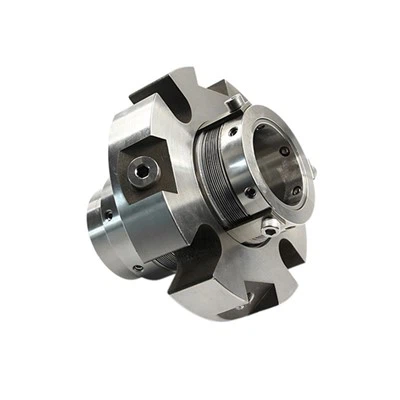
Chemical seals play a crucial role in various industrial applications, ensuring the containment of fluids and preventing leaks in systems that handle chemicals, gases, and other substances. As a leading supplier of chemical seals, we often receive inquiries about the maximum pressure that these seals can withstand. In this blog post, we will explore this topic in detail, discussing the factors that influence pressure resistance, the types of chemical seals available, and how to select the right seal for your specific application.
Factors Affecting the Maximum Pressure of Chemical Seals
The maximum pressure that a chemical seal can withstand is determined by several key factors, each of which must be carefully considered when selecting a seal for a particular application. These factors include:
Material Selection
The material used to manufacture the chemical seal is one of the most important factors affecting its pressure resistance. Different materials have different mechanical properties, such as strength, hardness, and elasticity, which can impact their ability to withstand high pressures. For example, seals made from materials like stainless steel, carbon steel, and titanium are known for their high strength and durability, making them suitable for applications that require high pressure resistance. On the other hand, seals made from elastomers, such as rubber and silicone, are more flexible and can provide a better seal in applications where there is some degree of movement or vibration. However, elastomers generally have lower pressure resistance compared to metals and may not be suitable for high-pressure applications.
Seal Design
The design of the chemical seal also plays a significant role in determining its pressure resistance. Seals can be designed in various configurations, such as single seals, double seals, and multi-stage seals, each of which has its own advantages and limitations in terms of pressure handling capabilities. For example, double seals are often used in applications where a higher level of leakage prevention is required, as they provide an additional barrier against fluid leakage. Multi-stage seals, on the other hand, are designed to handle extremely high pressures by dividing the pressure across multiple sealing elements.
Operating Conditions
The operating conditions of the system in which the chemical seal is installed can also have a significant impact on its pressure resistance. Factors such as temperature, chemical compatibility, and the presence of abrasive particles or contaminants can all affect the performance and durability of the seal. For example, high temperatures can cause the material of the seal to expand and lose its elasticity, reducing its ability to maintain a tight seal under pressure. Similarly, exposure to harsh chemicals can cause the seal material to degrade or corrode, leading to premature failure.
Types of Chemical Seals and Their Pressure Ratings
There are several types of chemical seals available on the market, each designed to meet the specific requirements of different applications. Here are some of the most common types of chemical seals and their typical pressure ratings:
Mechanical Seals
Mechanical seals are one of the most widely used types of chemical seals in industrial applications. They consist of two flat surfaces that are held together under pressure to create a seal. Mechanical seals can be designed to handle a wide range of pressures, from low-pressure applications to high-pressure applications. The maximum pressure that a mechanical seal can withstand depends on factors such as the material of the seal faces, the design of the seal, and the operating conditions. For example, MOR SEV High Speed Mechanical Seal for Waste Water Pump is designed to handle high pressures and high speeds, making it suitable for use in wastewater pumps and other demanding applications.
Gasket Seals
Gasket seals are another common type of chemical seal. They are typically made from a soft, compressible material, such as rubber or graphite, and are used to seal the joint between two surfaces. Gasket seals can be used in a variety of applications, from low-pressure systems to high-pressure systems. The maximum pressure that a gasket seal can withstand depends on factors such as the material of the gasket, the thickness of the gasket, and the surface finish of the mating surfaces.
O-Ring Seals
O-ring seals are circular seals that are commonly used in hydraulic and pneumatic systems. They are made from an elastomeric material, such as rubber or silicone, and are designed to fit into a groove or a gland. O-ring seals can provide a reliable seal in applications where the pressure is relatively low to moderate. The maximum pressure that an O-ring seal can withstand depends on factors such as the material of the O-ring, the cross-sectional diameter of the O-ring, and the design of the gland.
Bellows Seals
Bellows seals are used in applications where there is a need for a flexible seal that can accommodate movement or vibration. They consist of a metal or elastomeric bellows that is attached to a stationary and a rotating component. Bellows seals can handle a wide range of pressures, depending on the material of the bellows and the design of the seal. For example, Replacement for Type 8 Oil and Gas Rubber Bellow Seal is designed to provide a reliable seal in oil and gas applications, where high pressures and harsh chemicals are common.
Selecting the Right Chemical Seal for High-Pressure Applications
When selecting a chemical seal for a high-pressure application, it is important to consider the specific requirements of the application, including the maximum pressure, temperature, chemical compatibility, and the type of fluid being sealed. Here are some steps to help you select the right chemical seal:
Determine the Maximum Pressure
The first step in selecting a chemical seal is to determine the maximum pressure that the seal will need to withstand. This can be done by consulting the system specifications or by conducting pressure tests. Once you have determined the maximum pressure, you can select a seal that is rated for that pressure.


Consider the Temperature
The temperature of the system can also have a significant impact on the performance of the chemical seal. High temperatures can cause the material of the seal to expand and lose its elasticity, reducing its ability to maintain a tight seal under pressure. Similarly, low temperatures can cause the seal material to become brittle and crack. Therefore, it is important to select a seal that is designed to operate within the temperature range of the application.
Evaluate the Chemical Compatibility
The chemical compatibility of the seal material with the fluid being sealed is another important consideration. Exposure to harsh chemicals can cause the seal material to degrade or corrode, leading to premature failure. Therefore, it is important to select a seal material that is resistant to the chemicals in the application.
Choose the Right Seal Type
Based on the maximum pressure, temperature, and chemical compatibility requirements, you can choose the right type of chemical seal for your application. Consider factors such as the seal design, the material of the seal, and the ease of installation and maintenance. For high-temperature applications, you might consider the MOR 2 high temperature mechanical seal, which is specifically designed to withstand extreme temperatures.
Conclusion
The maximum pressure that a chemical seal can withstand depends on a variety of factors, including the material selection, seal design, and operating conditions. As a chemical seal supplier, we understand the importance of providing high-quality seals that can meet the specific requirements of each application. By carefully considering the factors discussed in this blog post and selecting the right seal for your application, you can ensure the reliable and efficient operation of your system.
If you are in need of chemical seals for your industrial applications, we encourage you to contact us to discuss your specific requirements. Our team of experts is available to provide you with detailed information and guidance on selecting the right seals for your needs. We look forward to the opportunity to work with you and to provide you with the best possible solutions for your sealing requirements.
References
- ASME Boiler and Pressure Vessel Code
- API 682: Pumps - Shaft Sealing Systems for Centrifugal and Rotary Pumps
- ISO 3069: Petroleum and related products - Determination of the viscosity-temperature relationship - Viscosity index method