


What materials are used to make dry gas seals?
As a dry gas seal supplier, I am often asked about the materials used to make these crucial components. Dry gas seals play a vital role in preventing the leakage of process gases in various industrial applications, such as compressors and pumps. The choice of materials for dry gas seals is critical as it directly impacts the seal's performance, durability, and reliability. In this blog post, I will delve into the different materials commonly used in the manufacturing of dry gas seals and their specific properties.
Carbon Graphite
Carbon graphite is one of the most widely used materials for dry gas seal faces. It is a composite material consisting of graphite particles embedded in a carbon matrix. Carbon graphite offers excellent self - lubricating properties, which is essential for the non - contacting operation of dry gas seals. This self - lubrication reduces friction and wear between the seal faces, even under high - speed and high - temperature conditions.
The high thermal conductivity of carbon graphite helps in dissipating the heat generated during the operation of the seal, preventing thermal damage. Additionally, carbon graphite is resistant to corrosion and chemical attack, making it suitable for use in a wide range of process gases, including those with corrosive or aggressive chemical compositions.
Carbon graphite also has good mechanical strength and can withstand the pressure differentials across the seal. It can be engineered to have specific properties based on the application requirements, such as different hardness levels and porosities. Many of our dry gas seals, like the R2GD Compressor Double Cartridge Dry Gas Seal, utilize high - quality carbon graphite for reliable and long - lasting performance.
Silicon Carbide
Silicon carbide is another popular material for dry gas seal faces. It is a very hard and wear - resistant material, with a hardness second only to diamond. This high hardness makes silicon carbide ideal for applications where there are high levels of particulate contamination in the process gas. The particles are less likely to cause abrasion on the silicon carbide seal faces, ensuring a longer service life.
Silicon carbide has excellent chemical resistance, which allows it to be used in harsh chemical environments. It can withstand exposure to acids, alkalis, and other corrosive substances without significant degradation. Moreover, it has a low coefficient of thermal expansion, which means that it maintains its dimensional stability over a wide range of temperatures.
The high thermal conductivity of silicon carbide also contributes to its suitability for high - temperature applications. It can effectively transfer heat away from the seal faces, reducing the risk of thermal distortion and damage. Our MOR CDTD Compressor Dry Gas Seal Components often incorporate silicon carbide seal faces for enhanced performance in demanding industrial settings.
Metal Alloys
Metal alloys are used in various parts of dry gas seals, such as the seal housing, springs, and backup rings. Stainless steel is a commonly used metal alloy due to its good corrosion resistance and mechanical strength. It can maintain its integrity in the presence of moisture, oxygen, and many chemical substances, which is important for protecting the internal components of the seal.
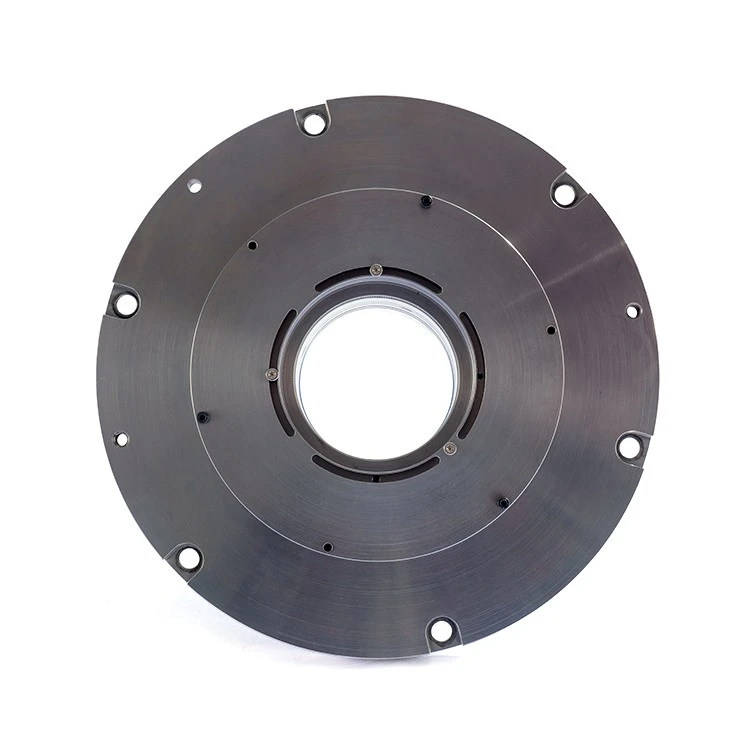

In addition to stainless steel, other metal alloys like nickel - based alloys may be used in more extreme applications. Nickel - based alloys offer high strength and excellent corrosion resistance at elevated temperatures. They are often used in environments where the process gas is at high pressure and temperature, such as in some petrochemical and power generation applications.
The springs in dry gas seals are typically made of metal alloys with specific elastic properties. These springs are responsible for applying the appropriate amount of force to keep the seal faces in contact during startup and shutdown, and to maintain the correct operating clearance during normal operation.
Polymers
Polymers are used in dry gas seals for their sealing and cushioning properties. PTFE (Polytetrafluoroethylene) is a well - known polymer used in seals. It has a very low coefficient of friction, which is beneficial for reducing the power consumption of the seal. PTFE is also highly resistant to chemicals, making it suitable for use in sealing aggressive process gases.
Other polymers, such as elastomers, are used as O - rings and gaskets in dry gas seals. Elastomers provide a flexible and reliable seal between different components of the seal assembly, preventing the leakage of gas. They can conform to irregular surfaces and maintain a tight seal under different operating conditions.
Ceramic Materials
Ceramic materials are sometimes used in dry gas seals, especially in applications requiring extremely high wear resistance and corrosion resistance. Ceramics have excellent hardness and can withstand abrasive particles in the process gas better than many other materials. They also have good chemical stability and can resist attack from a wide range of chemicals.
However, ceramics are brittle, and proper design and installation are required to prevent cracking and breakage. In some cases, ceramic inserts may be used in combination with other materials to take advantage of their unique properties while minimizing the risk of damage.
Selection of Materials for Specific Applications
The selection of materials for dry gas seals depends on several factors, including the type of process gas, operating temperature, pressure, speed, and the presence of contaminants. For example, in applications where the process gas is clean and non - corrosive, carbon graphite seal faces may be a cost - effective and reliable choice. On the other hand, if the gas contains abrasive particles or is highly corrosive, silicon carbide or ceramic materials may be more appropriate.
In high - temperature and high - pressure applications, metal alloys with high - temperature strength and corrosion resistance are used for the housing and critical components. Meanwhile, polymers are carefully selected based on their compatibility with the process gas and the required sealing performance.
At our company, we have a team of experts who can assist in selecting the most suitable materials for your dry gas seal applications. We understand that each customer's needs are unique, and we strive to provide customized solutions that meet the highest standards of performance and reliability.
If you are in the market for dry gas seals and want to discuss your specific requirements, we invite you to reach out to us. Whether you need a R2GD Compressor Double Cartridge Dry Gas Seal, MOR CDTD Compressor Dry Gas Seal Components, or a 1G21 API Dry Gas Seal Non Contact Balance Balance Gas Lubrication Single Pump Mechanical Seal, we are here to help. Contact us today to start a conversation about your dry gas seal needs and explore how our products can enhance the efficiency and safety of your industrial processes.
References
- "Handbook of Seal Technology", edited by John H. Birk, provides in - depth knowledge about the materials and design of various types of seals, including dry gas seals.
- "Industrial Seals and Their Application" by A.W. Lebeck offers practical insights into the selection and use of seals in different industrial settings.


