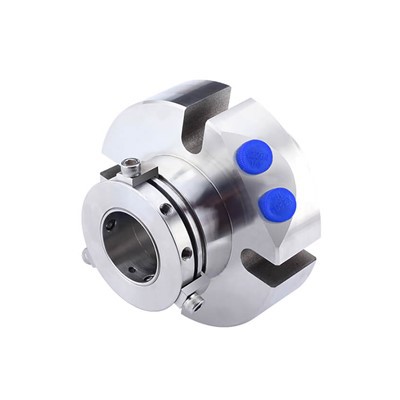
As a single seal supplier, I've witnessed firsthand the critical role that single seals play in various industrial applications. The sealing performance of a single seal is a topic that combines both science and practicality, and it's essential to understand its nuances to ensure optimal operation in different settings.
Understanding the Basics of Single Seals
A single seal, as the name suggests, consists of a single sealing interface designed to prevent the leakage of fluids or gases between two components. It is a fundamental yet highly effective solution used in a wide range of industries, including chemical processing, oil and gas, water treatment, and manufacturing.
The primary function of a single seal is to create a barrier that stops the flow of the process fluid from escaping the system. This is achieved through a combination of mechanical and material properties. The seal faces, which are typically made of hard materials such as silicon carbide, tungsten carbide, or ceramic, are held in close contact by a spring or other means of mechanical force. The contact between these faces creates a tight seal that minimizes leakage.
Factors Affecting Sealing Performance
Several factors can influence the sealing performance of a single seal. Understanding these factors is crucial for selecting the right seal for a specific application and ensuring its long - term reliability.
Fluid Properties
The properties of the fluid being sealed have a significant impact on the seal's performance. Viscosity, temperature, pressure, and chemical composition are some of the key factors to consider. For example, high - viscosity fluids may require a different type of seal face material or a higher spring force to maintain a proper seal. Similarly, corrosive fluids demand seal materials that are resistant to chemical attack.
Operating Conditions
Operating conditions such as temperature, pressure, and shaft speed also play a vital role. Extreme temperatures can cause the seal materials to expand or contract, affecting the seal's integrity. High pressures can increase the risk of leakage, especially if the seal is not designed to handle such conditions. Shaft speed can generate heat and wear on the seal faces, reducing the seal's lifespan.
Installation and Maintenance
Proper installation and maintenance are essential for achieving optimal sealing performance. Incorrect installation can lead to misalignment, uneven pressure distribution, and premature wear. Regular maintenance, including inspection, cleaning, and replacement of worn parts, can help extend the life of the seal and prevent costly downtime.


Measuring Sealing Performance
There are several ways to measure the sealing performance of a single seal. The most common method is to measure the leakage rate. A low leakage rate indicates a good seal, while a high leakage rate may suggest a problem with the seal or its installation.
Another important metric is the seal's durability. This can be measured by the length of time the seal can operate without failure or the number of cycles it can withstand. A durable seal is less likely to require frequent replacement, which can save time and money in the long run.
Our Single Seal Products and Their Sealing Performance
At our company, we offer a wide range of single seals, each designed to meet specific application requirements. Let's take a look at some of our popular products and their sealing performance.
MOR MG13 Rubber Bellow Mechanical Seal
The MOR MG13 Rubber Bellow Mechanical Seal is a high - performance seal suitable for a variety of applications. Its rubber bellow design provides excellent flexibility and compensation for shaft misalignment and axial movement. The seal faces are made of high - quality materials, ensuring a low leakage rate and long service life. This seal is particularly effective in applications where the fluid contains small amounts of solids or where the operating conditions are relatively mild.
MOR 105 Chemical Mechanical Seal for Caustic Pump
The MOR 105 Chemical Mechanical Seal for Caustic Pump is specifically designed for use in caustic pumps. It is made of materials that are highly resistant to chemical attack, such as special alloys and elastomers. This seal can withstand the harsh chemical environment of caustic solutions, providing a reliable and leak - free operation. Its advanced design also ensures good heat dissipation, reducing the risk of thermal damage to the seal.
HJ92N Mechanical Seal Replacement for Pump
The HJ92N Mechanical Seal Replacement for Pump is a cost - effective solution for pump applications. It is designed to be a direct replacement for many existing seals, making it easy to install. The seal offers good sealing performance under normal operating conditions, with a low leakage rate and high durability. It is suitable for a wide range of fluids, including water, oil, and some chemicals.
Improving Sealing Performance
To improve the sealing performance of single seals, several strategies can be employed.
Material Selection
Choosing the right materials for the seal faces, elastomers, and other components is crucial. Consider the fluid properties, operating conditions, and chemical compatibility when selecting materials. Advanced materials such as diamond - like carbon (DLC) coatings can also be used to improve the wear resistance and reduce the friction of the seal faces.
Design Optimization
Optimizing the seal design can enhance its sealing performance. This may include improving the geometry of the seal faces, increasing the spring force, or adding features such as hydrodynamic grooves. Computational fluid dynamics (CFD) and finite element analysis (FEA) can be used to simulate the seal's performance and identify areas for improvement.
Monitoring and Maintenance
Regular monitoring of the seal's performance is essential for early detection of problems. This can be done through techniques such as vibration analysis, temperature monitoring, and leakage detection. By performing preventive maintenance and replacing worn parts in a timely manner, the sealing performance can be maintained at a high level.
Conclusion
The sealing performance of a single seal is a complex yet crucial aspect of industrial operations. By understanding the factors that affect sealing performance, measuring it accurately, and taking appropriate steps to improve it, we can ensure the reliable and efficient operation of various systems.
At our company, we are committed to providing high - quality single seals with excellent sealing performance. Our range of products, including the MOR MG13 Rubber Bellow Mechanical Seal, MOR 105 Chemical Mechanical Seal for Caustic Pump, and HJ92N Mechanical Seal Replacement for Pump, are designed to meet the diverse needs of our customers.
If you are in the market for single seals and want to discuss your specific requirements, we invite you to contact us for a procurement consultation. Our team of experts is ready to assist you in selecting the right seal for your application and ensuring its optimal performance.
References
- "Mechanical Seals Handbook" by John A. S. Pearson
- "Sealing Technology" by Robert A. Flitney
- Industry standards and guidelines related to mechanical seals