


Hey there! I'm a supplier of seals spare parts, and today I wanna chat about a question that often pops up: Do seals spare parts need to be lubricated?
First off, let's understand what seals spare parts are for. Seals are like the guardians in a machine. They stop fluids or gases from leaking out and keep contaminants from getting in. Whether it's in a car engine, an industrial pump, or a household appliance, seals play a crucial role. Now, lubrication is a bit like giving these guardians a helping hand.

The Pros of Lubricating Seals Spare Parts
Lubrication can bring a bunch of benefits to seals. One of the main advantages is reducing friction. When two surfaces rub against each other, friction is generated. This friction can cause wear and tear on the seals, shortening their lifespan. By adding a proper lubricant, we can create a thin film between the moving parts. This film acts as a buffer, reducing the direct contact and thus minimizing friction. For example, in a rotating shaft seal, the lubricant helps the seal glide smoothly around the shaft, preventing excessive heat build - up and abrasion.
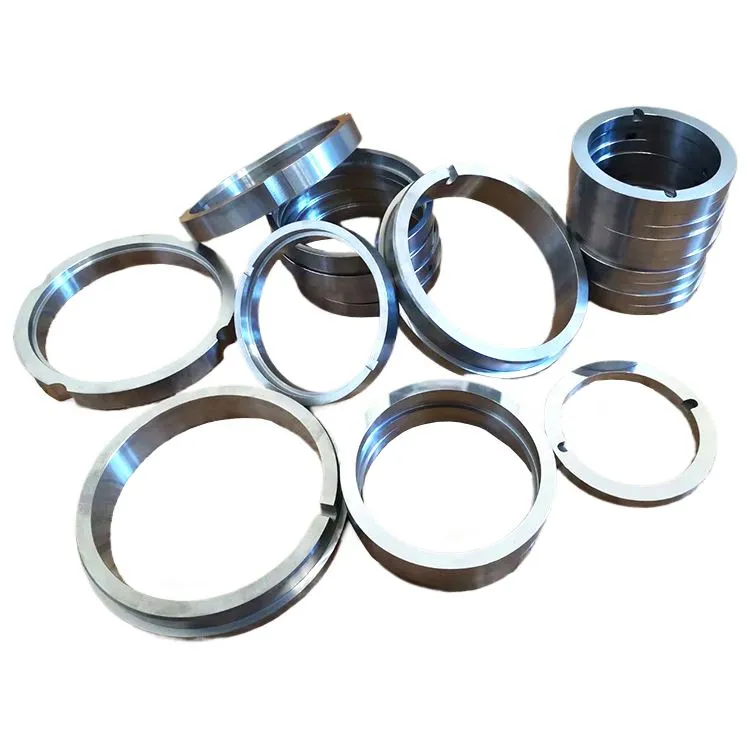
Another benefit is preventing corrosion. Many seals are made of materials that can be susceptible to corrosion when exposed to moisture, chemicals, or other harsh environments. Lubricants often contain additives that can form a protective layer on the surface of the seals. This layer acts as a barrier, keeping corrosive substances away from the seal material. Take the MOR SIC SSIC Seal Rings for instance. These high - performance seal rings can perform even better when lubricated, as the lubricant helps protect their surface from chemical attacks.
Lubrication also helps with sealing performance. A well - lubricated seal can conform better to the mating surfaces. It fills in the tiny gaps and irregularities, creating a more effective seal. This is especially important in applications where a tight seal is required, such as in hydraulic systems. The lubricant helps the seal adapt to the pressure changes and maintain its sealing integrity.
When Lubrication Might Not Be Necessary
However, there are situations where lubricating seals spare parts might not be a good idea. Some seals are designed to work in dry conditions. For example, certain types of lip seals are made from materials that have self - lubricating properties. These seals rely on the smoothness of their surface and the material's natural low - friction characteristics to function properly. Adding lubricant to these seals could actually cause problems. The lubricant might attract dirt and debris, which can get trapped between the seal and the mating surface, leading to increased wear and potential leakage.
In some high - temperature applications, lubricants can break down. When a lubricant breaks down, it can lose its lubricating properties and even form deposits on the seal. These deposits can harden and cause the seal to become brittle or lose its flexibility. So, if you're dealing with seals in a high - heat environment, you need to be very careful about using lubricants.
Choosing the Right Lubricant
If you've decided that lubricating your seals is the way to go, choosing the right lubricant is crucial. Different seal materials require different types of lubricants. For rubber seals, you need to use a lubricant that is compatible with rubber. Some lubricants can cause rubber to swell or degrade over time. Silicone - based lubricants are often a good choice for rubber seals because they are generally compatible with most rubber compounds and offer good lubricating and anti - corrosion properties.
For metal seals, such as the MOR Tungsten Carbide Seal Rings, a lubricant with high - temperature resistance and good anti - wear properties is essential. Mineral - based or synthetic lubricants with additives like molybdenum disulfide can provide excellent protection for metal seals in demanding applications.
Application of Lubricant
Once you've chosen the right lubricant, applying it correctly is also important. You don't want to over - lubricate or under - lubricate the seals. Over - lubrication can lead to excess lubricant leaking out, which can attract dirt and cause a mess. It can also increase the risk of seal failure if the lubricant interferes with the seal's movement.
When applying lubricant to seals, it's best to use a clean applicator, such as a brush or a syringe. Apply a thin, even layer of lubricant to the sealing surface. Make sure to cover all the areas that come into contact with the mating surface. For example, if you're lubricating a radial shaft seal, apply the lubricant to the lip of the seal and the area around it.
Case Studies
Let's look at a couple of real - world examples. In an automotive engine, the crankshaft seals are constantly exposed to high - speed rotation and engine oil. Lubricating these seals with a high - quality engine oil helps reduce friction and wear. The oil also provides a cooling effect, preventing the seals from overheating. As a result, the seals last longer, and the engine operates more smoothly.
On the other hand, in a food - processing machine, some seals are in contact with food products. Using the wrong lubricant in this case could contaminate the food. So, special food - grade lubricants are required. These lubricants are designed to be non - toxic and safe for use in food - contact applications.
Conclusion
So, do seals spare parts need to be lubricated? Well, it depends. There are clear benefits to lubricating seals in many cases, such as reducing friction, preventing corrosion, and improving sealing performance. But there are also situations where lubrication might not be necessary or could even cause problems. As a seals spare parts supplier, I always recommend understanding the specific requirements of your application and the properties of the seal materials before deciding whether to lubricate and which lubricant to use.
If you're still not sure about whether your seals need lubrication or which lubricant is right for your seals, don't hesitate to reach out. We have a team of experts who can help you make the right decision. Whether you're looking for MOR Bearing Isolater, MOR SIC SSIC Seal Rings, or MOR Tungsten Carbide Seal Rings, we can provide you with the best solutions for your sealing needs. Contact us for more information and let's discuss your procurement requirements.
References
- "Sealing Technology Handbook" by John H. Bickford
- "Lubrication Fundamentals" by Bernard J. Hamrock


