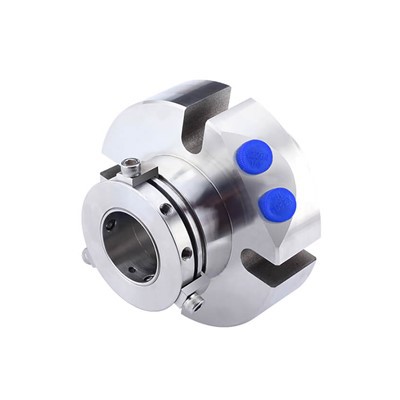
In the realm of industrial machinery, high - speed applications present a unique set of challenges, especially when it comes to sealing solutions. As a double mechanical seal supplier, I've witnessed firsthand the critical role that these seals play in ensuring the smooth and efficient operation of high - speed equipment. In this blog, we'll explore how double mechanical seals perform in high - speed applications, delving into their design, functionality, and the benefits they offer.
Understanding Double Mechanical Seals
Double mechanical seals are a type of sealing device that consists of two sets of sealing faces. These seals are designed to provide an extra layer of protection against leakage, which is especially crucial in high - speed applications where the risk of fluid loss can have significant consequences. The two sets of sealing faces work in tandem, with a barrier fluid between them. This barrier fluid serves multiple purposes, including lubrication, cooling, and preventing the ingress of contaminants.
Design Considerations for High - Speed Applications
When it comes to high - speed applications, the design of double mechanical seals must be carefully tailored to meet the specific requirements of the equipment. One of the key design considerations is the selection of materials. The sealing faces need to be made from materials that can withstand the high speeds and pressures encountered in these applications. Common materials used for sealing faces include carbon, silicon carbide, and tungsten carbide. These materials offer excellent wear resistance and can maintain their integrity even under extreme conditions.
Another important design aspect is the geometry of the sealing faces. In high - speed applications, the sealing faces need to be carefully machined to ensure a proper fit and alignment. Any misalignment can lead to increased friction, premature wear, and ultimately, seal failure. The use of advanced manufacturing techniques, such as precision grinding and lapping, can help to achieve the required level of accuracy.
Performance in High - Speed Applications
The performance of double mechanical seals in high - speed applications is influenced by several factors. One of the most significant factors is the speed of the equipment. As the speed increases, the centrifugal forces acting on the seal also increase, which can lead to increased wear and tear on the sealing faces. To counteract this, double mechanical seals are designed with features such as hydrodynamic grooves and pressure - balancing mechanisms. These features help to reduce the friction and heat generated during operation, thereby extending the life of the seal.
Another factor that affects the performance of double mechanical seals in high - speed applications is the temperature. High - speed equipment can generate a significant amount of heat, which can cause the seal materials to expand and contract. This can lead to changes in the seal clearance and ultimately, seal failure. To address this issue, double mechanical seals are often equipped with cooling systems, such as water jackets or air - cooled fins. These cooling systems help to maintain the temperature of the seal within a safe operating range.
Benefits of Double Mechanical Seals in High - Speed Applications
There are several benefits to using double mechanical seals in high - speed applications. One of the primary benefits is improved reliability. The extra layer of protection provided by the double seal design helps to prevent leakage, which can reduce the risk of equipment damage and downtime. This is especially important in high - speed applications where even a small leak can have a significant impact on the performance of the equipment.
Another benefit is enhanced safety. Double mechanical seals are designed to contain the fluid within the equipment, which helps to prevent the release of hazardous materials into the environment. This is particularly important in industries where the use of toxic or flammable fluids is common.
In addition, double mechanical seals can offer improved efficiency. By reducing the amount of leakage, these seals can help to conserve energy and reduce operating costs. This is especially important in high - speed applications where the energy consumption of the equipment can be significant.
Our Product Offerings
As a double mechanical seal supplier, we offer a wide range of products that are specifically designed for high - speed applications. One of our popular products is the Equivalent To CB8 Cartridge Type Mechanical Seal. This cartridge - type seal is easy to install and offers excellent performance in high - speed applications. It is designed with a balanced seal face design, which helps to reduce the friction and heat generated during operation.
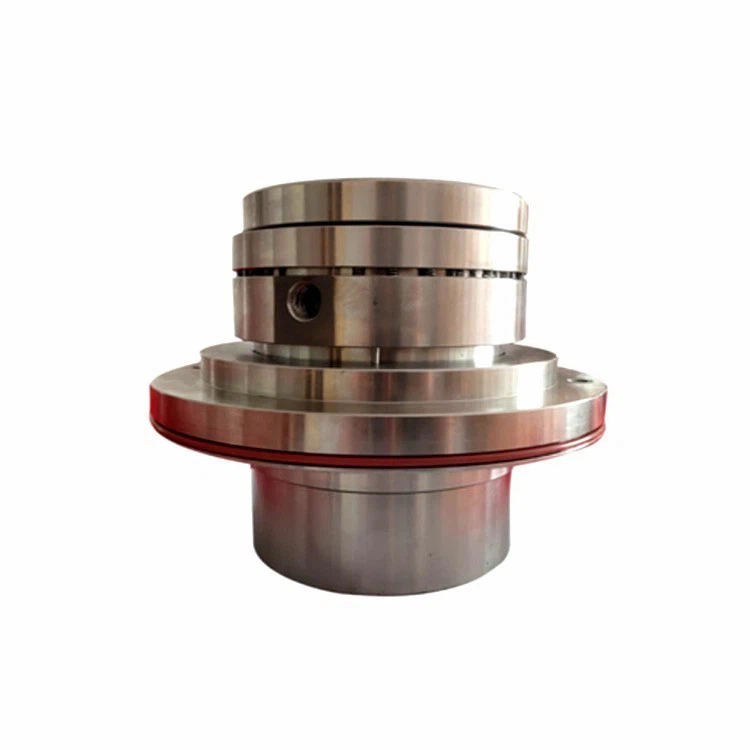
Another product in our portfolio is the MOR CDPN Dual Pressurized Mechanical Seal. This dual - pressurized seal is suitable for high - pressure and high - speed applications. It features a robust design and is made from high - quality materials, ensuring long - term reliability and performance.
We also offer the MOR JCS1A seals for centrifugal pumps. These seals are specifically designed for use in centrifugal pumps, which are commonly used in high - speed applications. They offer excellent sealing performance and are easy to maintain.
Conclusion
In conclusion, double mechanical seals play a crucial role in high - speed applications. Their design and functionality are carefully tailored to meet the specific requirements of these applications, offering improved reliability, safety, and efficiency. As a double mechanical seal supplier, we are committed to providing our customers with high - quality products that meet their needs. If you are in the market for double mechanical seals for high - speed applications, we invite you to contact us to discuss your requirements and explore our product offerings. We look forward to working with you to find the best sealing solution for your equipment.

References
- "Mechanical Seals: Principles and Applications" by R. G. Stachowiak and A. W. Batchelor
- "Sealing Technology Handbook" by John H. Birkholz