


Hey there, fellow pulp and paper mill enthusiasts! I'm here today as a double mechanical seal supplier to chat about how these nifty devices work in pulp and paper mills. Double mechanical seals are super important in this industry, making sure that everything runs smoothly and safely.
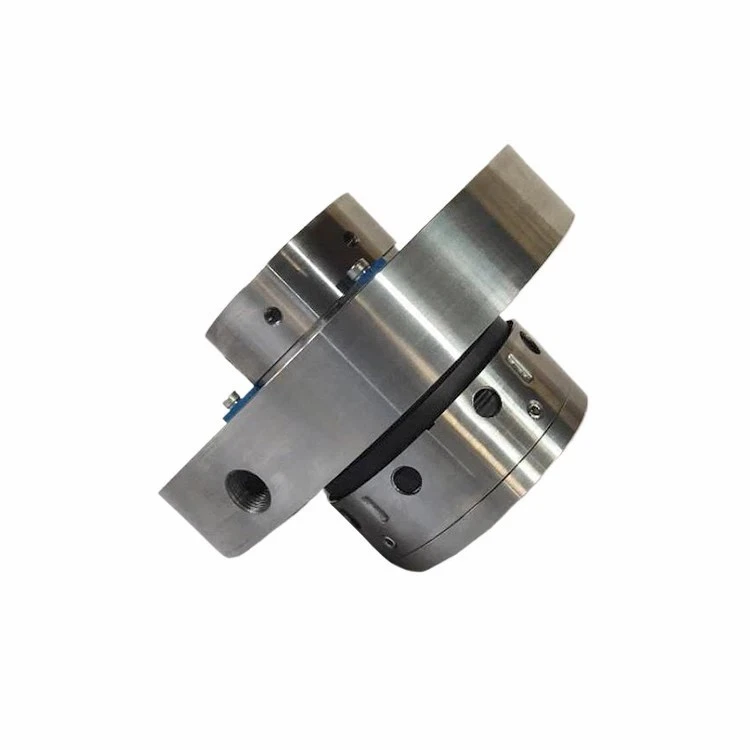
Let's start with the basics. What's a double mechanical seal? Well, it's a type of seal that's used to stop fluids from leaking out of pumps, mixers, and other equipment. Unlike single seals, double mechanical seals have an extra layer of protection. They consist of two sets of seal faces that work together to prevent leakage.
In a pulp and paper mill, there are all sorts of aggressive chemicals and high - pressure conditions. The double mechanical seal plays a crucial role in handling these tough environments. Most of the time, it's installed in a pump that's moving pulp, water, or chemicals around the mill.
The way a double mechanical seal works is kind of like a well - choreographed dance. There are two main parts: the primary seal and the secondary seal. The primary seal is the first line of defense. It's in direct contact with the fluid that's being pumped. When the equipment starts running, the primary seal faces come together and create a barrier. The friction between these faces is carefully controlled so that they can seal the fluid inside while still allowing the equipment to rotate.
The secondary seal acts as a backup. If something goes wrong with the primary seal, like a sudden spike in pressure or a small piece of debris getting in, the secondary seal kicks in. It stops the fluid from leaking out completely, giving you time to fix the primary seal or replace it if necessary.
Now, let's talk about the support system of a double mechanical seal. Usually, a double mechanical seal needs a buffer fluid. This buffer fluid is circulated between the primary and secondary seals. It serves multiple purposes. First, it helps to lubricate the seal faces. Without proper lubrication, the seal faces would wear out quickly due to the friction. Second, it cools the seals. In a pulp and paper mill, the fluid being pumped can be quite hot, and the friction from the seal faces also generates heat. The buffer fluid helps to dissipate this heat and keep the seals at a safe operating temperature.
There are different configurations of double mechanical seals. One common type is the tandem double mechanical seal. In a tandem configuration, the two seals are arranged one after the other in a series. The primary seal takes on most of the sealing load, and the secondary seal provides an extra layer of protection. Another type is the back - to - back double mechanical seal. Here, the seal faces are arranged in a way that they face each other. This configuration is great for handling high - pressure applications because it can better withstand the forces exerted by the fluid.
In a pulp and paper mill, the choice of double mechanical seal also depends on the specific application. For example, in a pulp washer, you need a seal that can handle the fibrous nature of the pulp without getting clogged. Our MOR SE2 - AP double cartridge mechanical seal is a great option for this kind of situation. It's designed with special features to prevent fiber entanglement and ensure long - term reliable operation.
Then, for reactors in the mill, where there might be complex chemical reactions taking place, you need a seal that can handle different chemicals and pressures. The MOR 8B1D reactor double mechanical seal is specifically engineered for these demanding reactor applications. It has excellent chemical resistance and can maintain a tight seal even under fluctuating conditions.
If you're dealing with high - flow pumps in the mill, the MOR 122 Double Cartridge Mechanical Seal might be the right choice. It's built to handle large volumes of fluid and can operate efficiently with high - speed rotation.
Regular maintenance is key to keeping double mechanical seals in good condition. You should always check the buffer fluid level and quality. If the buffer fluid gets contaminated, it can damage the seal faces. Also, inspect the seal faces for signs of wear and tear. A small amount of wear is normal, but if it gets too bad, the seal won't work properly. You may need to replace seals or parts at the right time to avoid major leaks and breakdowns.
Now, let's talk about why choosing the right double mechanical seal is so important in a pulp and paper mill. Leakage can be a huge problem. It not only wastes valuable fluids like pulp and chemicals but also poses a safety risk. Chemical leaks can be dangerous to the workers in the mill, and pulp leaks can create a messy and unhygienic working environment. A good double mechanical seal can prevent these issues, saving you money on fluid replacement and reducing the risk of accidents.
In addition, a reliable double mechanical seal can improve the overall efficiency of your equipment. When there's no leakage, the pumps and mixers can operate at their optimal performance. This means less energy consumption and lower operating costs in the long run.
If you're in the pulp and paper mill business and are looking for high - quality double mechanical seals, we've got you covered. Our seals are designed and manufactured with the latest technology to ensure the best performance in your tough mill environment. Whether you need a seal for a small pump or a large - scale reactor, we have the right product for you.
So, if you're interested in learning more about our double mechanical seals or want to discuss your specific requirements, feel free to reach out. We're always happy to have a chat and help you find the perfect seal solution for your pulp and paper mill.

References
- Mechanical Seals Handbook: A Guide to Design, Installation, and Maintenance
- Pulp and Paper Mill Equipment Manual


