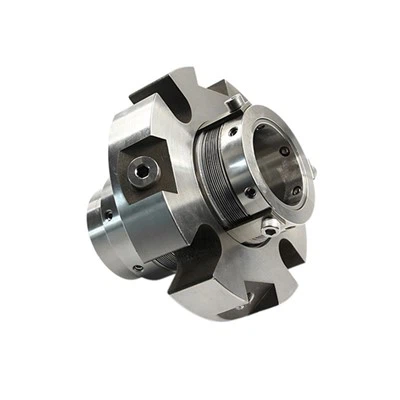
Recycling a balanced seal is not only an environmentally friendly practice but also a cost - effective strategy for many industries. As a balanced seal supplier, I've seen firsthand the importance of proper recycling methods. In this blog, I'll share some tips on how to recycle a balanced seal effectively.
Why Recycle Balanced Seals?
Before diving into the recycling process, let's understand why it's crucial. Balanced seals are used in various applications, from industrial pumps to mixers. They often contain valuable materials like stainless steel, carbon, and ceramic. Recycling these seals helps conserve natural resources and reduces the need for new raw materials. Moreover, it can save your company money on waste disposal and potentially lower the cost of purchasing new seals in the long run.
Step 1: Inspection and Assessment
The first step in recycling a balanced seal is to conduct a thorough inspection. Check for any visible signs of damage, such as cracks, wear, or corrosion. If the seal is severely damaged, it might not be suitable for recycling and could pose a risk during the process. However, minor damage can sometimes be repaired, making the seal recyclable.
During the assessment, also identify the materials used in the seal. Different materials require different recycling processes. For example, stainless steel can be melted down and reused, while carbon and ceramic components might need specialized treatment.
Step 2: Cleaning
Once the seal has been inspected, it's time to clean it. Remove any dirt, debris, or contaminants from the surface of the seal. This can be done using a mild detergent and a soft brush. Make sure to rinse the seal thoroughly to remove all traces of the cleaning agent.
Cleaning is important because it ensures that the recycled materials are of high quality. Contaminants can affect the melting and re - processing of the materials, leading to lower - quality recycled products.
Step 3: Disassembly
After cleaning, disassemble the balanced seal into its individual components. This makes it easier to recycle each part separately. Use the appropriate tools, such as wrenches or screwdrivers, to carefully remove the different parts.
Be careful not to damage the components during disassembly. Some parts, like springs or O - rings, might be small and delicate. Keep all the parts organized in separate containers to avoid mixing them up.
Step 4: Recycling Different Components
Metal Components
Most balanced seals have metal parts, such as stainless steel or alloy housings. These metal components can be recycled by taking them to a metal recycling facility. The facility will melt the metal down and re - shape it into new products.
Before taking the metal components to the recycling facility, it's a good idea to separate different types of metals. This helps the recycling process run more smoothly and ensures that the recycled metals are of higher quality.
Carbon and Ceramic Components
Carbon and ceramic components in balanced seals are more challenging to recycle. However, there are specialized recycling companies that deal with these materials. These companies use advanced techniques to break down the carbon and ceramic components and reuse them in new products.
For example, carbon can be re - used in the production of new carbon - based materials, while ceramic can be used in the manufacturing of heat - resistant products. You can search online for recycling companies that handle carbon and ceramic recycling in your area.
Step 5: Re - use and Refurbishment
In some cases, instead of completely recycling the balanced seal, it might be possible to re - use or refurbish it. If the seal has only minor damage, it can be repaired and put back into service. This can save a significant amount of money compared to buying a new seal.


For example, if the seal face has minor wear, it can be resurfaced using a specialized machining process. O - rings and gaskets can be replaced, and springs can be tested and adjusted if necessary.
Our Product Offerings
As a balanced seal supplier, we offer a wide range of high - quality seals. For instance, we have seals Equivalent to LIGHTNIN Spring Seal MOR 523 Mixer Seal which are suitable for various mixer applications. These seals are designed to provide reliable performance and can be recycled using the methods described above.
We also have Equivalent To CB8 Cartridge Type Mechanical Seal. Cartridge - type seals are easy to install and maintain, and they can be recycled effectively when they reach the end of their service life.
Another great product in our portfolio is the MOR DWB1 DWB2 Low - Temperature Mechanical Seals. These seals are specifically designed for low - temperature applications and are made of high - quality materials that are suitable for recycling.
Conclusion
Recycling a balanced seal is a multi - step process that requires careful inspection, cleaning, disassembly, and proper recycling of different components. By following these steps, you can not only reduce your environmental impact but also save money on waste disposal and new seal purchases.
If you're interested in learning more about our balanced seals or have any questions about recycling, feel free to reach out. We're always happy to assist you with your seal needs and provide guidance on recycling practices. Contact us to start a discussion about your specific requirements and explore the best solutions for your industry.
References
- "Mechanical Seal Handbook" by John A. Adamson
- Industry reports on mechanical seal recycling and sustainability