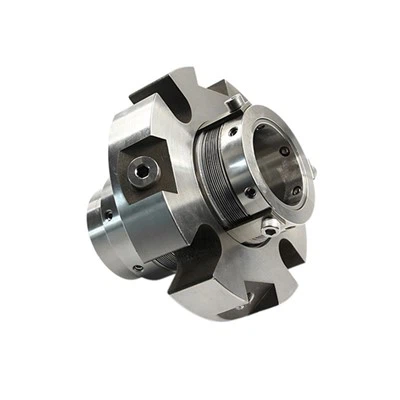
Friction in a mixer mechanical seal can significantly impact its performance, lifespan, and overall efficiency. As a trusted mixer mechanical seal supplier, we understand the challenges that high friction poses and are dedicated to providing solutions to reduce it. In this blog, we'll explore various strategies and techniques to minimize friction in mixer mechanical seals, ensuring optimal operation and longevity.
Understanding the Causes of Friction in Mixer Mechanical Seals
Before delving into solutions, it's crucial to understand the primary causes of friction in mixer mechanical seals. Friction typically occurs at the sealing interface between the rotating and stationary components of the seal. Several factors contribute to this friction:
- Surface Roughness: Irregularities on the sealing surfaces can increase friction as the two surfaces rub against each other.
- Lubrication: Insufficient lubrication between the sealing faces can lead to dry friction, causing excessive wear and heat generation.
- Pressure: High pressure within the mixer can force the sealing faces together, increasing the contact force and friction.
- Material Selection: The choice of materials for the sealing faces can significantly affect friction. Harder materials may offer better wear resistance but can also generate more friction.
Strategies to Reduce Friction
1. Optimize Surface Finish
One of the most effective ways to reduce friction is to improve the surface finish of the sealing faces. A smoother surface reduces the contact area between the rotating and stationary components, minimizing friction and wear. We recommend using precision machining techniques and advanced finishing processes to achieve a high-quality surface finish. By reducing surface roughness, we can significantly improve the sealing performance and extend the lifespan of the mechanical seal.
2. Use High-Quality Lubricants
Proper lubrication is essential for reducing friction in mixer mechanical seals. Lubricants create a thin film between the sealing faces, separating them and reducing direct contact. This film also helps to dissipate heat and prevent wear. When selecting a lubricant, it's important to consider the operating conditions of the mixer, including temperature, pressure, and the type of fluid being sealed. We offer a range of high-quality lubricants specifically designed for mixer mechanical seals, ensuring optimal performance and protection.
3. Select the Right Seal Materials
The choice of seal materials plays a crucial role in reducing friction. Different materials have different friction coefficients, wear resistance, and chemical compatibility. When selecting seal materials, it's important to consider the specific requirements of the application, including the type of fluid being sealed, the operating temperature and pressure, and the speed of the mixer. For example, carbon-graphite is a popular choice for sealing faces due to its low friction coefficient and excellent self-lubricating properties. Silicon carbide is another high-performance material that offers superior wear resistance and chemical compatibility.
4. Design for Optimal Seal Geometry
The design of the mechanical seal can also impact friction. By optimizing the seal geometry, we can reduce the contact force between the sealing faces and improve the distribution of pressure. This can be achieved through the use of advanced seal designs, such as balanced seals and hydrodynamic seals. Balanced seals are designed to equalize the pressure on both sides of the sealing faces, reducing the contact force and friction. Hydrodynamic seals use the fluid being sealed to create a dynamic pressure field, which helps to separate the sealing faces and reduce friction.


5. Implement Proper Installation and Maintenance Procedures
Proper installation and maintenance are essential for reducing friction in mixer mechanical seals. During installation, it's important to ensure that the seal is correctly aligned and installed according to the manufacturer's instructions. This includes proper torqueing of the bolts, correct positioning of the sealing faces, and adequate lubrication. Regular maintenance, including inspection, cleaning, and lubrication, can also help to prevent friction and extend the lifespan of the mechanical seal.
Our Product Recommendations
As a leading mixer mechanical seal supplier, we offer a wide range of high-quality products designed to reduce friction and improve performance. Here are some of our recommended products:
- MOR SE2-AP Mechanical Seal: This advanced mechanical seal features a balanced design and high-quality sealing materials, reducing friction and wear. It is suitable for a wide range of mixer applications, including chemical processing, food and beverage, and pharmaceutical industries.
- MOR HTM Mechanical Seal for Slurry Circulation Pump: Designed specifically for slurry circulation pumps, this mechanical seal offers excellent wear resistance and low friction. It is made from high-performance materials that can withstand the harsh conditions of slurry applications, ensuring reliable operation and long service life.
- MOR DWB1 DWB2 Low-Temperature Mechanical Seals: These low-temperature mechanical seals are designed for applications where the operating temperature is below freezing. They feature a special design and materials that can withstand low temperatures without losing their sealing performance. By reducing friction at low temperatures, these seals ensure reliable operation in cold environments.
Conclusion
Reducing friction in mixer mechanical seals is essential for improving performance, extending lifespan, and ensuring reliable operation. By optimizing surface finish, using high-quality lubricants, selecting the right seal materials, designing for optimal seal geometry, and implementing proper installation and maintenance procedures, we can effectively reduce friction and improve the efficiency of mixer mechanical seals. As a trusted mixer mechanical seal supplier, we are committed to providing our customers with high-quality products and solutions that meet their specific needs. If you have any questions or need further assistance, please don't hesitate to contact us. We look forward to working with you to reduce friction and improve the performance of your mixer mechanical seals.
References
- "Mechanical Seals: Principles and Applications" by John O. Harris
- "Handbook of Seal Technology" by E. R. Booser
- "Sealing Technology for Rotating Equipment" by A. S. Seireg