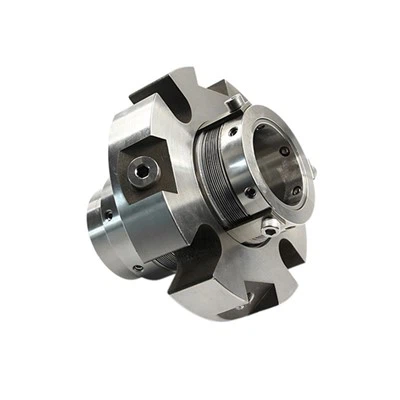
Hey there! As a PTFE bellow seal supplier, I've seen my fair share of problems with these seals. PTFE bellow seals are super useful in lots of industries, but like any other mechanical part, they can run into issues. In this blog, I'm gonna share some tips on how to troubleshoot PTFE bellow seal problems.
Understanding PTFE Bellow Seals
First off, let's quickly go over what PTFE bellow seals are. PTFE, or polytetrafluoroethylene, is a synthetic fluoropolymer. Bellow seals made from PTFE are known for their excellent chemical resistance, high temperature tolerance, and flexibility. They're commonly used in pumps, mixers, and other equipment where sealing is crucial to prevent leakage of fluids.
Common Problems and How to Fix Them
1. Leakage
Leakage is probably the most common problem you'll encounter with PTFE bellow seals. There can be several reasons for this:
- Improper Installation: If the seal isn't installed correctly, it won't form a proper seal. Make sure to follow the manufacturer's installation instructions carefully. Check that the seal is centered and properly seated in the gland. Sometimes, a simple re - installation can fix the leakage issue.
- Worn Sealing Surfaces: Over time, the sealing surfaces of the PTFE bellow seal can wear out. This can be due to abrasive particles in the fluid, high pressure, or excessive temperature. If you suspect worn sealing surfaces, inspect the seal closely. If the wear is minor, you might be able to clean and re - polish the surfaces. However, if the wear is significant, you'll need to replace the seal. You can check out our MOR 2 High Temperature Mechanical Seal which is designed to handle high - stress conditions and reduce the risk of wear.
- Incompatible Fluids: PTFE is resistant to many chemicals, but there are still some fluids that can damage it. If the fluid being sealed is incompatible with the PTFE material, it can cause swelling, cracking, or degradation of the seal. Check the chemical compatibility chart provided by the seal manufacturer. If you find that the fluid is incompatible, you'll need to choose a different type of seal or find a way to treat the fluid to make it compatible.
2. Bellow Failure
The bellow part of the seal is crucial for its flexibility and ability to adapt to different operating conditions. Bellow failure can occur due to:
- Fatigue: Constant flexing of the bellow can lead to fatigue over time. This is especially true in applications where there are frequent pressure changes or vibrations. To prevent fatigue failure, try to reduce the frequency of pressure fluctuations and vibrations in the system. You can also consider using a seal with a thicker or more robust bellow design. Our MOR HJ92N Mechanical Seal has a well - designed bellow that can withstand a good amount of flexing.
- Corrosion: Although PTFE is corrosion - resistant, the metal components of the bellow seal can corrode. This can happen if the environment is highly corrosive or if there are contaminants in the fluid. Inspect the metal parts regularly for signs of corrosion. If corrosion is detected, clean the parts and apply a corrosion - resistant coating. In severe cases, you may need to replace the metal components or the entire seal.
3. Overheating
Overheating can cause the PTFE material to lose its properties and lead to seal failure. Here are some reasons for overheating:


- Lack of Lubrication: Proper lubrication is essential to reduce friction and heat generation. If the fluid being sealed doesn't provide enough lubrication, or if there's a problem with the lubrication system, the seal can overheat. Check the lubrication levels and the condition of the lubricant. If necessary, add more lubricant or replace it with a suitable type.
- High - Speed Operation: Running the equipment at very high speeds can generate a lot of heat. Make sure that the seal is rated for the speed of the equipment. If the speed is too high, you may need to reduce it or upgrade to a seal that can handle higher speeds.
Preventive Maintenance
Preventive maintenance is key to avoiding PTFE bellow seal problems. Here are some maintenance tips:
- Regular Inspections: Set up a regular inspection schedule to check the condition of the seals. Look for signs of wear, leakage, corrosion, or any other damage. Early detection of problems can save you a lot of time and money in the long run.
- Cleaning: Keep the seals and the surrounding area clean. Remove any dirt, debris, or contaminants that could damage the seal. Use a suitable cleaning agent that is compatible with the PTFE material.
- Record Keeping: Keep a record of the seal's installation date, operating conditions, and any maintenance or repairs performed. This can help you identify patterns and predict when a seal might need to be replaced.
When to Replace the Seal
Even with proper maintenance, PTFE bellow seals will eventually need to be replaced. Here are some signs that it's time for a replacement:
- Excessive Leakage: If you've tried all the troubleshooting steps and the leakage still persists, it's likely time to replace the seal.
- Visible Damage: If there are cracks, tears, or significant wear on the seal, it won't be able to perform its function properly and should be replaced.
- Frequent Failures: If you're experiencing repeated problems with the same seal, it's a good indication that it's not suitable for the application or that there's a systemic issue. Consider replacing the seal with a different type or design. You can take a look at our MOR Mg1/MB1/109 Mechanical Seal which offers different features and might be a better fit for your specific needs.
Conclusion
Troubleshooting PTFE bellow seal problems can seem daunting, but with a little knowledge and some careful inspection, you can usually identify and fix the issues. Remember to follow the preventive maintenance tips to keep your seals in good working condition for as long as possible.
If you're facing persistent problems with your PTFE bellow seals or if you're looking for high - quality replacement seals, don't hesitate to reach out. We're here to help you find the right solution for your sealing needs. Whether you need advice on seal selection, installation, or troubleshooting, our team of experts is ready to assist you. Contact us to start a procurement discussion and let's work together to keep your equipment running smoothly.
References
- "Handbook of Seal Technology" by Robert D. Bush
- Manufacturer's manuals for PTFE bellow seals