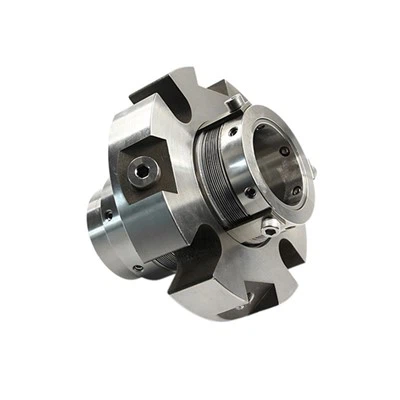
In the realm of industrial machinery and equipment, seals spare parts play a pivotal role in ensuring the proper functioning and longevity of various systems. One of the key performance indicators for these seals is their fatigue resistance. As a dedicated seals spare parts supplier, I have witnessed firsthand the significance of fatigue resistance in different applications and the impact it has on the overall performance of the equipment.
Understanding Fatigue Resistance in Seals Spare Parts
Fatigue resistance refers to the ability of a material or a component to withstand repeated loading and unloading cycles without failing. In the context of seals spare parts, this means that the seals should be able to endure continuous compression, expansion, and shearing forces over an extended period without experiencing significant degradation or failure.
The fatigue process in seals typically begins with the initiation of small cracks or defects within the material. These cracks can be caused by a variety of factors, such as stress concentration, environmental factors, or manufacturing defects. As the seals are subjected to repeated loading, these cracks gradually grow and propagate, eventually leading to the complete failure of the seal.
The fatigue resistance of seals spare parts is influenced by several factors, including the material properties, design, and operating conditions. Let's take a closer look at each of these factors.
Material Properties
The choice of material is crucial in determining the fatigue resistance of seals spare parts. Different materials have different mechanical properties, such as strength, elasticity, and toughness, which can significantly affect their ability to withstand fatigue.


For example, elastomers are commonly used in seals due to their high elasticity and flexibility. However, they may have relatively low fatigue resistance compared to other materials, especially under high-stress conditions. On the other hand, materials like MOR Polymer Seal Rings offer excellent fatigue resistance, along with other desirable properties such as chemical resistance and low friction. PTFE (Polytetrafluoroethylene) is known for its high strength and durability, making it suitable for applications where the seals are subjected to high pressures and repeated movements.
Another material that is widely used in seals is silicon carbide (SiC). MOR SIC SSIC Seal Rings are known for their exceptional hardness, wear resistance, and fatigue resistance. SiC seals can withstand high temperatures and aggressive chemical environments, making them ideal for use in demanding industrial applications.
Design
The design of the seals also plays an important role in their fatigue resistance. A well-designed seal should be able to distribute the stress evenly across its surface, minimizing the risk of stress concentration and crack initiation.
For example, the shape and dimensions of the seal can affect its stress distribution. A seal with a proper cross-sectional shape and thickness can ensure that the stress is evenly distributed, reducing the likelihood of fatigue failure. Additionally, the design of the seal's contact surface can also impact its fatigue resistance. A smooth and well-finished contact surface can reduce friction and wear, which can help to extend the lifespan of the seal.
Operating Conditions
The operating conditions of the seals, such as temperature, pressure, and speed, can also have a significant impact on their fatigue resistance. High temperatures can cause the material to soften and lose its mechanical properties, making it more susceptible to fatigue. Similarly, high pressures and speeds can increase the stress on the seals, accelerating the fatigue process.
Therefore, it is important to select the appropriate seals for the specific operating conditions. For example, in high-temperature applications, seals made of materials with high thermal stability, such as PTFE or SiC, should be used. In high-pressure applications, seals with a robust design and high strength material should be selected.
Importance of Fatigue Resistance in Seals Spare Parts
The fatigue resistance of seals spare parts is of utmost importance in ensuring the reliable and efficient operation of industrial machinery and equipment. Here are some of the key reasons why fatigue resistance is crucial:
Preventing Leakage
One of the primary functions of seals is to prevent the leakage of fluids or gases. A seal with poor fatigue resistance may develop cracks or defects over time, which can lead to leakage. This can not only cause environmental pollution but also result in the loss of valuable fluids or gases, leading to increased operating costs.
Extending Equipment Lifespan
Seals that are able to withstand fatigue can help to extend the lifespan of the equipment. By preventing leakage and reducing wear and tear, the seals can protect the internal components of the equipment from damage, ensuring its long-term reliability and performance.
Reducing Maintenance Costs
Fatigue-resistant seals require less frequent replacement, which can significantly reduce the maintenance costs of the equipment. This is especially important in industries where downtime can be costly, such as manufacturing, oil and gas, and power generation.
Testing and Evaluation of Fatigue Resistance
To ensure the quality and performance of the seals spare parts, it is important to conduct thorough testing and evaluation of their fatigue resistance. There are several methods available for testing the fatigue resistance of seals, including:
Fatigue Testing Machines
Fatigue testing machines are used to simulate the real-world operating conditions of the seals and subject them to repeated loading and unloading cycles. These machines can measure the number of cycles the seals can withstand before failure, as well as the changes in their mechanical properties over time.
Non-Destructive Testing
Non-destructive testing methods, such as ultrasonic testing and X-ray inspection, can be used to detect the presence of cracks or defects in the seals without damaging them. These methods can help to identify potential problems early on, allowing for timely replacement of the seals.
Field Testing
Field testing involves installing the seals in actual equipment and monitoring their performance over a period of time. This method can provide valuable information about the real-world performance of the seals, including their fatigue resistance under different operating conditions.
Conclusion
In conclusion, the fatigue resistance of seals spare parts is a critical factor in ensuring the reliable and efficient operation of industrial machinery and equipment. As a seals spare parts supplier, I understand the importance of providing high-quality seals with excellent fatigue resistance.
By choosing the appropriate materials, designing the seals carefully, and considering the operating conditions, we can ensure that our seals can withstand the rigors of repeated loading and unloading, providing long-lasting performance and reliability.
If you are in need of high-quality seals spare parts with excellent fatigue resistance, please feel free to contact us for more information and to discuss your specific requirements. We are committed to providing you with the best solutions for your sealing needs.
References
- "Handbook of Seal Technology" by LeRoy W. Bush
- "Engineering Tribology" by Michael J. Neale