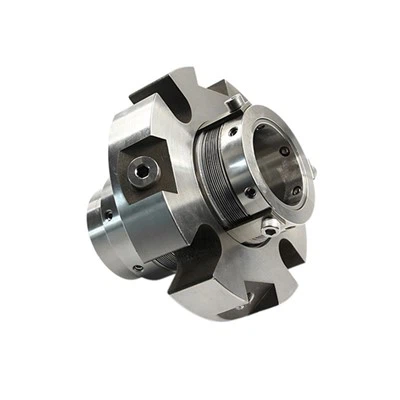
Hey there! As a supplier of API mechanical seals, I've seen firsthand the importance of proper operation and maintenance of these crucial components. API mechanical seals are designed to meet the strict standards set by the American Petroleum Institute (API) for use in various industrial applications, especially in the oil and gas sector. In this blog post, I'll share some of the best practices for operating API mechanical seals to ensure their long - term performance and reliability.
Installation
The first step in getting the most out of your API mechanical seals is correct installation. It's like building a house; if the foundation is wrong, the whole structure will be at risk.
- Cleanliness is Key: Before installing the seal, make sure that all mating surfaces are extremely clean. Any dirt, debris, or rust can cause premature wear or leakage. Use a suitable cleaning solvent and lint - free cloth to wipe down the shaft, sleeve, and gland.
- Proper Alignment: The shaft and the housing must be properly aligned. Misalignment can lead to uneven loading on the seal faces, causing excessive wear and reducing the seal's lifespan. Use alignment tools to ensure that the shaft is centered within the housing.
- Follow Manufacturer's Instructions: Every API mechanical seal comes with detailed installation instructions from the manufacturer. These instructions are based on extensive testing and engineering, so make sure to follow them to the letter. For example, some seals require a specific amount of compression during installation, and deviating from this can lead to seal failure.
Lubrication and Cooling
API mechanical seals often operate in harsh environments with high pressures and temperatures. Proper lubrication and cooling are essential to keep the seals in good working condition.
- Select the Right Lubricant: The lubricant used should be compatible with the fluid being sealed and the materials of the seal. For example, in applications where the fluid is a hydrocarbon, a lubricant that can withstand the chemical properties of hydrocarbons is required. Using the wrong lubricant can cause swelling, cracking, or other forms of degradation of the seal components.
- Maintain Adequate Cooling: Cooling is crucial, especially in high - temperature applications. Many API mechanical seals have cooling jackets or passages to remove heat generated during operation. Ensure that the cooling system is functioning properly, and the coolant flow rate and temperature are within the recommended range. For instance, if the coolant temperature is too high, it won't be able to effectively dissipate the heat, leading to overheating of the seal.
Monitoring and Inspection
Regular monitoring and inspection are vital to catch any potential issues before they turn into major problems.
- Leak Detection: Set up a system to detect any leakage from the seal. Even a small amount of leakage can be a sign of a developing problem. You can use visual inspection, as well as more advanced methods like ultrasonic leak detectors.
- Temperature and Pressure Monitoring: Keep an eye on the temperature and pressure at the seal location. Sudden changes in these parameters can indicate a problem with the seal or the system. Install temperature and pressure sensors and record the data regularly.
- Visual Inspection: Periodically disassemble the seal for a visual inspection. Check for signs of wear, damage, or corrosion on the seal faces, springs, and other components. If you notice any issues, replace the damaged parts immediately.
Seal Flushing
Seal flushing is an important technique to remove contaminants and cool the seal.
- Choose the Right Flushing Plan: There are different flushing plans available, depending on the application. For example, Plan 11 involves using the pumped fluid to flush the seal chamber. Plan 23 uses a separate, clean fluid to circulate through the seal chamber. Select the flushing plan that best suits your operating conditions.
- Maintain Flushing Flow Rate: Ensure that the flushing fluid is flowing at the correct rate. A low flow rate may not be sufficient to remove contaminants or cool the seal, while a high flow rate can cause excessive turbulence and wear on the seal faces.
Seal Selection
Selecting the right API mechanical seal for your application is the first and most important step.
- Understand Your Application: Consider factors such as the type of fluid being sealed, pressure, temperature, shaft speed, and the nature of the process. For example, if you're sealing a corrosive fluid, you'll need a seal made from corrosion - resistant materials.
- Quality Matters: Always choose high - quality API mechanical seals from a reputable supplier. A well - made seal will be more reliable and have a longer lifespan. We offer a wide range of high - quality API mechanical seals, such as the MOR 102 booster pump mechanical seal, the MOR X200 - 45 Dual Bellows Mechanical Seal with Double Shaft Seal Parts, and the MOR 609 bellows shaft seal. These seals are designed to meet the highest API standards and are suitable for a variety of industrial applications.
Training and Maintenance Personnel
The people responsible for operating and maintaining API mechanical seals should be well - trained.


- Provide Training: Offer training programs for your maintenance staff on API mechanical seal installation, operation, and maintenance. This will ensure that they have the knowledge and skills to handle the seals properly.
- Keep Up with Industry Trends: The field of API mechanical seals is constantly evolving. Encourage your maintenance personnel to stay updated on the latest technologies and best practices through industry conferences, seminars, and publications.
Emergency Preparedness
Despite all the best practices, seal failures can still occur. Having an emergency preparedness plan in place can minimize the impact of a seal failure.
- Spare Parts Inventory: Keep a stock of common spare parts for your API mechanical seals. This way, if a seal fails, you can quickly replace the damaged parts and get the system back up and running.
- Response Plan: Develop a detailed response plan for seal failures. This plan should include steps for shutting down the system safely, isolating the affected area, and replacing the seal.
In conclusion, operating API mechanical seals effectively requires a combination of proper installation, lubrication, monitoring, and maintenance. By following these best practices, you can ensure the long - term performance and reliability of your API mechanical seals. If you're in the market for high - quality API mechanical seals or need more advice on seal operation and maintenance, don't hesitate to reach out to us. We're here to help you find the best solutions for your industrial sealing needs.
References
- API Standard 682, "Sealing Systems for Centrifugal and Rotary Pumps"
- Manufacturer's technical manuals for API mechanical seals
- Industry research papers on mechanical seal technology and best practices