


Hey there! As a supplier of dual mechanical seals, I've seen firsthand the importance of getting the installation right, especially when it comes to large - diameter dual mechanical seals. These bad boys are a bit more complex than your regular seals, so I'm gonna share some tips that'll help you get the job done smoothly.
Pre - installation Checks
Before you even think about putting that seal in place, you gotta do some thorough checks. First off, examine the seal itself. Look for any visible damage like cracks, scratches, or deformities. Even the tiniest flaw can lead to leaks down the road. Make sure all the components are in good shape and that everything is accounted for. You don't want to start the installation only to realize you're missing a crucial part.
Next, take a good look at the shaft and the housing where the seal will be installed. The shaft should be straight and free from any nicks or burrs. A rough shaft surface can wear out the seal quickly. Measure the shaft diameter to ensure it matches the seal's specifications. Any deviation can cause improper sealing.
The housing also needs to be in top - notch condition. Check for proper alignment and cleanliness. Dirt, debris, or old seal remnants in the housing can prevent a proper seal installation. Use a suitable cleaning agent to remove any contaminants, and dry the housing thoroughly before proceeding.
Handling the Seal
Large - diameter dual mechanical seals are delicate and heavy. You need to handle them with care. When lifting the seal, use appropriate lifting equipment to avoid dropping or damaging it. Always hold the seal by its designated handling points. Avoid touching the sealing faces with your bare hands, as the oils from your skin can contaminate the surfaces and affect the sealing performance.

If you're storing the seal before installation, make sure to store it in a clean, dry environment. Keep it away from extreme temperatures and direct sunlight. A proper storage environment will prevent any degradation of the seal materials.
Installation Process
Shaft Preparation
Start by applying a thin layer of a suitable lubricant to the shaft. This will make it easier to slide the seal onto the shaft without causing any damage. The lubricant should be compatible with the seal materials and the process fluid. For example, if you're dealing with a seal that will be in contact with water, a water - based lubricant might be a good choice.
Seal Assembly
Carefully assemble the seal components according to the manufacturer's instructions. This is where having a good understanding of the seal design comes in handy. Make sure all the springs, o - rings, and other parts are installed correctly. For large - diameter seals, it might be a two - person job to ensure proper alignment and installation.
Alignment
Alignment is crucial for the proper functioning of a large - diameter dual mechanical seal. Use alignment tools to ensure that the seal is perfectly aligned with the shaft and the housing. Misalignment can cause uneven wear on the seal faces, leading to premature failure. Check both the radial and axial alignment to guarantee a tight and effective seal.
Tightening
When tightening the bolts or fasteners, follow the recommended torque values. Over - tightening can damage the seal, while under - tightening can result in leaks. Use a torque wrench to ensure accurate tightening. Tighten the bolts in a criss - cross pattern to distribute the pressure evenly.

Post - installation Checks
Once the seal is installed, it's not time to sit back and relax just yet. You need to perform some post - installation checks. First, turn the shaft by hand to make sure it rotates smoothly. Any resistance could indicate a problem with the installation, such as misalignment or a trapped component.
Then, perform a leak test. Slowly introduce the process fluid into the system and monitor for any signs of leakage. Check around the seal area, as well as any connected pipes or fittings. If you notice a leak, don't panic. It could be something as simple as a loose bolt or a misaligned component. Take the time to identify and fix the issue before putting the system into full operation.
Specific Seal Models
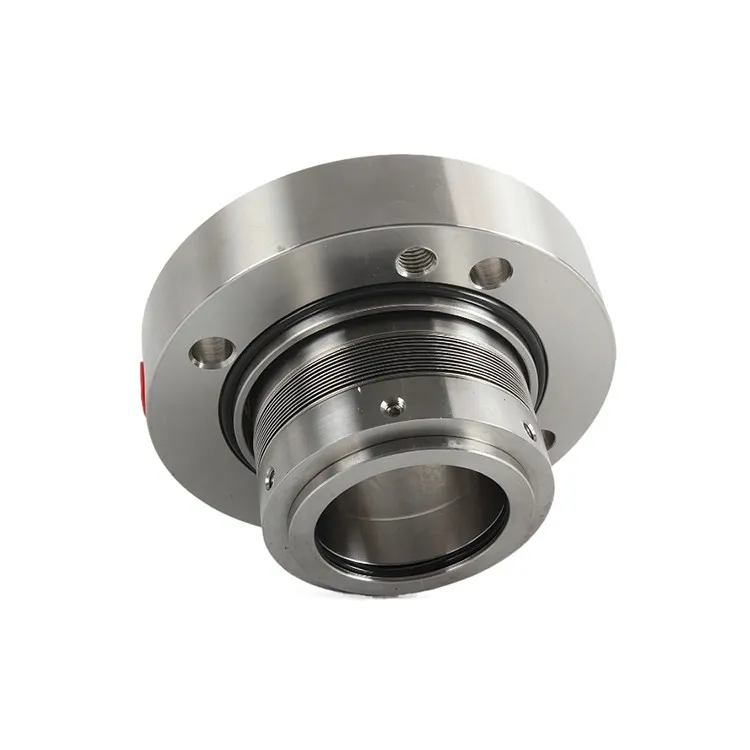
At our company, we offer some great large - diameter dual mechanical seal models. One of them is the MOR MFL95N. This seal is known for its high - performance and durability. It's designed to handle a wide range of process fluids and operating conditions. The metal bellows design provides excellent flexibility and compensates for any shaft movement or misalignment.
Another great option is the MOR MFLWT 80 Metal Bellows Mechanical Seal. This seal is specifically engineered for large - diameter applications. It offers reliable sealing performance and is easy to install. The metal bellows construction ensures long - term stability and resistance to wear.

We also have the MOR LBG Cartridge Metal Bellow Seal. This cartridge - style seal simplifies the installation process. It comes pre - assembled, which means you can save time and reduce the risk of installation errors. The metal bellows design provides excellent sealing even under high - pressure conditions.
Why Choose Our Seals
Our dual mechanical seals are made from high - quality materials. We use advanced manufacturing techniques to ensure that each seal meets the highest standards of quality and performance. Our team of experts is always available to provide technical support and advice. Whether you have questions about installation, maintenance, or seal selection, we're here to help.
Contact Us for Purchase
If you're in the market for a large - diameter dual mechanical seal, we'd love to hear from you. Our seals are a great investment for your equipment, and we're confident that you'll be satisfied with the performance. Reach out to us to start a purchase negotiation. We can provide you with detailed product information, pricing, and delivery options.
References
- "Mechanical Seals Handbook" by John S. Collias
- "Sealing Technology for Rotating Equipment" by Robert A. Flanagan


