


The maintenance cycle of carbon ring seals is a critical aspect for industries that rely on these components to ensure the efficient and safe operation of their equipment. As a leading carbon ring seal supplier, we understand the importance of providing clear and accurate information about maintenance cycles to our customers. In this blog, we will explore what the maintenance cycle of carbon ring seals entails, factors that influence it, and how proper maintenance can extend the lifespan of these seals.
Understanding Carbon Ring Seals
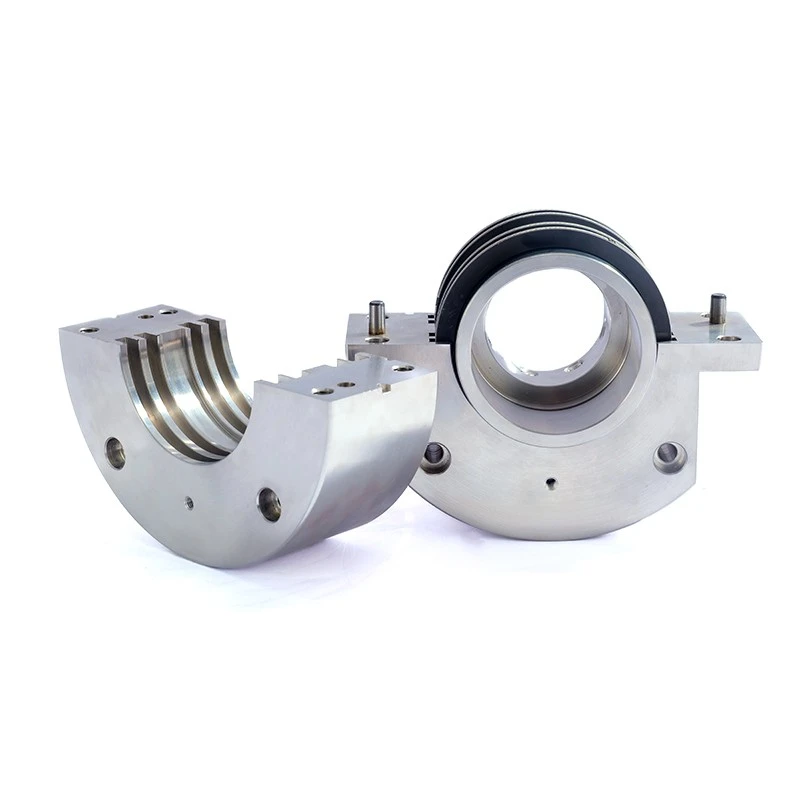
Carbon ring seals are widely used in various industrial applications, including pumps, compressors, and other rotating equipment. They are designed to prevent the leakage of fluids or gases by creating a tight seal between the rotating and stationary parts of the equipment. The carbon material used in these seals offers excellent wear resistance, low friction, and good chemical compatibility, making them suitable for a wide range of operating conditions.
What is the Maintenance Cycle?
The maintenance cycle of carbon ring seals refers to the regular intervals at which maintenance activities should be performed to ensure the optimal performance and longevity of the seals. This cycle typically includes inspection, cleaning, replacement of worn parts, and lubrication. The specific maintenance cycle can vary depending on several factors, such as the operating conditions, the type of equipment, and the quality of the seals.
Factors Influencing the Maintenance Cycle
Operating Conditions
The operating conditions of the equipment play a significant role in determining the maintenance cycle of carbon ring seals. For example, if the equipment operates in a harsh environment with high temperatures, high pressures, or abrasive particles, the seals are likely to experience more wear and tear, and the maintenance cycle may need to be shortened. On the other hand, if the operating conditions are relatively mild, the seals may last longer, and the maintenance cycle can be extended.
Type of Equipment
Different types of equipment have different requirements for carbon ring seals. For instance, pumps and compressors may have different operating speeds, pressures, and fluid characteristics, which can affect the performance and lifespan of the seals. Therefore, the maintenance cycle should be tailored to the specific type of equipment to ensure optimal performance.
Quality of the Seals
The quality of the carbon ring seals also affects the maintenance cycle. High-quality seals are typically made from superior materials and have better manufacturing processes, which can result in longer lifespan and fewer maintenance requirements. As a carbon ring seal supplier, we offer a range of high-quality seals, such as the Split Carbon Ring Seal with Isolation Gas, MOR CRS813 High Pressure Carbon Material Seal, and MOR CRS929 Carbon Ring Seal For Screw Compressor, which are designed to meet the diverse needs of our customers.
Typical Maintenance Cycle
In general, a typical maintenance cycle for carbon ring seals may range from a few months to several years, depending on the factors mentioned above. Here is a general guideline for the maintenance cycle:
Inspection
Regular inspection is the first step in the maintenance cycle. It should be performed at least once a month or more frequently if the operating conditions are harsh. During the inspection, the seals should be checked for signs of wear, damage, or leakage. Any abnormal wear or damage should be addressed immediately to prevent further problems.
Cleaning
Cleaning the carbon ring seals is an important part of the maintenance process. It helps to remove dirt, debris, and other contaminants that can accumulate on the seals and affect their performance. The seals should be cleaned using a suitable cleaning agent and a soft brush. After cleaning, the seals should be thoroughly dried to prevent corrosion.
Replacement of Worn Parts
Over time, the carbon ring seals may wear out and need to be replaced. The frequency of replacement depends on the operating conditions and the quality of the seals. As a general rule, the seals should be replaced when the wear reaches a certain limit or when there are signs of leakage.
Lubrication
Lubrication is essential for the smooth operation of the carbon ring seals. It helps to reduce friction and wear, and also prevents the seals from sticking to the rotating parts. The type of lubricant used should be compatible with the seals and the operating conditions.
Benefits of Regular Maintenance
Regular maintenance of carbon ring seals offers several benefits, including:
Extended Lifespan
By performing regular maintenance, the lifespan of the carbon ring seals can be significantly extended. This reduces the frequency of seal replacements, which can save time and money in the long run.

Improved Performance
Proper maintenance ensures that the carbon ring seals are operating at their optimal performance. This helps to prevent leakage, reduce energy consumption, and improve the overall efficiency of the equipment.
Enhanced Safety
Well-maintained carbon ring seals can prevent the leakage of hazardous fluids or gases, which can pose a safety risk to the operators and the environment. Regular maintenance helps to ensure the safety of the equipment and the people working with it.
Contact Us for Procurement
If you are looking for high-quality carbon ring seals and need more information about the maintenance cycle or other related topics, please feel free to contact us. Our team of experts is ready to assist you with your procurement needs and provide you with the best solutions for your equipment.
References
- ASME PTC 8.2-2008, Performance Test Code on Liquid Pumping Units
- API 682, Seal Systems for Centrifugal and Rotary Pumps
- ISO 21049, Petroleum, petrochemical and natural gas industries - Mechanical seals for centrifugal pumps


