


What is the Temperature Resistance of Dry Gas Seals?
As a supplier of dry gas seals, I often encounter inquiries about the temperature resistance of these crucial components. Dry gas seals play a vital role in various industrial applications, especially in compressors, where they prevent the leakage of process gases and ensure the efficient and safe operation of equipment. Understanding the temperature resistance of dry gas seals is essential for selecting the right seal for specific operating conditions and ensuring long - term reliability.
Factors Affecting Temperature Resistance
The temperature resistance of dry gas seals is influenced by several factors. Firstly, the materials used in the construction of the seal are of utmost importance. The primary components of a dry gas seal include the seal faces, secondary sealing elements, and the housing.
The seal faces are typically made of hard materials such as silicon carbide (SiC), tungsten carbide (WC), or carbon graphite. Silicon carbide is known for its excellent hardness, wear resistance, and high thermal conductivity. It can withstand relatively high temperatures, making it suitable for applications where the seal faces are exposed to elevated heat. Tungsten carbide is also a popular choice due to its high strength and good wear properties. Carbon graphite, on the other hand, has self - lubricating properties but has a lower temperature limit compared to silicon carbide and tungsten carbide.
The secondary sealing elements, such as O - rings and gaskets, are usually made of elastomers. Different elastomers have different temperature ratings. For example, nitrile rubber (NBR) has a relatively low temperature resistance, typically up to around 120 - 150°C. Fluorocarbon rubber (FKM), also known as Viton, can withstand higher temperatures, up to approximately 200 - 250°C. Perfluoroelastomers (FFKM) offer the highest temperature resistance among elastomers, with some grades capable of operating at temperatures up to 327°C.
The housing of the dry gas seal is often made of metals such as stainless steel or cast iron. These materials have good mechanical strength and can withstand a wide range of temperatures. However, the design of the housing also affects heat transfer and the overall temperature distribution within the seal.
Temperature Limits of Different Dry Gas Seal Types
There are different types of dry gas seals, each with its own temperature resistance characteristics.
Single Dry Gas Seals: Single dry gas seals are the simplest type. They are suitable for applications with relatively low - pressure and moderate - temperature conditions. The temperature resistance of a single dry gas seal depends mainly on the materials used. If silicon carbide seal faces and FKM secondary sealing elements are used, the seal can typically operate at temperatures up to around 200 - 250°C.
Tandem Dry Gas Seals: Tandem dry gas seals consist of two seals in series. They provide an additional level of protection against gas leakage. The MOR 2GT Tandem Dry Gas Seal is an example of a high - performance tandem dry gas seal. With appropriate material selection, tandem dry gas seals can handle higher temperatures compared to single seals. For example, if high - temperature - resistant materials such as silicon carbide seal faces and FFKM secondary sealing elements are employed, the seal can operate at temperatures up to 300°C or even higher in some cases.
Compressor Dry Gas Seals: Compressor dry gas seals are designed specifically for use in compressors, where they need to withstand high - pressure and high - temperature conditions. The MOR CDTD Compressor Dry Gas Seal is a well - known compressor dry gas seal. These seals often use advanced materials and design features to enhance their temperature resistance. The temperature resistance of compressor dry gas seals can vary widely depending on the compressor type and the process gas. In general, they can operate at temperatures ranging from 150 - 350°C, depending on the specific design and material selection.
Special - Purpose Dry Gas Seals: There are also special - purpose dry gas seals designed for extreme temperature conditions. For example, in some petrochemical and power generation applications, where the process gas can reach very high temperatures, dry gas seals with enhanced temperature resistance are required. The MOR 2GS1 Dry Gas Seal for Compressor can be customized to meet such extreme requirements. By using advanced ceramic materials for the seal faces and high - temperature - resistant elastomers for the secondary sealing elements, these special - purpose seals can operate at temperatures well above 350°C.
Importance of Temperature Management in Dry Gas Seals
Proper temperature management is crucial for the reliable operation of dry gas seals. Excessive temperature can cause several problems.
Material Degradation: High temperatures can cause the degradation of the seal materials. For example, elastomers can lose their elasticity and sealing properties at high temperatures, leading to leakage. The seal faces can also experience thermal cracking or excessive wear if the temperature is too high.
Frictional Heat Generation: During operation, the seal faces generate frictional heat. If this heat is not dissipated effectively, it can lead to a further increase in temperature, which can accelerate material degradation and reduce the seal's lifespan.
Thermal Expansion: Different materials in the dry gas seal have different coefficients of thermal expansion. If the temperature changes too rapidly or exceeds the design limits, thermal expansion can cause misalignment of the seal faces, resulting in increased leakage and premature failure of the seal.
To manage the temperature of dry gas seals, various methods can be used. One common method is to use a cooling system, such as a water - cooled jacket or air - cooling fins, to remove the heat generated during operation. Another approach is to optimize the gas flow through the seal to ensure efficient heat transfer.
Selecting the Right Dry Gas Seal Based on Temperature Requirements
When selecting a dry gas seal, it is essential to consider the temperature requirements of the application. Here are some steps to follow:
Determine the Operating Temperature Range: First, accurately determine the minimum and maximum temperatures that the seal will be exposed to during normal operation. This includes considering factors such as the process gas temperature, the heat generated by the compressor, and any external heat sources.
Evaluate the Material Compatibility: Based on the temperature range, select the appropriate materials for the seal faces, secondary sealing elements, and housing. Consult with the seal manufacturer to ensure that the selected materials are compatible with the process gas and can withstand the expected temperatures.
Consider the Seal Type: Choose the right type of dry gas seal based on the pressure, temperature, and leakage requirements of the application. For high - temperature and high - pressure applications, tandem or compressor dry gas seals are usually a better choice.
Seek Expert Advice: If you are unsure about the temperature resistance requirements or the selection of the dry gas seal, it is advisable to seek advice from an experienced seal supplier or engineer. They can provide valuable insights and help you select the most suitable seal for your specific application.
Conclusion
The temperature resistance of dry gas seals is a critical factor in their performance and reliability. By understanding the factors that affect temperature resistance, the temperature limits of different seal types, and the importance of temperature management, you can make an informed decision when selecting a dry gas seal for your application.
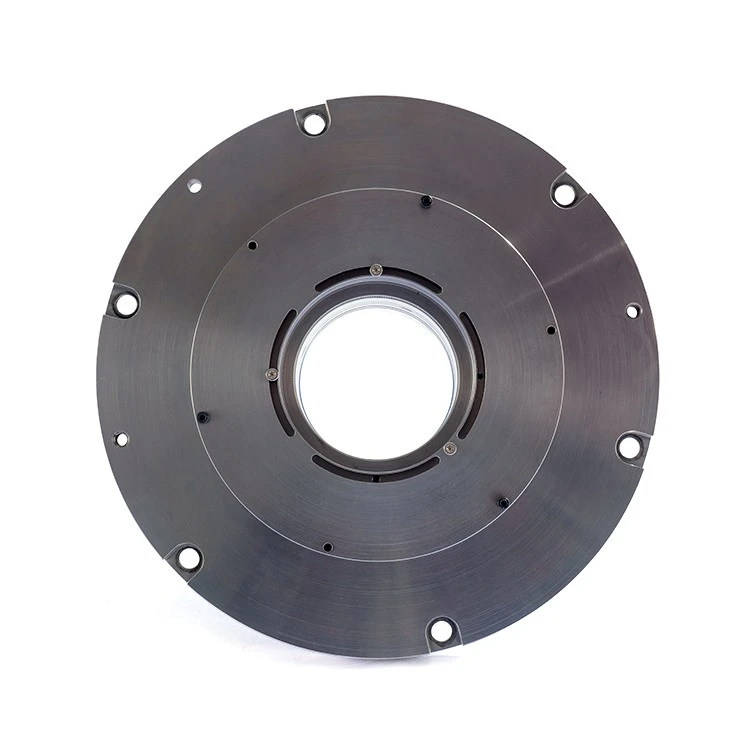

As a dry gas seal supplier, we have the expertise and experience to provide high - quality dry gas seals that can meet a wide range of temperature requirements. Whether you need a standard seal for a moderate - temperature application or a custom - designed seal for extreme - temperature conditions, we can offer the right solution.
If you are in the market for dry gas seals and have specific temperature requirements, we invite you to contact us for a detailed consultation. Our team of experts will work closely with you to understand your needs and provide the best - fitting dry gas seal solutions.
References
- "Handbook of Seal Technology" by John H. Bickford
- "Industrial Sealing Technology" by Heinz K. Haberstroh
- Technical documentation from dry gas seal manufacturers


