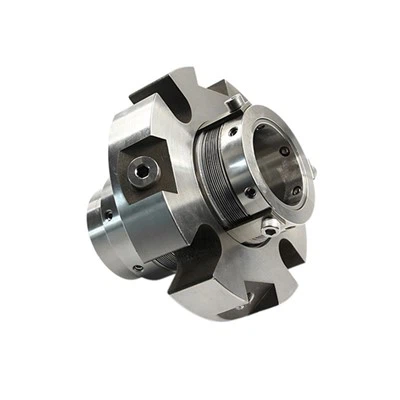
When it comes to the installation of a dual mechanical seal, understanding the torque requirements is crucial for ensuring optimal performance and longevity. As a trusted dual mechanical seal supplier, we have extensive experience in this field and are well - versed in the intricacies of torque specifications. In this blog, we will delve into the factors that influence torque requirements and provide insights to help you achieve a successful installation.
Importance of Correct Torque
The torque applied during the installation of a dual mechanical seal is not a matter of guesswork. It plays a pivotal role in several aspects of the seal's functionality. Firstly, proper torque ensures a tight and uniform seal between the different components of the mechanical seal. This is essential for preventing fluid leakage, which can lead to product loss, environmental hazards, and equipment damage.
Secondly, correct torque helps to maintain the alignment of the seal faces. Misaligned seal faces can cause uneven wear, leading to premature failure of the seal. By applying the right amount of torque, you can minimize the risk of misalignment and ensure that the seal faces operate smoothly against each other, reducing friction and heat generation.
Factors Influencing Torque Requirements
Seal Design
The design of the dual mechanical seal is one of the primary factors that determine the torque requirements. Different seal designs have varying geometries and materials, which affect how much torque is needed to achieve a proper seal. For example, seals with larger diameters or more complex designs may require higher torque values to ensure a tight fit.
Some seals are designed with specific features, such as O - rings or gaskets, which can also influence the torque requirements. These sealing elements need to be compressed to a certain degree to create an effective seal, and the amount of compression is directly related to the applied torque.
Material Properties
The materials used in the construction of the dual mechanical seal and its components also play a significant role in determining the torque requirements. Harder materials, such as metals, may require higher torque values to deform and create a proper seal compared to softer materials like elastomers.
Additionally, the coefficient of friction between the mating surfaces of the seal components can affect the torque requirements. A higher coefficient of friction means that more torque is needed to overcome the resistance and achieve the desired level of compression.
Operating Conditions
The operating conditions of the equipment where the dual mechanical seal is installed are another important consideration. Factors such as pressure, temperature, and the nature of the fluid being sealed can all impact the torque requirements.
In high - pressure applications, for example, a higher torque may be necessary to ensure that the seal can withstand the pressure without leaking. Similarly, in high - temperature environments, the materials may expand or contract, which can affect the seal's performance. Adjusting the torque requirements based on the operating conditions is essential to ensure the long - term reliability of the seal.
Determining the Right Torque
Manufacturer's Specifications
The first and most reliable source of information regarding torque requirements is the manufacturer's specifications. As a dual mechanical seal supplier, we provide detailed installation instructions that include the recommended torque values for our products. These values are based on extensive testing and research to ensure optimal performance and reliability.
When installing a dual mechanical seal, it is crucial to follow the manufacturer's guidelines precisely. Deviating from the recommended torque values can lead to a variety of problems, including leakage, premature wear, and even seal failure.
Torque Calculation
In some cases, you may need to calculate the torque requirements based on specific factors. There are several formulas and methods available for calculating torque, but these calculations can be complex and require a good understanding of the seal design and material properties.
One common approach is to use the formula T = K * D * F, where T is the torque, K is a constant that depends on the coefficient of friction and the thread type, D is the diameter of the bolt or fastener, and F is the pre - load force. However, this formula is a simplified representation, and in practice, other factors such as the elasticity of the materials and the presence of lubricants need to be taken into account.


Tools for Torque Application
Torque Wrenches
To ensure that the correct torque is applied during the installation of a dual mechanical seal, it is essential to use the right tools. A torque wrench is a specialized tool that allows you to apply a specific amount of torque to a fastener. There are different types of torque wrenches available, including click - type, beam - type, and digital torque wrenches.
Click - type torque wrenches are the most commonly used type. They emit a clicking sound when the preset torque value is reached, indicating that you should stop applying force. Beam - type torque wrenches use a calibrated beam to measure the torque, and digital torque wrenches provide a digital display of the applied torque, offering more accurate readings.
Torque Multipliers
In some cases, especially when dealing with large - diameter fasteners or high - torque requirements, a torque multiplier may be necessary. A torque multiplier is a tool that amplifies the applied torque, allowing you to achieve higher torque values without using excessive force.
These tools are typically used in heavy - duty applications, such as in the oil and gas industry or large - scale manufacturing plants. However, it is important to use torque multipliers correctly and ensure that they are calibrated regularly to maintain accuracy.
Our Dual Mechanical Seal Products
As a leading dual mechanical seal supplier, we offer a wide range of high - quality products to meet the diverse needs of our customers. Our seals are designed and manufactured to the highest standards, ensuring reliable performance in various operating conditions.
For example, our Equivalent To MFL85N Metal Mechanical Seal is a robust and durable seal suitable for applications where high - temperature and high - pressure resistance are required. This seal is made from high - quality metals and features a unique design that provides excellent sealing performance.
Another popular product is our MOR 609 High Temperature Bellows Seal. This seal is specifically designed for use in high - temperature environments, such as in chemical processing plants or power generation facilities. The bellows design allows for flexibility and compensation of thermal expansion, ensuring a reliable seal even under extreme conditions.
We also offer the MOR X200 - 45 Bellows Cartridge Mechanical Seal, which is a pre - assembled cartridge seal that simplifies the installation process. This seal is ideal for applications where quick and easy installation is required, reducing downtime and maintenance costs.
Conclusion
In conclusion, understanding the torque requirements for installing a dual mechanical seal is essential for ensuring the proper functioning and longevity of the seal. By considering factors such as seal design, material properties, and operating conditions, and by following the manufacturer's specifications, you can achieve a successful installation.
As a trusted dual mechanical seal supplier, we are committed to providing our customers with high - quality products and comprehensive support. If you have any questions about torque requirements or need assistance with selecting the right dual mechanical seal for your application, please feel free to contact us. We look forward to discussing your needs and helping you find the best solution for your sealing requirements.
References
- Engineering textbooks on mechanical seals and fluid mechanics.
- Manufacturer's installation and maintenance guides for dual mechanical seals.
- Industry standards and best practices for mechanical seal installation.