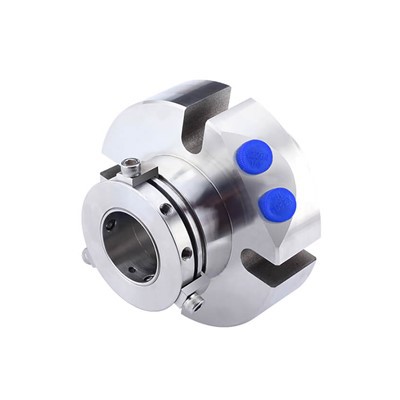
High speed mechanical seals are critical components in various industrial applications, especially in centrifugal pumps. They play a crucial role in preventing fluid leakage and maintaining the efficiency of the equipment. However, like any mechanical part, they are prone to failures. As a high speed mechanical seal supplier, I have witnessed a wide range of seal failures and have gained valuable insights into troubleshooting these issues. In this blog, I will share some common causes of high speed mechanical seal failures and provide practical solutions to address them.
Common Causes of High Speed Mechanical Seal Failures
1. Improper Installation
One of the most common causes of mechanical seal failures is improper installation. If the seal is not installed correctly, it can lead to misalignment, excessive stress, and premature wear. For example, if the seal faces are not properly aligned, it can cause uneven pressure distribution, resulting in leakage. Additionally, if the installation torque is not within the specified range, it can cause the seal to deform or break.
To avoid installation issues, it is essential to follow the manufacturer's installation instructions carefully. Make sure to clean and inspect all components before installation, and use the correct tools and techniques. If you are unsure about the installation process, it is recommended to seek the assistance of a professional.
2. Abrasive Particles
Abrasive particles in the fluid can cause significant damage to the mechanical seal. These particles can enter the seal faces and cause wear, scoring, and pitting. Over time, this can lead to leakage and reduced seal life. Common sources of abrasive particles include dirt, sand, rust, and scale.
To prevent abrasive particle damage, it is important to use a filtration system to remove particles from the fluid. Additionally, regular maintenance and cleaning of the system can help to reduce the accumulation of particles. If the fluid contains a high concentration of abrasive particles, it may be necessary to use a seal with a harder material or a special coating to resist wear.
3. Chemical Attack
Chemical attack can also cause mechanical seal failures. Certain chemicals can react with the seal materials, causing them to degrade, swell, or crack. This can lead to leakage and reduced seal performance. Common chemicals that can cause chemical attack include acids, bases, solvents, and oxidizing agents.
To prevent chemical attack, it is important to select the appropriate seal materials based on the chemical properties of the fluid. The manufacturer's chemical compatibility chart can be a valuable resource in this regard. Additionally, it is important to monitor the chemical composition of the fluid regularly and make any necessary adjustments to the seal materials or operating conditions.
4. Thermal Stress
High speed mechanical seals are often exposed to high temperatures, which can cause thermal stress. Thermal stress can lead to deformation, cracking, and premature failure of the seal. Additionally, rapid temperature changes can cause the seal materials to expand and contract, which can also lead to leakage.


To prevent thermal stress, it is important to ensure that the seal is properly cooled. This can be achieved by using a cooling system, such as a water jacket or a heat exchanger. Additionally, it is important to monitor the temperature of the fluid and the seal regularly, and make any necessary adjustments to the cooling system or operating conditions.
5. Vibration
Vibration can also cause mechanical seal failures. Excessive vibration can cause the seal faces to separate, leading to leakage. Additionally, vibration can cause the seal components to loosen or break, which can also lead to failure. Common sources of vibration include unbalanced rotating equipment, misaligned shafts, and loose mounting bolts.
To prevent vibration-related failures, it is important to ensure that the equipment is properly balanced and aligned. Additionally, it is important to use vibration isolation mounts or dampers to reduce the transmission of vibration to the seal. Regular maintenance and inspection of the equipment can also help to identify and correct any vibration issues.
Troubleshooting High Speed Mechanical Seal Failures
1. Visual Inspection
The first step in troubleshooting a mechanical seal failure is to conduct a visual inspection. Look for signs of wear, damage, or leakage on the seal faces, O-rings, and other components. Check for any signs of misalignment or improper installation. Additionally, inspect the fluid for any signs of contamination or chemical attack.
2. Performance Testing
If the visual inspection does not reveal any obvious issues, the next step is to conduct performance testing. This can include measuring the seal leakage rate, pressure, and temperature. Compare the test results with the manufacturer's specifications to determine if the seal is operating within the acceptable range.
3. Root Cause Analysis
Once the performance testing is complete, the next step is to conduct a root cause analysis. This involves identifying the underlying cause of the seal failure. Based on the visual inspection and performance testing results, you can narrow down the possible causes and develop a plan to address them.
4. Replacement or Repair
Depending on the root cause analysis results, you may need to replace or repair the mechanical seal. If the seal is severely damaged or worn, it is usually recommended to replace it with a new one. However, if the damage is minor, it may be possible to repair the seal. In either case, it is important to use high-quality replacement parts and follow the manufacturer's repair or replacement instructions carefully.
Recommended Products
As a high speed mechanical seal supplier, we offer a wide range of products to meet the needs of various industrial applications. Some of our recommended products include:
- MOR 58U 59U Mechanical Seal for Centrifugal Pump: This seal is designed for use in centrifugal pumps and offers excellent performance and reliability.
- 224 Double Acting Mechanical Seal for Centrifugal Pump: This double acting seal provides enhanced sealing performance and is suitable for high-pressure applications.
- MOR MG1 MB1 109 Mechanical Seal: This seal is designed for use in a variety of industrial applications and offers high durability and long service life.
Conclusion
High speed mechanical seal failures can be a significant problem in industrial applications. However, by understanding the common causes of seal failures and following the troubleshooting steps outlined in this blog, you can minimize the risk of failure and ensure the reliable operation of your equipment. If you have any questions or need further assistance with troubleshooting high speed mechanical seal failures, please do not hesitate to contact us. We are here to help you find the best solution for your specific needs.
References
- Mechanical Seals Handbook, John Wiley & Sons
- Industrial Sealing Technology, Elsevier