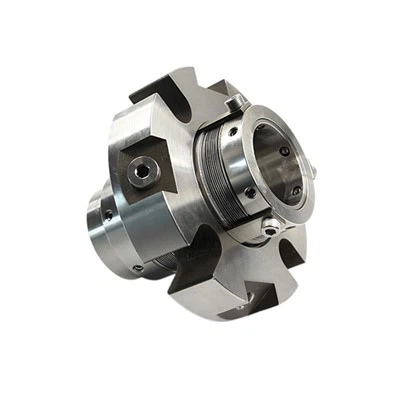
Split seals are a crucial component in various industrial applications, offering a range of benefits such as ease of installation, reduced downtime, and improved sealing performance. As a leading split seal supplier, we have extensive experience in providing high-quality split seals to meet the diverse needs of our customers. In this blog post, we will discuss the best practices for using split seals to ensure optimal performance and longevity.
1. Understanding the Basics of Split Seals
Before delving into the best practices, it is essential to understand what split seals are and how they work. Split seals are designed to be installed on shafts without the need to disassemble the equipment. They consist of two or more segments that can be easily assembled around the shaft, providing a reliable seal against leakage of fluids or gases.


There are different types of split seals available, including mechanical seals, lip seals, and gland packing. Each type has its own unique features and applications. For example, MOR S025 Split Seals for Shafts are ideal for applications where high-pressure sealing is required, while MOR SRDS split type mechanical seal are suitable for applications with rotating shafts.
2. Proper Installation
One of the most important best practices for using split seals is proper installation. Incorrect installation can lead to premature seal failure, leakage, and other problems. Here are some key steps to follow during the installation process:
- Surface Preparation: The shaft surface must be clean, smooth, and free of any damage or debris. Any irregularities on the shaft surface can cause the seal to leak.
- Alignment: The split seal must be properly aligned with the shaft to ensure a tight seal. Misalignment can cause the seal to wear unevenly and lead to leakage.
- Assembly: When assembling the split seal, make sure that the segments are properly aligned and tightened. Use the recommended torque values to ensure a secure fit.
- Lubrication: Apply a thin layer of lubricant to the seal faces to reduce friction and prevent wear. Use a lubricant that is compatible with the fluid being sealed.
3. Regular Maintenance
Regular maintenance is essential to ensure the long-term performance of split seals. Here are some maintenance practices to follow:
- Inspection: Regularly inspect the split seal for signs of wear, damage, or leakage. Look for any cracks, tears, or deformation in the seal material.
- Cleaning: Clean the seal faces and the shaft regularly to remove any dirt, debris, or contaminants. Use a mild detergent and a soft cloth to clean the seal.
- Replacement: Replace the split seal if it shows signs of excessive wear or damage. It is recommended to replace the seal at regular intervals to prevent unexpected failures.
- Monitoring: Monitor the performance of the split seal by checking for any changes in the operating conditions, such as temperature, pressure, or flow rate. Any significant changes in these parameters can indicate a problem with the seal.
4. Compatibility with Fluids and Operating Conditions
Split seals must be compatible with the fluids and operating conditions in which they are used. Here are some factors to consider when selecting a split seal:
- Fluid Compatibility: The seal material must be compatible with the fluid being sealed. Different seal materials have different chemical resistance properties, so it is important to choose a material that can withstand the chemical properties of the fluid.
- Temperature and Pressure: The split seal must be able to withstand the temperature and pressure conditions in which it is used. Make sure to choose a seal that is rated for the maximum temperature and pressure of the application.
- Shaft Speed: The split seal must be able to handle the shaft speed of the application. High-speed applications require seals with low friction and high wear resistance.
5. Training and Education
Proper training and education are essential for the effective use of split seals. Here are some ways to ensure that your employees are trained in the proper use and maintenance of split seals:
- Training Programs: Provide training programs for your employees on the installation, maintenance, and troubleshooting of split seals. These programs can be conducted in-house or by a third-party training provider.
- Technical Support: Offer technical support to your customers to help them with any questions or issues they may have regarding split seals. This can include providing installation instructions, troubleshooting guides, and product specifications.
- Documentation: Provide detailed documentation on the use and maintenance of split seals. This can include installation manuals, maintenance schedules, and product datasheets.
6. Choosing the Right Split Seal
Choosing the right split seal for your application is crucial to ensure optimal performance and longevity. Here are some factors to consider when selecting a split seal:
- Application Requirements: Consider the specific requirements of your application, such as the type of fluid being sealed, the temperature and pressure conditions, and the shaft speed.
- Seal Type: Choose the appropriate seal type based on the application requirements. For example, mechanical seals are suitable for high-pressure applications, while lip seals are ideal for low-pressure applications.
- Seal Material: Select a seal material that is compatible with the fluid being sealed and the operating conditions. Common seal materials include rubber, elastomers, and PTFE.
- Manufacturer Reputation: Choose a split seal manufacturer with a good reputation for quality and reliability. Look for manufacturers that have a proven track record of providing high-quality split seals.
7. Conclusion
In conclusion, using split seals can provide many benefits in industrial applications, including ease of installation, reduced downtime, and improved sealing performance. By following the best practices outlined in this blog post, you can ensure the optimal performance and longevity of your split seals. If you have any questions or need further information about split seals, please do not hesitate to contact us. We are a leading split seal supplier and are committed to providing our customers with the highest quality products and services.
References
- "Sealing Technology Handbook" by John A. Collins
- "Mechanical Seals: Principles and Applications" by John Adamson
- "Industrial Seals: A Practical Guide" by David A. Smith