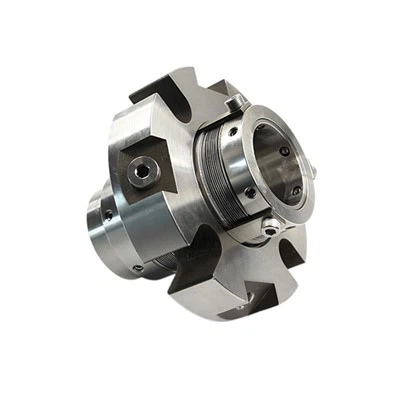
As a seasoned split seal supplier, I've witnessed firsthand the critical role that proper installation plays in the performance and longevity of split seals. In this blog, we'll delve into the essential installation tools for split seals, exploring their functions and importance in ensuring a seamless installation process.
1. Measuring Tools
Accurate measurements are the foundation of a successful split seal installation. Without precise measurements, the seal may not fit correctly, leading to leaks and premature failure. Here are the key measuring tools you'll need:
- Calipers: Calipers are used to measure the diameter of the shaft and the bore where the seal will be installed. They come in various types, including digital and vernier calipers. Digital calipers offer greater accuracy and ease of use, displaying measurements on a digital screen. Vernier calipers, on the other hand, are more traditional and require a bit more skill to read. When measuring the shaft diameter, it's important to measure at multiple points along the shaft to ensure consistency.
- Micrometers: Micrometers are even more precise than calipers and are used to measure the thickness and width of the split seal components. They are especially useful for measuring the seal faces, which need to be flat and parallel within very tight tolerances. Like calipers, micrometers come in digital and mechanical versions.
- Depth Gauges: Depth gauges are used to measure the depth of the seal cavity. This measurement is crucial to ensure that the seal is installed at the correct depth, which can affect the seal's performance and durability.
2. Cleaning Tools
Before installing a split seal, it's essential to clean the shaft, bore, and seal components thoroughly. Any dirt, debris, or contaminants can cause damage to the seal faces and prevent a proper seal. Here are the cleaning tools you'll need:
- Solvents: Solvents are used to dissolve and remove grease, oil, and other contaminants from the shaft and bore. Common solvents include acetone, isopropyl alcohol, and mineral spirits. When using solvents, it's important to follow the manufacturer's instructions and wear appropriate safety gear, such as gloves and goggles.
- Brushes: Brushes are used to scrub the shaft, bore, and seal components to remove any stubborn dirt and debris. Soft-bristled brushes are recommended to avoid scratching the surfaces. You can use a variety of brushes, including toothbrushes, wire brushes (for more stubborn dirt), and nylon brushes.
- Lint-Free Cloths: Lint-free cloths are used to dry the shaft, bore, and seal components after cleaning. They are also used to apply lubricants and sealants. Using lint-free cloths helps prevent any lint or fibers from getting trapped in the seal, which can cause damage.
3. Assembly Tools
Once the shaft and bore are clean and the seal components are measured, it's time to assemble the split seal. Here are the essential assembly tools:
- Torque Wrenches: Torque wrenches are used to tighten the bolts and nuts that hold the split seal together. Applying the correct torque is crucial to ensure that the seal is tightened evenly and to the manufacturer's specifications. Over-tightening can cause the seal faces to crack or distort, while under-tightening can lead to leaks.
- Gasket Scrapers: Gasket scrapers are used to remove any old gaskets or sealants from the mating surfaces of the split seal components. This helps ensure a clean and proper seal between the components.
- Seal Installation Tools: There are various specialized seal installation tools available, depending on the type of split seal. These tools are designed to help you install the seal correctly without damaging the seal faces or other components. For example, some split seals may require a specific tool to compress the seal during installation.
4. Lubrication Tools
Lubrication is essential for the proper installation and performance of split seals. It helps reduce friction, prevent wear, and ensure a smooth installation process. Here are the lubrication tools you'll need:


- Grease Guns: Grease guns are used to apply lubricating grease to the seal faces, shaft, and bore. The grease helps reduce friction during installation and provides a protective barrier against contaminants. When using a grease gun, it's important to apply the grease evenly and in the correct amount.
- Oil Applicators: Oil applicators, such as oil cans or brushes, are used to apply lubricating oil to the seal components. Some split seals may require oil lubrication instead of grease, depending on the application.
5. Inspection Tools
After installing the split seal, it's important to inspect the installation to ensure that everything is in place and functioning correctly. Here are the inspection tools you'll need:
- Magnifying Glasses: Magnifying glasses are used to inspect the seal faces for any signs of damage or wear. Even a small scratch or imperfection on the seal face can cause leaks, so it's important to inspect the faces carefully.
- Leak Detection Tools: Leak detection tools, such as pressure gauges and bubble detectors, are used to check for leaks after the seal is installed. These tools can help you identify any leaks early on and take corrective action before they cause significant problems.
Examples of Our Split Seals
At our company, we offer a wide range of high-quality split seals to meet the needs of various industries. Here are some of our popular products:
- MOR S031 Split Cartridge Mechanical Seal: This split cartridge mechanical seal is designed for easy installation and maintenance. It features a compact design and high-performance materials, making it suitable for a variety of applications.
- MOR S025 Split Seals for Shafts: These split seals are specifically designed for shafts and offer excellent sealing performance. They are made from durable materials and can withstand high pressures and temperatures.
- MOR SRDS split type mechanical seal: The MOR SRDS split type mechanical seal is a reliable and efficient solution for sealing applications. It features a split design that allows for easy installation and replacement, even in tight spaces.
Conclusion
Proper installation of split seals is crucial for their performance and longevity. By using the right installation tools and following the manufacturer's instructions, you can ensure a successful installation and minimize the risk of leaks and premature failure. If you're in the market for high-quality split seals or need more information about installation tools and techniques, don't hesitate to contact us. Our team of experts is ready to assist you with your split seal needs.
References
- Mechanical Seals Handbook, John Wiley & Sons
- Sealing Technology Handbook, Elsevier