


A single coil mechanical seal is a crucial component in various industrial applications, especially in pumps and rotating equipment. Understanding the pressure limits of a single coil mechanical seal is essential for ensuring its proper functioning and longevity. As a supplier of single coil mechanical seals, I have witnessed firsthand the importance of these pressure limits in different operating conditions.

Understanding Single Coil Mechanical Seals
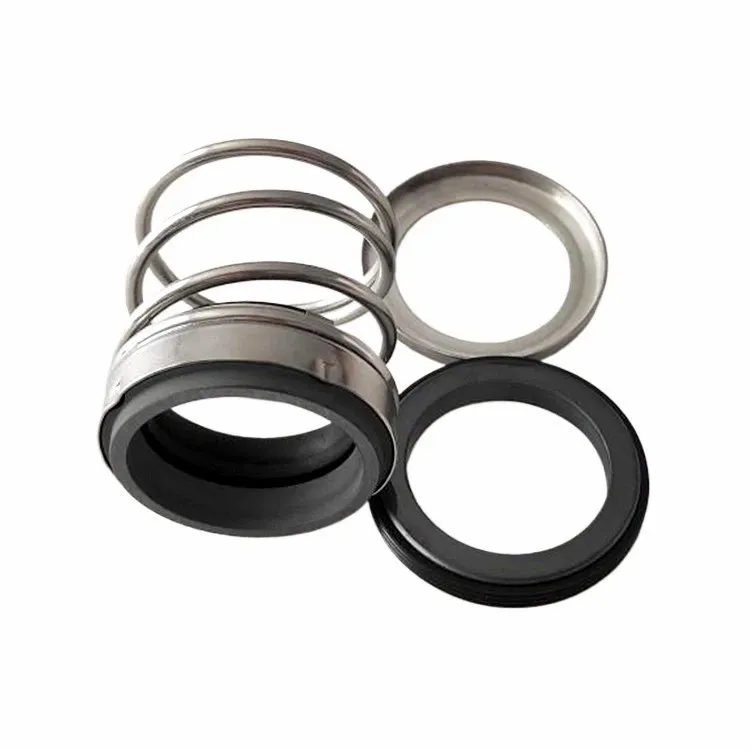
Single coil mechanical seals are designed to prevent the leakage of fluids in pumps and other rotating machinery. They consist of a stationary seal face and a rotating seal face, which are held together by a coil spring. The coil spring provides the necessary force to maintain contact between the seal faces, creating a seal that prevents the leakage of fluids.
The performance of a single coil mechanical seal is highly dependent on the pressure it can withstand. The pressure limits of a single coil mechanical seal are determined by several factors, including the design of the seal, the materials used, and the operating conditions.
Factors Affecting Pressure Limits
Seal Design
The design of a single coil mechanical seal plays a significant role in determining its pressure limits. The shape and size of the seal faces, the type of coil spring used, and the overall construction of the seal can all affect its ability to withstand pressure. For example, a seal with a larger seal face area may be able to withstand higher pressures than a seal with a smaller seal face area.
Materials
The materials used in the construction of a single coil mechanical seal also have a significant impact on its pressure limits. The seal faces are typically made of hard materials such as carbon, ceramic, or silicon carbide, which are able to withstand high pressures and resist wear. The coil spring is usually made of a corrosion-resistant material such as stainless steel, which can maintain its elasticity under high pressures.
Operating Conditions
The operating conditions of a single coil mechanical seal can also affect its pressure limits. Factors such as temperature, fluid viscosity, and the presence of abrasive particles in the fluid can all impact the performance of the seal. For example, high temperatures can cause the materials in the seal to expand, which can reduce the effectiveness of the seal. Abrasive particles in the fluid can also cause wear on the seal faces, which can lead to leakage.
Determining Pressure Limits
To determine the pressure limits of a single coil mechanical seal, it is important to consider the specific application and operating conditions. The manufacturer of the seal can provide guidelines and specifications for the maximum pressure that the seal can withstand. These guidelines are typically based on laboratory testing and real-world experience.
In addition to the manufacturer's guidelines, it is also important to consider the safety factor when determining the pressure limits of a single coil mechanical seal. A safety factor is a multiplier that is applied to the maximum pressure that the seal is expected to encounter in normal operation. This provides a margin of safety to account for unexpected variations in pressure or other operating conditions.
Applications and Pressure Requirements
Single coil mechanical seals are used in a wide range of applications, each with its own specific pressure requirements. Some common applications include:
Water Pumps
Water pumps are one of the most common applications for single coil mechanical seals. In water pump applications, the pressure limits of the seal are typically determined by the head pressure of the pump. The head pressure is the pressure that the pump is able to generate, and it is typically measured in feet or meters of water. For example, a water pump with a head pressure of 100 feet may require a single coil mechanical seal that is able to withstand a pressure of at least 43.3 psi (pounds per square inch).
If you are looking for a high-speed mechanical seal for a waste water pump, you can check out our MOR SEV High Speed Mechanical Seal for Waste Water Pump. This seal is designed to withstand high pressures and high speeds, making it ideal for waste water pump applications.
High Pressure Pumps
High pressure pumps are used in a variety of industries, including oil and gas, chemical processing, and power generation. In high pressure pump applications, the pressure limits of the seal are typically much higher than in water pump applications. For example, a high pressure pump in the oil and gas industry may require a single coil mechanical seal that is able to withstand pressures of up to 5000 psi.
Our MOR Wilo High Pressure Pump Mechanical Seal is specifically designed for high pressure pump applications. This seal is made of high-quality materials and is able to withstand extreme pressures, ensuring reliable performance in demanding environments.
Marine Applications
Single coil mechanical seals are also used in marine applications, such as sewage pumps on ships. In marine applications, the seal must be able to withstand the harsh conditions of the marine environment, including saltwater corrosion and high pressures. For example, a sewage pump on a ship may require a single coil mechanical seal that is able to withstand pressures of up to 100 psi.
Our Equivalent to John Crane Type 21 Single Marine Mechanical Seal for Sewage Pump is a reliable choice for marine applications. This seal is designed to meet the specific requirements of sewage pumps on ships, providing a leak-free solution in a challenging environment.
Importance of Adhering to Pressure Limits
Adhering to the pressure limits of a single coil mechanical seal is crucial for ensuring its proper functioning and longevity. If the seal is subjected to pressures that exceed its limits, it can lead to premature failure, leakage, and other problems. This can result in costly downtime, repairs, and replacement of the seal.
In addition to the cost of repairs and replacement, exceeding the pressure limits of a single coil mechanical seal can also pose a safety risk. Leakage of fluids can lead to environmental contamination, fire, and other hazards. Therefore, it is important to carefully consider the pressure requirements of the application and select a seal that is able to withstand the expected pressures.
Conclusion
Understanding the pressure limits of a single coil mechanical seal is essential for ensuring its proper functioning and longevity. The pressure limits of a single coil mechanical seal are determined by several factors, including the design of the seal, the materials used, and the operating conditions. By carefully considering these factors and selecting a seal that is appropriate for the specific application, you can ensure reliable performance and minimize the risk of failure.
If you are in need of a single coil mechanical seal for your application, please feel free to contact us to discuss your requirements. Our team of experts can help you select the right seal for your needs and provide you with the support and guidance you need to ensure its proper installation and operation.
References
- Mechanical Seals Handbook, John A. Sisson
- Sealing Technology for Rotating Equipment, Robert N. Johnson


