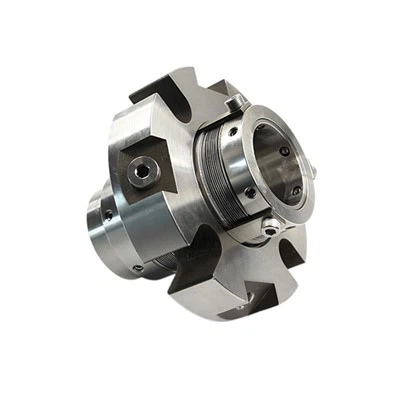
Hey there! As a chemical seal supplier, I've seen firsthand how temperature can have a huge impact on the performance of these crucial components. In this blog post, I'm gonna break down the effects of temperature on chemical seals and share some insights to help you make the most of these products.
Understanding Chemical Seals
First off, let's quickly go over what chemical seals are. Chemical seals are used in a wide range of industries, including chemical processing, oil and gas, and food and beverage. They're designed to isolate pressure-measuring instruments from the process media, protecting them from corrosion, abrasion, and other types of damage. Chemical seals are typically made up of a diaphragm, a filling fluid, and a connection to the pressure instrument.
How Temperature Affects Chemical Seals
Now, let's get into the main topic: how temperature affects the performance of chemical seals. Temperature can have several different effects on these seals, and it's important to understand each of them to ensure optimal performance.
1. Viscosity of the Filling Fluid
The filling fluid in a chemical seal plays a crucial role in transferring pressure from the process media to the pressure instrument. Temperature can have a significant impact on the viscosity of this fluid. As the temperature increases, the viscosity of most fluids decreases. This can lead to several issues.
For example, if the viscosity becomes too low, the fluid may leak through the diaphragm or other seals in the system. This can not only cause inaccurate pressure readings but also lead to contamination of the process media. On the other hand, if the temperature is too low, the viscosity of the fluid may increase to the point where it becomes difficult to transfer pressure effectively. This can result in sluggish or inaccurate pressure measurements.
2. Expansion and Contraction of Materials
Another important effect of temperature is the expansion and contraction of materials. All materials expand when heated and contract when cooled, and this can have a big impact on the performance of chemical seals.
The diaphragm in a chemical seal is a critical component, and it needs to be able to withstand the pressure and temperature changes in the system. If the temperature changes too rapidly or too significantly, the diaphragm may expand or contract unevenly. This can cause stress on the diaphragm, leading to cracks or other types of damage. Over time, this can result in leaks and reduced performance of the seal.
3. Chemical Compatibility
Temperature can also affect the chemical compatibility between the filling fluid, the diaphragm, and the process media. Some chemicals may become more reactive at higher temperatures, which can lead to corrosion or degradation of the seal components.
For example, if the process media contains a corrosive chemical, the higher temperature may accelerate the corrosion process. This can damage the diaphragm and other parts of the seal, reducing its lifespan and performance. It's important to choose a filling fluid and diaphragm material that are compatible with the process media at the expected temperature range.
4. Seal Integrity
Finally, temperature can have an impact on the overall integrity of the seal. High temperatures can cause the seals and gaskets in the system to degrade more quickly. This can lead to leaks, which can not only affect the accuracy of the pressure measurements but also pose a safety hazard in some applications.
Examples of Temperature Effects on Specific Chemical Seals
Let's take a look at some specific examples of how temperature can affect different types of chemical seals.
MOR 105 Chemical Mechanical Seal for Caustic Pump
The MOR 105 Chemical Mechanical Seal for Caustic Pump is designed for use in caustic pump applications. In these applications, the temperature can vary depending on the process conditions.


If the temperature is too high, the filling fluid in the seal may become less viscous, increasing the risk of leakage. Additionally, the caustic nature of the process media may become more reactive at higher temperatures, potentially causing corrosion of the seal components. On the other hand, if the temperature is too low, the filling fluid may become too viscous, leading to inaccurate pressure measurements.
224 Double Acting Mechanical Seal for Centrifugal Pump
The 224 Double Acting Mechanical Seal for Centrifugal Pump is commonly used in centrifugal pump applications. These pumps can generate a significant amount of heat, which can affect the performance of the seal.
High temperatures can cause the materials in the seal to expand, potentially leading to misalignment or damage to the seal faces. This can result in leaks and reduced efficiency of the pump. Additionally, the filling fluid may degrade at high temperatures, reducing its ability to transfer pressure effectively.
MOR MG1 MB1 109 Mechanical Seal
The MOR MG1 MB1 109 Mechanical Seal is a versatile seal that can be used in a variety of applications. Temperature can have a similar impact on this seal as on the others.
In high-temperature applications, the diaphragm may be more prone to damage due to thermal expansion. The filling fluid may also become less viscous, increasing the risk of leakage. In low-temperature applications, the viscosity of the filling fluid may increase, affecting the accuracy of the pressure measurements.
Tips for Managing Temperature Effects
So, what can you do to manage the effects of temperature on chemical seals? Here are some tips:
1. Choose the Right Filling Fluid
Select a filling fluid that has a suitable viscosity range for the expected temperature conditions. There are different types of filling fluids available, each with its own temperature characteristics. Consult with your seal supplier to determine the best fluid for your application.
2. Select Appropriate Materials
Choose diaphragm and other seal components made from materials that can withstand the temperature and chemical conditions of the process. For example, some materials are more resistant to corrosion at high temperatures than others.
3. Monitor Temperature
Regularly monitor the temperature of the process media and the seal. This can help you detect any potential issues early and take corrective action before they cause significant problems.
4. Provide Adequate Cooling or Heating
In some cases, it may be necessary to provide additional cooling or heating to maintain the temperature within the optimal range for the seal. This can help ensure consistent performance and extend the lifespan of the seal.
Conclusion
In conclusion, temperature can have a significant impact on the performance of chemical seals. By understanding the effects of temperature on viscosity, material expansion, chemical compatibility, and seal integrity, you can take steps to manage these effects and ensure optimal performance of your seals.
If you're in the market for chemical seals or have any questions about how temperature may affect your specific application, don't hesitate to reach out. We're here to help you find the right solutions for your needs. Whether you're looking for the MOR 105 Chemical Mechanical Seal for Caustic Pump, the 224 Double Acting Mechanical Seal for Centrifugal Pump, or the MOR MG1 MB1 109 Mechanical Seal, we've got you covered. Let's start a conversation about your requirements and find the best chemical seals for your application.
References
- "Chemical Seals: Principles and Applications" - A technical guide on chemical seals and their performance factors.
- "Materials Science for Sealing Applications" - A book that discusses the effects of temperature on different sealing materials.