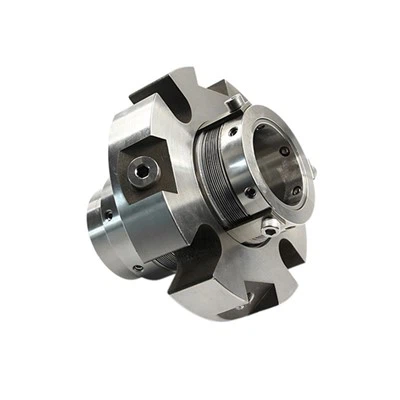
As a supplier of sewage pump seals, I often get asked about the installation process of these crucial components. A proper installation is not only essential for the optimal performance of the sewage pump but also for its longevity. In this blog, I'll walk you through the step - by - step installation process of a sewage pump seal.
Pre - installation Preparation
Before you start the installation, it's vital to gather all the necessary tools and materials. You'll need a set of wrenches, a torque wrench, a seal installation tool (if required), clean rags, and a suitable lubricant. Make sure the lubricant is compatible with the seal material to avoid any chemical reactions that could damage the seal.
Inspect the new sewage pump seal carefully. Check for any visible damage such as cracks, scratches, or deformities. Also, ensure that the seal you have is the correct type and size for your specific sewage pump model. You can refer to the pump's manual or technical specifications to confirm this.
Clean the pump housing and the shaft thoroughly. Any dirt, debris, or old seal remnants can interfere with the proper installation and functioning of the new seal. Use a clean rag and a suitable cleaning agent to remove all contaminants. A clean surface will ensure a tight and leak - free fit.
Removing the Old Seal
If you're replacing an old seal, the first step is to remove it. Start by disconnecting the power supply to the sewage pump to prevent any accidental starts. Then, remove the pump cover or any other components that are blocking access to the seal.
Use the appropriate wrenches to loosen and remove the bolts or fasteners holding the old seal in place. Be careful not to damage the pump housing or the shaft during this process. Once the fasteners are removed, gently pry the old seal out using a flat - head screwdriver or a seal removal tool. Take note of the orientation and position of the old seal so that you can install the new one correctly.
Preparing the New Seal
Before installing the new seal, apply a thin layer of the compatible lubricant to the sealing surfaces. This will make the installation easier and also help to prevent damage to the seal during the process. Pay special attention to the dynamic and static sealing faces.
If your sewage pump seal has a spring or other moving parts, make sure they are properly aligned and functioning correctly. Some seals, like the 502 Replacement Single Spring Bellow Mechanical Seal for Petrochemical Industry, have specific installation requirements for their spring mechanisms. Refer to the manufacturer's instructions for detailed guidance.
Installing the New Seal
Place the new seal onto the shaft or into the pump housing according to the correct orientation. Make sure it is seated evenly and flush with the mating surface. If the seal has a specific direction of installation, such as a one - way flow design, ensure it is installed in the correct direction.
Use the seal installation tool, if provided, to press the seal into place gently. Apply even pressure around the circumference of the seal to avoid any uneven installation that could lead to leaks. If you don't have an installation tool, you can use a block of wood and a hammer to tap the seal gently into position. However, be very careful not to hit the seal too hard, as this could damage it.
Once the seal is in place, check its position again to make sure it is centered and properly seated. Then, reinstall the pump cover or any other components that were removed earlier. Tighten the bolts or fasteners using the torque wrench to the specified torque value. Over - tightening can damage the seal, while under - tightening can result in leaks.
Testing the Installation
After the seal is installed, it's time to test the pump. Reconnect the power supply and start the pump. Observe the pump for any signs of leaks around the seal area. Check the pressure and flow rate of the pump to ensure it is operating within the normal range.
If you notice any leaks, shut down the pump immediately and check the installation. There could be an issue with the seal's alignment, the tightness of the fasteners, or the condition of the sealing surfaces. Make the necessary adjustments and repeat the testing process until the pump is operating without leaks.
Special Considerations for Different Types of Seals
There are various types of sewage pump seals available in the market, each with its own installation requirements. For example, the MOR MG13 Rubber Bellow Mechanical Seal has a rubber bellow that requires special handling. When installing this type of seal, make sure the rubber bellow is not twisted or pinched.
Another type is the Equivalent to type 2 mechanical seal. This seal may have different installation procedures regarding the alignment of its internal components. Always refer to the manufacturer's instructions for the specific type of seal you are installing.
Maintenance Tips after Installation
Once the sewage pump seal is installed and tested successfully, regular maintenance is crucial. Inspect the seal periodically for any signs of wear, damage, or leaks. Check the lubricant level and condition, and replenish or replace it as needed.


Keep the pump and its surroundings clean to prevent the ingress of dirt and debris. A dirty environment can accelerate the wear of the seal and lead to premature failure. Also, follow the recommended maintenance schedule for your sewage pump, which may include changing the seal at regular intervals.
Conclusion
Installing a sewage pump seal is a process that requires careful attention to detail. By following the steps outlined above and referring to the manufacturer's instructions, you can ensure a proper and leak - free installation. As a sewage pump seal supplier, I'm committed to providing high - quality seals and the necessary support to our customers.
If you're in the market for a sewage pump seal or need more information about the installation process, feel free to contact us for further assistance. We're here to help you choose the right seal for your application and ensure a smooth installation.
References
- Manufacturer's manuals for sewage pump seals
- Industry standards for sewage pump installation and maintenance