


Hey there! As a supplier of balanced seals, I've seen my fair share of issues when it comes to these crucial components. Balanced seals are used in a wide range of applications, from pumps to reactors, and keeping them in good working condition is super important. In this blog, I'm gonna walk you through some common repair methods for balanced seals.
Understanding Balanced Seals First
Before we dive into the repair methods, let's quickly go over what balanced seals are. A balanced seal is designed to reduce the face loading and friction, which helps to extend the seal's life and improve its performance. It works by balancing the hydraulic forces acting on the seal faces, which reduces wear and tear.
Common Problems with Balanced Seals
There are a few common problems that can occur with balanced seals. One of the most common is leakage. Leakage can happen due to a variety of reasons, such as worn seal faces, damaged O - rings, or improper installation. Another issue is excessive heat generation. If the seal faces are not properly lubricated or if there's too much friction, it can lead to overheating, which can damage the seal. Also, vibration can cause problems. If the equipment is vibrating too much, it can cause the seal faces to separate or misalign, leading to leakage.
Repair Methods
1. Inspection
The first step in any repair process is a thorough inspection. You gotta take the seal apart and carefully examine each component. Check the seal faces for signs of wear, such as scratches, grooves, or pitting. If the seal faces are worn beyond a certain point, they'll need to be replaced. Also, inspect the O - rings and gaskets for any signs of damage, like cuts, tears, or swelling. Damaged O - rings can be a major cause of leakage, so it's important to replace them if necessary.
2. Cleaning
Once you've inspected the seal, the next step is cleaning. Use a suitable cleaning agent to remove any dirt, debris, or contaminants from the seal components. Make sure to clean all the nooks and crannies, especially around the seal faces. You can use a soft brush or a cloth to gently scrub the components. After cleaning, rinse the components thoroughly with clean water and let them dry completely before reassembling.
3. Resurfacing Seal Faces
If the seal faces are only slightly worn, you might be able to resurface them instead of replacing them. Resurfacing involves using a lapping machine or a fine - grit abrasive to smooth out the seal faces. This can help to restore the flatness and smoothness of the faces, which is crucial for proper sealing. However, resurfacing requires some skill and the right equipment, so if you're not confident in doing it yourself, it's best to send the seal to a professional repair shop.
4. Replacing O - rings and Gaskets
As I mentioned earlier, damaged O - rings and gaskets are a common cause of leakage. So, if you find any signs of damage during the inspection, replace them right away. Make sure to use the correct size and material for the O - rings and gaskets. Different applications may require different types of materials, such as nitrile, Viton, or EPDM. Using the wrong material can lead to premature failure of the seal.
5. Reassembling the Seal
After cleaning, resurfacing (if necessary), and replacing the damaged components, it's time to reassemble the seal. Make sure to follow the manufacturer's instructions carefully. Apply a thin layer of lubricant to the seal faces and O - rings to reduce friction during operation. Also, make sure all the components are properly aligned and tightened to the correct torque. Over - tightening or under - tightening can cause problems, so use a torque wrench if possible.
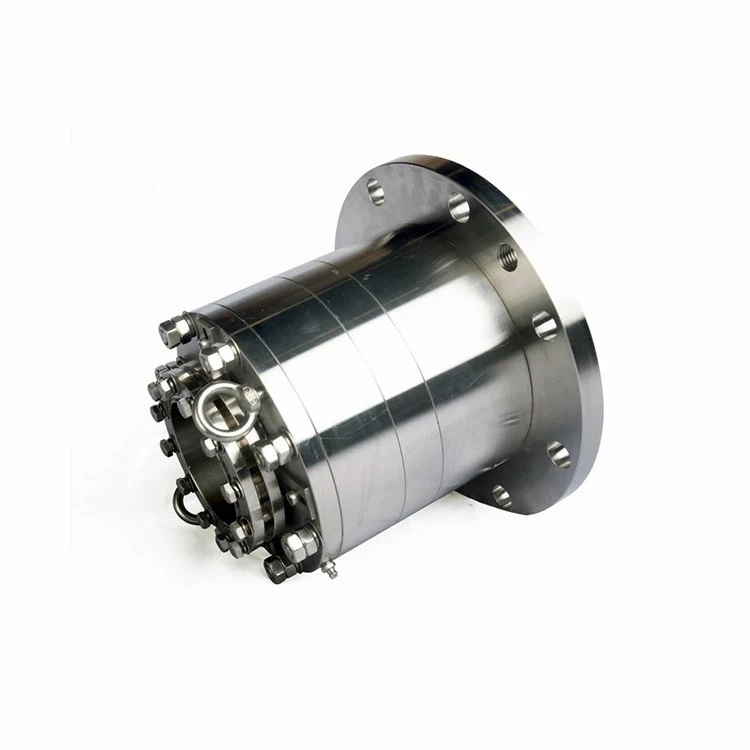

Specific Seal Types and Their Repair Considerations
FFGD Single Cartridge Mechanical Seal For Suler MSD Pump
The FFGD Single Cartridge Mechanical Seal For Suler MSD Pump is a popular choice for many pumping applications. When repairing this type of seal, pay special attention to the cartridge design. The cartridge is designed to be a self - contained unit, which makes installation and repair easier. However, you still need to ensure that all the internal components are in good condition. Check the springs for proper tension and the secondary seals for any signs of damage.
MOR Cartex universal mechanical seal
The MOR Cartex universal mechanical seal is known for its versatility. It can be used in a wide range of applications. When repairing this seal, focus on the universal design features. Make sure that the seal can adapt to different shaft sizes and operating conditions. Check the dynamic and static sealing elements to ensure they are functioning properly.
MOR CK267 double mechanical seal for reactor
The MOR CK267 double mechanical seal for reactor is used in more demanding applications, such as reactors. When repairing this seal, you need to be extra careful. The double - seal design provides an extra layer of protection, but it also means there are more components to inspect and maintain. Check the barrier fluid system, as it plays a crucial role in the proper functioning of the double seal. Make sure the pressure and flow of the barrier fluid are within the recommended range.
Preventive Maintenance
Repairing balanced seals is important, but preventive maintenance is even better. Regularly inspect your seals for signs of wear and tear. Keep the equipment clean and well - lubricated. Follow the manufacturer's recommended maintenance schedule. By doing these things, you can extend the life of your balanced seals and reduce the likelihood of costly repairs.
Conclusion
Well, that's a wrap on the repair methods for balanced seals. I hope this blog has been helpful to you. If you're having any issues with your balanced seals or if you're looking to purchase new ones, don't hesitate to reach out. We're here to help you find the best solutions for your sealing needs. Whether it's the FFGD Single Cartridge Mechanical Seal For Suler MSD Pump, the MOR Cartex universal mechanical seal, or the MOR CK267 double mechanical seal for reactor, we've got you covered. Contact us for more information and let's start a great business relationship!
References
- Mechanical Seals Handbook by John Dickson
- Sealing Technology for Rotating Equipment by Allan E. Day


