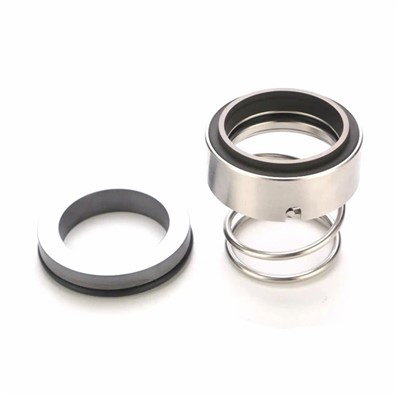
Optimizing the power consumption of a single coil mechanical seal is crucial for both operational efficiency and cost - effectiveness. As a single coil mechanical seal supplier, I've witnessed firsthand the impact that proper optimization can have on a system's overall performance. In this blog, I'll share some practical strategies to help you reduce power consumption and make the most of your single coil mechanical seals.
Understanding Single Coil Mechanical Seals
Before delving into optimization techniques, it's important to have a basic understanding of single coil mechanical seals. These seals are designed to prevent the leakage of fluids in various industrial applications, such as pumps, compressors, and mixers. The single coil design typically consists of a rotating and a stationary face, with a coil spring providing the necessary axial force to maintain contact between the two faces. This contact creates a seal that keeps the fluid inside the system and reduces the risk of leaks, which can lead to power losses and other operational issues.
Analyzing and Controlling Seal Face Pressure
The pressure between the seal faces plays a significant role in power consumption. If the pressure is too high, it can cause excessive friction, leading to increased power usage and premature wear of the seal faces. On the other hand, if the pressure is too low, it may result in leakage, also affecting the system's efficiency.
To optimize seal face pressure, it's essential to conduct a thorough analysis of the operating conditions. This includes factors such as fluid pressure, temperature, and the rotational speed of the equipment. Based on this analysis, you can select a single coil mechanical seal with the appropriate spring force to maintain the optimal seal face pressure. Additionally, consider using a pressure - control mechanism to adjust the pressure as needed during operation. This can help ensure that the seal operates at peak efficiency under different conditions.
Maintaining Proper Lubrication
Lubrication is another critical factor in reducing power consumption. Adequate lubrication between the seal faces can significantly reduce friction and heat generation, thereby decreasing the amount of power required to operate the equipment.
There are two main types of lubrication for single coil mechanical seals: liquid lubrication and gas lubrication. Liquid lubrication is commonly used in applications where the sealed fluid can act as a lubricant. In such cases, it's important to ensure that the fluid has the right viscosity and chemical properties to provide effective lubrication. Gas lubrication, on the other hand, is used in applications where the sealed fluid is not suitable for lubrication or where a dry running seal is required.
Regularly monitor the lubrication conditions of the seal. Check for any signs of contamination, such as debris or particles in the lubricant, as this can increase friction and power consumption. If necessary, replace the lubricant or clean the seal faces to maintain optimal lubrication.
Selecting the Right Materials
The materials used in the construction of single coil mechanical seals can have a significant impact on power consumption. Different materials have different coefficients of friction, wear resistance, and chemical compatibility.
For the seal faces, materials such as carbon, silicon carbide, and tungsten carbide are commonly used. Carbon has a relatively low coefficient of friction, making it a good choice for reducing power consumption. However, it may not be suitable for high - temperature or high - pressure applications. Silicon carbide and tungsten carbide, on the other hand, offer excellent wear resistance and can withstand more extreme operating conditions, but they may have a slightly higher coefficient of friction.
When selecting materials for the seal components, consider the specific operating conditions of your application. Choose materials that offer a good balance between low friction, wear resistance, and chemical compatibility. This can help ensure that the seal operates efficiently and consumes less power over its lifespan.
Monitoring and Maintenance
Regular monitoring and maintenance are essential for optimizing the power consumption of single coil mechanical seals. By monitoring key parameters such as temperature, vibration, and leakage, you can detect any potential issues early and take corrective action before they lead to significant power losses or equipment failure.
Install sensors to continuously monitor the operating conditions of the seal. These sensors can provide real - time data on temperature, pressure, and other important variables. Analyze this data regularly to identify any trends or anomalies that may indicate a problem with the seal.
In addition to monitoring, perform regular maintenance tasks such as cleaning, inspection, and replacement of worn parts. This can help keep the seal in good working condition and ensure that it operates at peak efficiency.


Case Studies and Product Recommendations
Let's take a look at some of our products that can help optimize power consumption. For example, the Equivalent to M32 sewage pump mechanical seal is designed for use in sewage pumps. It features a carefully engineered single coil design and high - quality materials that reduce friction and power consumption. This seal is also highly resistant to wear and corrosion, ensuring long - term reliability.
Another great option is the MOR SEV High Speed Mechanical Seal for Waste Water Pump. This seal is specifically designed for high - speed applications in wastewater pumps. It uses advanced lubrication techniques and lightweight materials to minimize power consumption while maintaining excellent sealing performance.
If you're looking for a replacement for your existing oil and gas rubber bellow seal, the Replacement for Type 8 Oil and Gas Rubber Bellow Seal is an ideal choice. It offers a more efficient single coil design that reduces power usage and provides a better seal, even in harsh oil and gas environments.
Conclusion
Optimizing the power consumption of a single coil mechanical seal requires a comprehensive approach that includes understanding the seal's operation, controlling seal face pressure, maintaining proper lubrication, selecting the right materials, and performing regular monitoring and maintenance. By implementing these strategies and choosing the right products, you can significantly reduce power consumption, improve the efficiency of your equipment, and extend the lifespan of your single coil mechanical seals.
If you're interested in learning more about our single coil mechanical seals or have any questions about optimizing power consumption, we'd love to hear from you. Feel free to reach out to us for more information, and let's start a conversation about how we can help you achieve your operational and cost - saving goals.
References
- "Mechanical Seals: Principles and Applications" by John A. S. Pearson
- "Handbook of Seal Technology" edited by Neil H. Adams
- Industry research reports on mechanical seal performance and efficiency