


In the realm of industrial engineering, the efficient and reliable operation of equipment in cryogenic applications is of utmost importance. Cryogenic systems, which involve extremely low temperatures, present unique challenges that demand specialized solutions. One such critical component in these systems is the double mechanical seal. As a leading double mechanical seal supplier, I am excited to delve into the intricacies of how these seals work in cryogenic applications.
Understanding Cryogenic Applications
Cryogenic applications typically involve temperatures below -150°C (-238°F). These low temperatures are commonly encountered in industries such as liquefied natural gas (LNG) production, aerospace, and medical research. In these environments, traditional sealing solutions may fail due to the extreme cold, which can cause materials to become brittle, lose elasticity, and experience significant changes in dimensions.
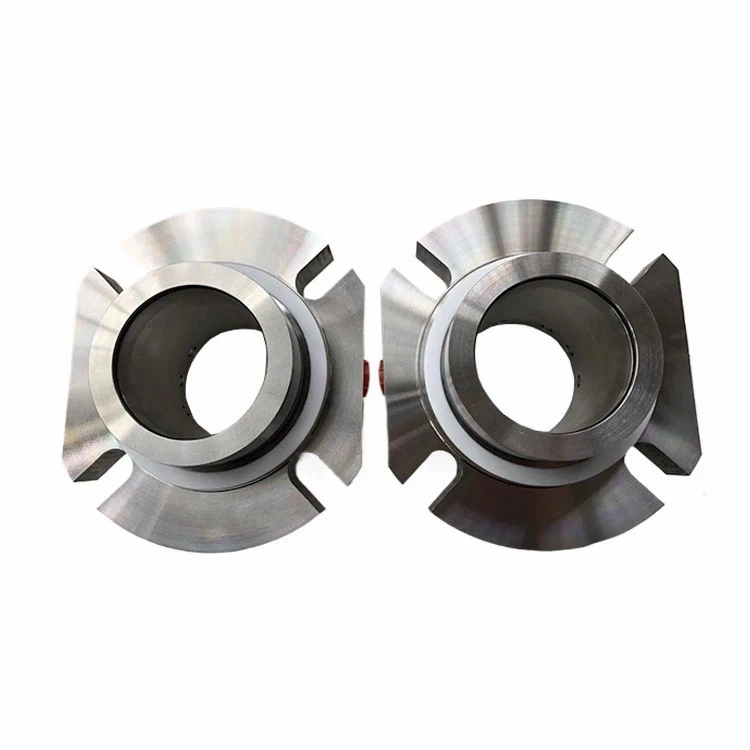

What is a Double Mechanical Seal?
A double mechanical seal is a type of sealing device that consists of two sets of sealing faces arranged in tandem. This design provides an additional layer of protection against leakage compared to single mechanical seals. The two seals are separated by a barrier fluid, which serves multiple purposes, including lubrication, cooling, and preventing the process fluid from reaching the atmosphere.
How Does a Double Mechanical Seal Work in Cryogenic Applications?
1. Seal Arrangement
In cryogenic applications, the double mechanical seal is typically arranged in a tandem configuration. This means that the two seals are placed one behind the other, with the barrier fluid between them. The primary seal faces the process fluid, while the secondary seal provides a backup in case the primary seal fails.
2. Material Selection
The materials used in double mechanical seals for cryogenic applications are carefully chosen to withstand the extreme cold. The seal faces are often made of materials such as silicon carbide or tungsten carbide, which have excellent wear resistance and low friction coefficients. The elastomers used in the seals are also selected for their ability to maintain flexibility at low temperatures. For example, perfluoroelastomers (FFKM) are commonly used due to their excellent chemical resistance and low-temperature performance.
3. Barrier Fluid System
The barrier fluid system is a crucial component of the double mechanical seal in cryogenic applications. The barrier fluid is typically a clean, compatible fluid that is maintained at a higher pressure than the process fluid. This pressure differential ensures that the barrier fluid flows towards the process fluid, preventing the process fluid from leaking into the atmosphere. The barrier fluid also serves as a lubricant and coolant for the seal faces, reducing friction and heat generation.
4. Cooling and Insulation
Cryogenic applications require effective cooling and insulation to maintain the low temperatures. The double mechanical seal is often designed with cooling channels or jackets to remove heat generated during operation. Insulation materials may also be used to minimize heat transfer from the surrounding environment to the seal.
5. Monitoring and Control
To ensure the reliable operation of the double mechanical seal in cryogenic applications, continuous monitoring and control are essential. Sensors are used to measure parameters such as temperature, pressure, and leakage rate. This data is then used to detect any potential issues and take corrective actions before they lead to seal failure.
Benefits of Using Double Mechanical Seals in Cryogenic Applications
1. Enhanced Leakage Prevention
The tandem arrangement of the double mechanical seal provides an additional layer of protection against leakage, reducing the risk of environmental contamination and ensuring the safety of personnel.
2. Improved Reliability
The use of high-quality materials and a well-designed barrier fluid system enhances the reliability of the double mechanical seal in cryogenic applications. This reduces downtime and maintenance costs, improving the overall efficiency of the process.
3. Compatibility with Cryogenic Fluids
The materials used in double mechanical seals for cryogenic applications are carefully selected to be compatible with the process fluid. This ensures that the seal performs effectively and does not degrade over time.
Our Double Mechanical Seal Products for Cryogenic Applications
As a double mechanical seal supplier, we offer a range of products specifically designed for cryogenic applications. Our MOR Cartex universal mechanical seal is a versatile solution that can be used in a variety of cryogenic systems. It features a compact design and high-performance materials, making it suitable for demanding applications.
Our MOR SB2 Double Tandem Mechanical Seal for Pump is another excellent option for cryogenic pumps. It provides reliable sealing performance and is easy to install and maintain.
For applications where a single cartridge seal is required, our MOR 318 Single Cartridge Mechanical Seal offers a cost-effective solution. It is designed to provide long-lasting performance in cryogenic environments.
Conclusion
Double mechanical seals play a vital role in ensuring the safe and efficient operation of equipment in cryogenic applications. By understanding how these seals work and the key considerations in their design and operation, you can make informed decisions when selecting a double mechanical seal for your cryogenic system. As a trusted double mechanical seal supplier, we are committed to providing high-quality products and excellent customer service. If you have any questions or would like to discuss your specific requirements, please do not hesitate to contact us for a procurement consultation.
References
- "Mechanical Seals: Principles and Applications" by John O. Blake
- "Cryogenic Engineering" by Richard W. Swift
- "Sealing Technology Handbook" by Peter A. Schweitzer


