


Hey there! I'm from a dry gas seal supplier, and today I wanna chat about how to adapt dry gas seals to gas composition changes. It's a pretty crucial topic in our industry, as gas composition can vary quite a bit in different applications, and our dry gas seals need to keep up.
First off, let's understand why gas composition changes matter. Different gases have different physical and chemical properties. For example, some gases are more corrosive, some have different molecular weights, and some might have different solubility characteristics. These properties can affect the performance and lifespan of dry gas seals. If we don't adapt the seals properly, we could end up with seal failures, which can lead to all sorts of problems like leaks, reduced compressor efficiency, and even safety hazards.
One of the key factors we need to consider is the corrosiveness of the gas. Some gases, like hydrogen sulfide or chlorine, can be extremely corrosive to the seal materials. When the gas composition changes to include more of these corrosive components, we need to select seal materials that can withstand the corrosion. For instance, we might use special alloys or coatings on the seal faces. Our MOR 2GTA Compressor Dry Gas Seal is designed with materials that can handle a wide range of gas compositions, including those with some level of corrosiveness. The engineers behind this seal have done a great job of choosing materials that resist corrosion while still maintaining the necessary sealing performance.
Another important aspect is the molecular weight of the gas. Gases with different molecular weights have different flow characteristics. A gas with a higher molecular weight might flow more slowly than a gas with a lower molecular weight. This can affect the way the seal operates. When the gas composition changes to a gas with a different molecular weight, we might need to adjust the seal design to ensure proper lubrication and cooling. For example, we might need to change the geometry of the seal faces or the size of the flow channels. Our MOR 1GD21 Dry Gas Seal is flexible in this regard. Its design allows for some adaptation to changes in gas molecular weight, which is really handy when dealing with varying gas compositions.
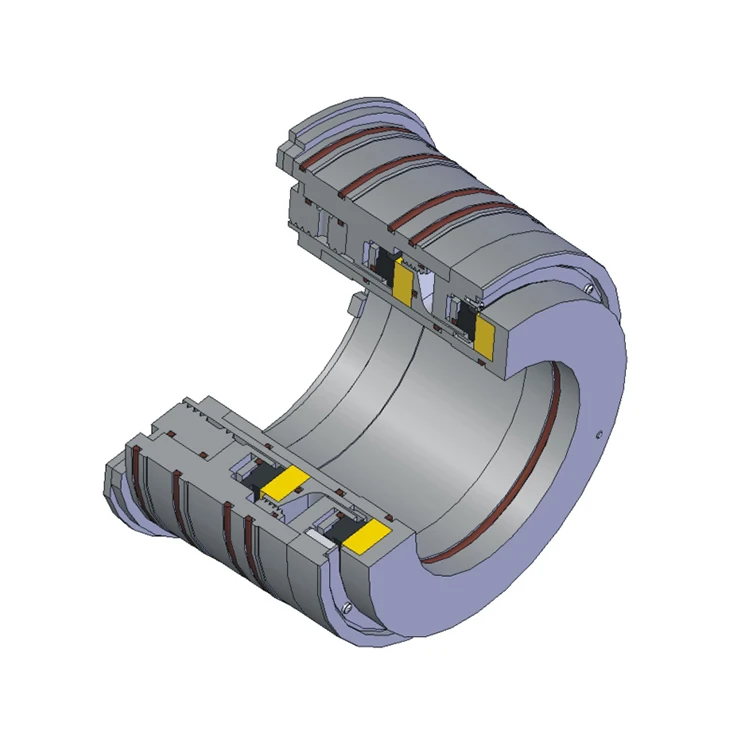

Solubility is also a factor. Some gases can dissolve in the lubricating fluid used in the seal system. If the gas composition changes to include more of these soluble gases, it can change the properties of the lubricating fluid. This can affect the lubrication and sealing performance. We need to monitor the solubility of the gases and make sure the lubricating fluid is still suitable. In some cases, we might need to change the lubricating fluid or add additives to maintain its properties. Our technical team is always on top of these solubility issues and can provide guidance on how to handle them when adapting our dry gas seals to gas composition changes.
Now, let's talk about the process of adapting dry gas seals to gas composition changes. The first step is to analyze the new gas composition. We use advanced analytical techniques to determine the exact components of the gas and their concentrations. This information is crucial for making the right decisions about seal material selection, design adjustments, and lubricating fluid choices.
Once we have the gas composition data, we work with our engineering team to come up with a customized solution. We don't just rely on standard designs; we tailor the seals to the specific gas composition requirements. This might involve making small modifications to an existing seal design or even developing a completely new seal. For example, if the new gas composition has a high concentration of a corrosive gas, we might recommend using a 1GD22 Face To Face Dry Gas Seal with a special corrosion-resistant coating.
After the seal is designed and manufactured, we test it thoroughly. We simulate the actual operating conditions with the new gas composition to make sure the seal performs as expected. This testing phase is really important because it allows us to catch any potential issues before the seal is installed in the field.
In addition to these technical aspects, we also provide ongoing support to our customers. We offer training on how to monitor the gas composition and the performance of the dry gas seals. We also have a team of experts who can be called upon for troubleshooting if any problems arise.
So, if you're dealing with gas composition changes in your compressor system and need dry gas seals that can adapt, don't hesitate to get in touch. We've got the expertise and the products to help you out. Whether it's a simple adjustment to an existing seal or a brand-new custom design, we're here to ensure that your dry gas seals work effectively with the changing gas compositions.
In conclusion, adapting dry gas seals to gas composition changes is a complex but manageable task. By understanding the properties of different gases, analyzing the gas composition, and using the right materials and designs, we can ensure that our dry gas seals perform well in various gas environments. If you have any questions or need more information about our dry gas seals and how they can adapt to your specific gas composition, just reach out. We're eager to have a chat and find the best solution for you.
References
- Industry research on dry gas seal materials and their performance in different gas compositions.
- Internal engineering reports on the design and testing of our dry gas seals.


