What are the sealing capabilities of a cartridge seal?
In the industrial realm, where the efficient and reliable operation of machinery is paramount, cartridge seals play a crucial role. As a leading cartridge seal supplier, we understand the significance of these components and their sealing capabilities. This blog aims to delve into the intricacies of the sealing capabilities of cartridge seals, exploring their design, performance, and applications.
Design and Structure
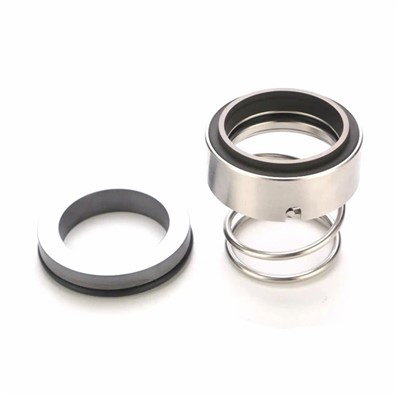
Cartridge seals are pre - assembled units that are designed for easy installation and replacement. They typically consist of a seal face, secondary sealing elements (such as O - rings or gaskets), a gland plate, and a sleeve. The pre - assembled nature of cartridge seals eliminates the need for complex on - site adjustments, reducing installation time and the risk of human error.
The seal faces are the heart of the cartridge seal. They are usually made of hard and wear - resistant materials such as silicon carbide, tungsten carbide, or ceramic. These materials are chosen for their ability to withstand high pressures, temperatures, and abrasive media. The mating of the seal faces creates a barrier that prevents the leakage of fluids.
The secondary sealing elements are responsible for preventing leakage around the periphery of the seal faces. O - rings are commonly used due to their excellent sealing properties and flexibility. They are made of materials such as nitrile rubber, fluorocarbon rubber (Viton), or ethylene propylene diene monomer (EPDM), depending on the chemical compatibility with the fluid being sealed and the operating conditions.
Sealing Performance
The sealing capabilities of a cartridge seal are primarily measured by its ability to prevent leakage. Leakage can occur in two main forms: through - leakage, which is the passage of fluid between the seal faces, and around - leakage, which is the leakage around the secondary sealing elements.
The performance of a cartridge seal is influenced by several factors, including the pressure differential across the seal, the temperature of the fluid, the speed of the rotating shaft, and the chemical nature of the fluid. High - pressure applications require seals with robust design and materials that can withstand the force exerted by the fluid. For example, in oil and gas pipelines, where pressures can reach several thousand pounds per square inch, cartridge seals must be able to maintain a tight seal to prevent costly leaks.
Temperature also has a significant impact on the sealing capabilities of a cartridge seal. Extreme temperatures can cause the materials of the seal to expand or contract, which may lead to leakage. In high - temperature applications, such as in chemical reactors, seals made of materials with high thermal stability are required. For instance, silicon carbide seal faces are often used because they can withstand temperatures up to 1000°C without significant degradation.
The speed of the rotating shaft affects the wear rate of the seal faces. High - speed applications generate more friction, which can lead to increased wear and reduced sealing performance. To address this issue, seals are designed with features such as hydrodynamic grooves or balanced designs to reduce friction and heat generation.
The chemical nature of the fluid being sealed is another critical factor. Corrosive fluids can attack the materials of the seal, causing degradation and leakage. Therefore, the selection of materials for the seal faces and secondary sealing elements must be based on the chemical compatibility with the fluid. For example, in applications involving strong acids, seals made of fluorocarbon rubber or ceramic materials are preferred due to their excellent chemical resistance.
Applications
Cartridge seals find wide applications in various industries, including oil and gas, chemical processing, power generation, and water treatment.
In the oil and gas industry, cartridge seals are used in pumps, compressors, and valves to prevent the leakage of hydrocarbons. For example, in offshore oil platforms, pumps are used to transfer crude oil from the wellhead to storage facilities. Cartridge seals ensure that these pumps operate efficiently and safely, preventing environmental pollution and costly downtime. Our MOR 5610 mechanical seal is specifically designed for such applications, offering high - performance sealing in harsh oil and gas environments.
In the chemical processing industry, cartridge seals are used to handle a wide range of corrosive and toxic chemicals. Reactors, mixers, and transfer pumps in chemical plants require reliable seals to prevent the leakage of hazardous substances. Our MOR 8B1D reactor double mechanical seal is a popular choice for chemical reactor applications, providing double - protection sealing to ensure the safety of the process.
Power generation plants, whether they are fossil - fuel, nuclear, or renewable energy - based, rely on cartridge seals for the proper functioning of their pumps and turbines. In steam turbines, for example, seals are used to prevent the leakage of steam, which can reduce the efficiency of the turbine. Cartridge seals in power plants must be able to withstand high temperatures and pressures, as well as the presence of contaminants in the steam.
In water treatment plants, cartridge seals are used in pumps and valves to handle water and wastewater. These seals must be able to resist the effects of water, chemicals used in the treatment process, and suspended solids. Our MOR SB2 Double Tandem Mechanical Seal for Pump is suitable for water treatment applications, offering reliable sealing and long - term performance.
Advantages of Cartridge Seals
One of the main advantages of cartridge seals is their ease of installation. Since they are pre - assembled, they can be quickly and easily installed on the equipment without the need for specialized tools or extensive training. This reduces downtime during maintenance and installation, resulting in cost savings for the end - user.
Another advantage is their reliability. The pre - assembled design ensures that the seal is properly aligned and adjusted, reducing the risk of leakage due to incorrect installation. Additionally, the use of high - quality materials and advanced manufacturing techniques enhances the durability and performance of the seal.


Cartridge seals also offer better sealing performance compared to traditional seals. The design of the seal faces and secondary sealing elements is optimized to provide a more effective seal, even under challenging operating conditions. This results in reduced leakage and improved efficiency of the equipment.
Contact for Procurement
If you are in need of high - quality cartridge seals for your industrial applications, we are here to help. Our team of experts can provide you with detailed information about our products, including their specifications, performance, and suitability for your specific needs. We offer a wide range of cartridge seals, including the MOR 5610 mechanical seal, MOR SB2 Double Tandem Mechanical Seal for Pump, and MOR 8B1D reactor double mechanical seal. Contact us today to start a procurement discussion and find the best sealing solutions for your business.
References
- "Mechanical Seals Handbook" by John A. S. Pearson
- "Sealing Technology for Rotating Equipment" by Robert A. Higgins
- Industry - specific standards and guidelines for cartridge seals, such as API 682.