


Hey there! As a supplier of mixer mechanical seals, I often get asked about how to adjust the compression of these seals. It's a crucial aspect that can significantly impact the performance and lifespan of the mechanical seal. So, let's dive right into it and explore the ins and outs of adjusting the compression of a mixer mechanical seal.
First off, why is compression adjustment so important? Well, the right amount of compression ensures a proper seal between the rotating and stationary parts of the mixer. If the compression is too low, there'll be leakage, which can lead to loss of the medium being mixed, contamination, and even damage to the equipment. On the other hand, if the compression is too high, it can cause excessive wear on the seal faces, increased friction, and higher energy consumption. So, finding that sweet spot is key.
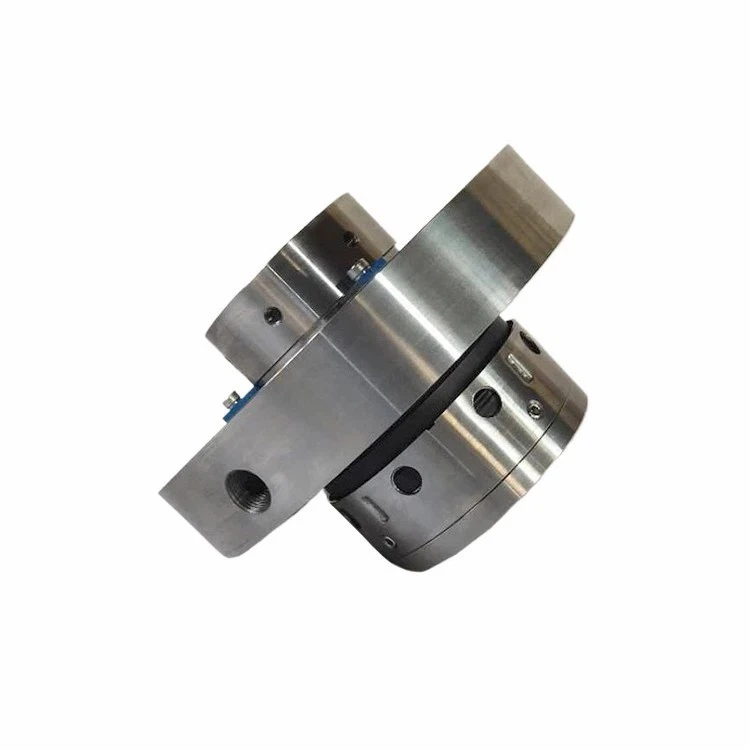

Before we start adjusting the compression, we need to gather the necessary tools. You'll typically need a set of wrenches, a feeler gauge, and a torque wrench. These tools will help you make accurate adjustments and ensure that everything is tightened to the correct specifications.
The first step in the process is to locate the compression adjustment mechanism on the mechanical seal. This can vary depending on the type and model of the seal. Some seals have adjustable gland plates, while others may have set screws or bolts that can be used to change the compression. Once you've found the adjustment mechanism, it's time to start making some measurements.
Use the feeler gauge to measure the gap between the seal faces. This gap is known as the seal face clearance, and it's a critical parameter that affects the compression. The ideal clearance will depend on the specific application and the type of seal you're using. You can usually find the recommended clearance values in the seal manufacturer's documentation.
If the clearance is too large, it means the compression is too low, and you'll need to increase it. To do this, you can tighten the gland bolts or adjust the set screws in small increments. After each adjustment, re - measure the clearance using the feeler gauge. Keep making small adjustments and measurements until you reach the recommended clearance value.
Conversely, if the clearance is too small, the compression is too high. In this case, you'll need to loosen the gland bolts or adjust the set screws to reduce the compression. Again, make small adjustments and re - measure the clearance after each one.
It's important to note that when making these adjustments, you should use a torque wrench to ensure that the bolts are tightened to the correct torque. Over - tightening the bolts can cause damage to the seal and the equipment, while under - tightening can lead to leakage. Refer to the manufacturer's specifications for the recommended torque values.
Another thing to keep in mind is that the compression adjustment may need to be fine - tuned over time. As the seal wears in, the clearance may change, and you may need to make additional adjustments to maintain the proper compression. Regular inspections and maintenance are essential to ensure the long - term performance of the mechanical seal.
Now, let me introduce some of the great mixer mechanical seals we offer. We have the MOR HTM Mechanical Seal for Slurry Circulation Pump. This seal is specifically designed for slurry circulation pumps and offers excellent performance and reliability. It's built to withstand the harsh conditions of slurry applications and provides a tight seal to prevent leakage.
We also have the MOR H75N Mechanical Seal. This seal is ideal for use in reactors and other high - pressure applications. It has a robust design and is engineered to handle high pressures and temperatures, ensuring a long service life.
And then there's the MOR 8B1D Mechanical Seal. This seal is a popular choice for a wide range of mixer applications. It offers a good balance between performance and cost - effectiveness, making it a great option for many customers.
Adjusting the compression of a mixer mechanical seal is a process that requires attention to detail and the use of the right tools. By following the steps outlined above and using the recommended tools, you can ensure that your mechanical seal is properly compressed and performs at its best.
If you're in the market for a high - quality mixer mechanical seal or need more information on how to adjust the compression, don't hesitate to get in touch. We're here to help you find the right seal for your application and provide you with all the support you need.
References:
- Manufacturer's documentation for mechanical seals
- Industry standards and best practices for mechanical seal installation and maintenance


