


Balanced seals play a crucial role in various industrial applications, ensuring the efficient and reliable operation of equipment by preventing leakage of fluids. As a leading balanced seal supplier, I understand the importance of proper maintenance and cleaning for these seals. In this blog post, I will share some essential steps and tips on how to clean a balanced seal effectively.
Understanding Balanced Seals
Before delving into the cleaning process, it's important to understand what a balanced seal is and how it works. A balanced seal is a type of mechanical seal that is designed to reduce the pressure acting on the sealing faces, thereby minimizing wear and extending the seal's lifespan. These seals are commonly used in pumps, compressors, and other rotating equipment where leakage prevention is critical.
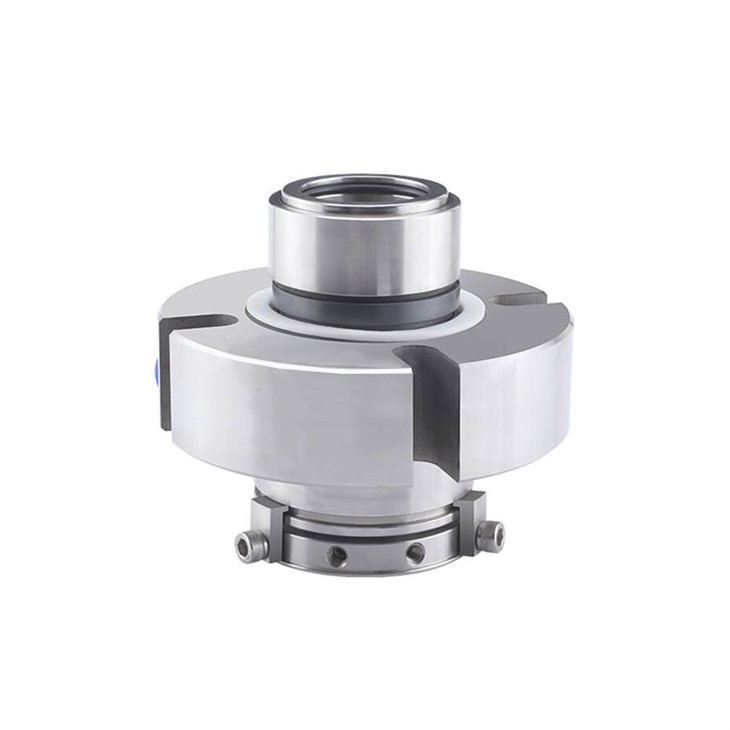

Balanced seals typically consist of two main components: a stationary seal face and a rotating seal face. The sealing faces are in contact with each other, creating a barrier that prevents the fluid from leaking out. To maintain the effectiveness of the seal, it's essential to keep the sealing faces clean and free from debris, dirt, and other contaminants.
Preparing for Cleaning
Before you start cleaning a balanced seal, it's important to take some necessary precautions to ensure your safety and the integrity of the seal. Here are some steps to follow:
- Shut down the equipment: Before you begin any maintenance work on the balanced seal, make sure to shut down the equipment and isolate it from the power source. This will prevent any accidental startup and ensure your safety.
- Drain the fluid: If the equipment contains any fluid, drain it completely before proceeding with the cleaning process. This will prevent the fluid from spilling and causing a mess.
- Gather the necessary tools and materials: You will need some basic tools and materials to clean the balanced seal, such as a soft brush, a cleaning solution, a lint-free cloth, and a pair of gloves. Make sure to choose a cleaning solution that is compatible with the seal material and the fluid being sealed.
- Inspect the seal: Before cleaning the seal, inspect it carefully for any signs of damage, wear, or leakage. If you notice any issues, such as cracks, scratches, or excessive wear, it may be necessary to replace the seal.
Cleaning the Balanced Seal
Once you have prepared for the cleaning process, you can start cleaning the balanced seal. Here are the steps to follow:
- Remove the seal: Carefully remove the balanced seal from the equipment, following the manufacturer's instructions. Make sure to handle the seal gently to avoid damaging it.
- Disassemble the seal: If the seal is a cartridge seal, you may need to disassemble it to access the sealing faces. Follow the manufacturer's instructions to disassemble the seal carefully.
- Clean the sealing faces: Use a soft brush to gently clean the sealing faces of the balanced seal. Make sure to remove any dirt, debris, or contaminants from the surfaces. You can also use a cleaning solution to help dissolve any stubborn stains or deposits.
- Rinse the seal: After cleaning the sealing faces, rinse the seal thoroughly with clean water to remove any remaining cleaning solution or debris. Make sure to dry the seal completely before reassembling it.
- Inspect the seal again: Once the seal is clean and dry, inspect it again for any signs of damage or wear. If you notice any issues, such as cracks, scratches, or excessive wear, it may be necessary to replace the seal.
- Reassemble the seal: If the seal is a cartridge seal, reassemble it following the manufacturer's instructions. Make sure to lubricate the sealing faces with a compatible lubricant before reassembling the seal.
- Install the seal: Carefully install the balanced seal back into the equipment, following the manufacturer's instructions. Make sure to align the seal properly and tighten the bolts or clamps to the recommended torque.
Tips for Maintaining a Balanced Seal
In addition to regular cleaning, there are some other tips you can follow to maintain the performance and lifespan of a balanced seal:
- Use the right lubricant: Make sure to use a lubricant that is compatible with the seal material and the fluid being sealed. Using the wrong lubricant can cause damage to the seal and reduce its effectiveness.
- Monitor the operating conditions: Keep an eye on the operating conditions of the equipment, such as temperature, pressure, and flow rate. Excessive temperature, pressure, or flow rate can cause damage to the seal and reduce its lifespan.
- Replace the seal regularly: Even with proper maintenance, balanced seals will eventually wear out and need to be replaced. Make sure to follow the manufacturer's recommendations for seal replacement intervals.
- Train your employees: Make sure your employees are properly trained on how to install, maintain, and clean balanced seals. This will help ensure that the seals are installed correctly and maintained properly, reducing the risk of leakage and equipment failure.
Conclusion
Cleaning a balanced seal is an important part of maintaining the performance and lifespan of the seal. By following the steps and tips outlined in this blog post, you can ensure that your balanced seal is clean, free from contaminants, and functioning properly. Remember to always follow the manufacturer's instructions and take the necessary precautions to ensure your safety and the integrity of the seal.
If you have any questions or need further assistance with cleaning or maintaining a balanced seal, please don't hesitate to contact us. We are a leading balanced seal supplier and can provide you with the products and services you need to keep your equipment running smoothly.
For more information about our balanced seals, please visit our website and check out our MOR 528 balanced seal, MOR H75N mechanical seal in reactor, and MOR SE1 Balanced Mechanical Seal for Power Plant Sulzer Pump.
We look forward to hearing from you and discussing your balanced seal needs.
References
- "Mechanical Seals: Principles and Applications" by John Adamson
- "Sealing Technology Handbook" by John A. Adamson
- Manufacturer's manuals and technical documentation for balanced seals


