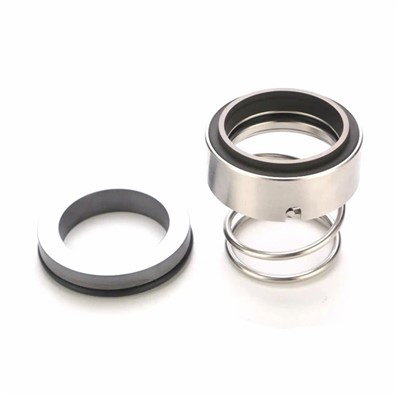
As a supplier of single coil mechanical seals, diagnosing problems with these seals is a crucial skill that can save time, money, and prevent costly equipment failures. In this blog post, I'll share some insights on how to diagnose issues with single coil mechanical seals effectively.
Understanding Single Coil Mechanical Seals
Before diving into the diagnostic process, it's essential to understand the basic components and function of a single coil mechanical seal. A single coil mechanical seal typically consists of a rotating seal face, a stationary seal face, a coil spring, and auxiliary components such as O-rings or gaskets. The coil spring applies pressure to the seal faces, ensuring a tight seal between the rotating and stationary parts of the equipment. This prevents leakage of fluids or gases from the pump or other machinery.
Common Symptoms of Seal Problems
The first step in diagnosing a problem with a single coil mechanical seal is to identify the symptoms. Here are some common signs that indicate a seal may be malfunctioning:
- Leakage: One of the most obvious signs of a seal problem is leakage. If you notice fluid or gas escaping from the seal area, it's a clear indication that the seal is not functioning properly.
- Excessive Heat: Overheating can cause the seal faces to warp or damage, leading to leakage. If the seal area feels hot to the touch, it could be a sign of excessive friction or misalignment.
- Noise or Vibration: Unusual noise or vibration coming from the pump or equipment can also indicate a seal problem. This could be due to misalignment, worn components, or improper installation.
- Reduced Performance: If the pump or equipment is not performing as expected, such as reduced flow rate or pressure, it could be a result of a seal issue.
Diagnostic Steps
Once you've identified the symptoms, it's time to start the diagnostic process. Here are the steps you can follow to diagnose a problem with a single coil mechanical seal:
Step 1: Visual Inspection
The first step is to perform a visual inspection of the seal. Look for any signs of damage, such as cracks, chips, or wear on the seal faces. Check the O-rings and gaskets for signs of deterioration or damage. Also, inspect the coil spring for any signs of deformation or corrosion.
Step 2: Check for Misalignment
Misalignment is a common cause of seal problems. Check the alignment of the pump shaft and the seal housing. Use a dial indicator to measure the runout and ensure that the shaft is within the specified tolerance. If the shaft is misaligned, it can cause excessive wear on the seal faces and lead to leakage.
Step 3: Inspect the Fluid
The quality of the fluid being pumped can also affect the performance of the seal. Check the fluid for contaminants, such as dirt, debris, or abrasive particles. These contaminants can cause wear on the seal faces and reduce the lifespan of the seal. Also, check the viscosity and temperature of the fluid to ensure that it is within the recommended range for the seal.


Step 4: Check the Installation
Improper installation is another common cause of seal problems. Make sure that the seal is installed correctly according to the manufacturer's instructions. Check the torque settings of the bolts and ensure that the seal is properly aligned. Also, make sure that the O-rings and gaskets are installed correctly and are not damaged.
Step 5: Test the Seal
If you've completed the above steps and still can't identify the problem, it may be necessary to test the seal. You can use a pressure test to check the integrity of the seal. Apply pressure to the seal and monitor for any signs of leakage. If the seal fails the pressure test, it may need to be replaced.
Troubleshooting Common Problems
Here are some common problems with single coil mechanical seals and their possible solutions:
- Leakage: If the seal is leaking, it could be due to worn seal faces, misalignment, or improper installation. Check the seal faces for wear and replace them if necessary. Also, check the alignment and installation of the seal.
- Excessive Heat: If the seal area is overheating, it could be due to excessive friction or misalignment. Check the alignment of the shaft and the seal housing. Also, make sure that the fluid is flowing properly and that there is no blockage in the seal area.
- Noise or Vibration: If there is noise or vibration coming from the pump or equipment, it could be due to misalignment, worn components, or improper installation. Check the alignment of the shaft and the seal housing. Also, inspect the components for wear and replace them if necessary.
- Reduced Performance: If the pump or equipment is not performing as expected, it could be due to a seal problem. Check the seal for leakage, misalignment, or damage. Also, check the fluid for contaminants or improper viscosity.
Recommended Products
As a supplier of single coil mechanical seals, we offer a wide range of high-quality products to meet your needs. Here are some of our recommended products:
- MOR Wilo High Pressure Pump Mechanical Seal: This seal is designed for high-pressure applications and offers excellent performance and reliability.
- 208 Mechanical Seal Replacement for Pump with Low Pressure: This seal is a cost-effective solution for low-pressure pumps and provides reliable sealing performance.
- MOR MG1 MB1 109 Mechanical Seal: This seal is suitable for a wide range of applications and offers superior performance and durability.
Conclusion
Diagnosing a problem with a single coil mechanical seal requires a systematic approach and a thorough understanding of the seal's components and function. By following the steps outlined in this blog post, you can identify and troubleshoot common seal problems effectively. If you need further assistance or have any questions, please don't hesitate to contact us. We are here to help you find the right seal solution for your application. Whether you're dealing with a high-pressure pump or a low-pressure system, our team of experts can provide you with the guidance and support you need to ensure optimal performance and reliability. Contact us today to discuss your requirements and explore our range of single coil mechanical seals.
References
- "Mechanical Seals Handbook" by John S. Colwell
- "Pump Seals and Systems" by Norman H. Brown