


What is the pressure range of a pump mechanical seal?
As a seasoned pump mechanical seal supplier, I often encounter inquiries about the pressure range of pump mechanical seals. Understanding the pressure range is crucial for ensuring the proper functioning and longevity of the mechanical seal in a pump system. In this blog post, I will delve into the factors that influence the pressure range of a pump mechanical seal and provide insights into selecting the right seal for your specific application.
Factors Affecting the Pressure Range of a Pump Mechanical Seal
The pressure range of a pump mechanical seal is determined by several factors, including the design of the seal, the materials used, and the operating conditions of the pump. Here are some key factors to consider:
- Seal Design: Different types of mechanical seals are designed to handle different pressure ranges. For example, single mechanical seals are typically used for low to medium pressure applications, while double mechanical seals are more suitable for high-pressure applications. The design of the seal also affects its ability to withstand pressure fluctuations and maintain a reliable seal.
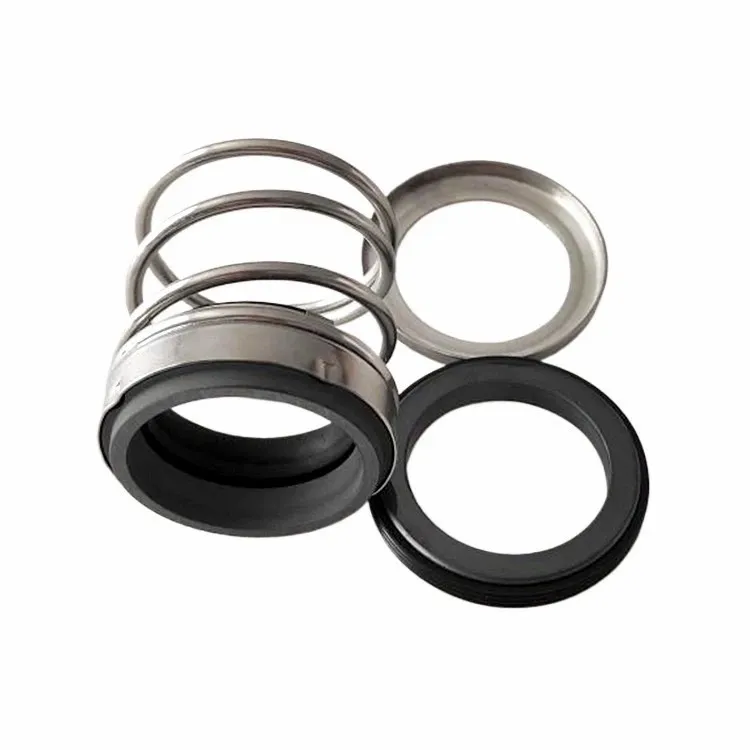
- Material Selection: The materials used in the construction of the mechanical seal play a crucial role in determining its pressure range. The seal faces, which are in direct contact with the fluid, need to be made of materials that can withstand the pressure, temperature, and chemical properties of the fluid. Common materials for seal faces include carbon, ceramic, and silicon carbide. The secondary sealing elements, such as O-rings and gaskets, also need to be selected based on the pressure and temperature requirements of the application.
- Operating Conditions: The operating conditions of the pump, such as the flow rate, temperature, and viscosity of the fluid, can also affect the pressure range of the mechanical seal. Higher flow rates and temperatures can increase the pressure on the seal, while viscous fluids can require a seal with a higher pressure rating. Additionally, the presence of abrasive particles or contaminants in the fluid can cause wear and damage to the seal, reducing its pressure range and lifespan.
Typical Pressure Ranges for Different Types of Pump Mechanical Seals
The pressure range of a pump mechanical seal can vary widely depending on the type of seal and the application. Here are some typical pressure ranges for different types of mechanical seals:
- Single Mechanical Seals: Single mechanical seals are the most common type of seal used in pumps. They are typically designed for low to medium pressure applications, with a pressure range of up to 500 psi (34 bar). Single mechanical seals are suitable for applications where the fluid is relatively clean and the pressure is stable.
- Double Mechanical Seals: Double mechanical seals are used for high-pressure applications, such as in chemical processing and oil and gas industries. They consist of two seals arranged in series, with a barrier fluid between them. Double mechanical seals can handle pressures up to 3000 psi (207 bar) or more, depending on the design and materials used.
- Cartridge Mechanical Seals: Cartridge mechanical seals are pre-assembled units that are easy to install and maintain. They are available in a variety of pressure ratings, ranging from low to high pressure. Cartridge mechanical seals are suitable for a wide range of applications, including pumps, mixers, and agitators.
Selecting the Right Pump Mechanical Seal for Your Application
When selecting a pump mechanical seal, it is important to consider the pressure range of the seal as well as other factors such as the temperature, chemical compatibility, and flow rate of the fluid. Here are some tips to help you select the right seal for your application:

- Consult with a Seal Expert: If you are unsure about the pressure range or other requirements of your application, it is recommended to consult with a seal expert. A seal expert can help you select the right seal based on your specific needs and provide guidance on installation and maintenance.
- Consider the Operating Conditions: The operating conditions of the pump, such as the temperature, flow rate, and viscosity of the fluid, can have a significant impact on the performance of the mechanical seal. Make sure to select a seal that is designed to withstand the operating conditions of your application.
- Choose the Right Seal Design: Different types of mechanical seals are designed to handle different pressure ranges and operating conditions. Consider the design of the seal, such as single or double mechanical seals, and choose the one that is most suitable for your application.
- Select the Right Materials: The materials used in the construction of the mechanical seal are critical for its performance and longevity. Make sure to select materials that are compatible with the fluid and the operating conditions of your application.
Our Product Offerings
As a leading pump mechanical seal supplier, we offer a wide range of mechanical seals to meet the needs of various applications. Our product portfolio includes:
- Equivalent to John Crane Type 21 Single Marine Mechanical Seal for Sewage Pump: This single mechanical seal is designed for use in sewage pumps and other marine applications. It is equivalent to the John Crane Type 21 seal and offers reliable performance in low to medium pressure applications.
- MOR SEV High Speed Mechanical Seal for Waste Water Pump: This high-speed mechanical seal is specifically designed for use in waste water pumps. It can handle high pressures and speeds, making it suitable for demanding applications.
- MOR MG13 Rubber Bellow Mechanical Seal: This rubber bellow mechanical seal is ideal for applications where the fluid contains abrasive particles or contaminants. It offers excellent resistance to wear and corrosion, ensuring long-lasting performance.
Conclusion
The pressure range of a pump mechanical seal is an important factor to consider when selecting a seal for your application. By understanding the factors that influence the pressure range and choosing the right seal design and materials, you can ensure the proper functioning and longevity of your pump system. If you have any questions or need assistance in selecting the right pump mechanical seal for your application, please do not hesitate to contact us. We are here to help you find the best solution for your needs.
References
- "Mechanical Seals Handbook" by John O. Gagliardi
- "Pump Handbook" by Igor J. Karassik, Joseph P. Messina, Paul Cooper, and Charles C. Heald


