


Hey there! As a chemical seal supplier, I've seen firsthand the importance of proper storage. Chemical seals are essential components in various industrial applications, helping to maintain pressure, isolate media, and protect instruments. But if they're not stored correctly, their performance can quickly deteriorate, leading to costly replacements and potential safety hazards. In this blog, I'll share some tips on how to store chemical seals properly to keep them in top-notch condition.
Understanding the Basics
Before we dive into the storage tips, let's quickly go over what chemical seals are and why they matter. Chemical seals, also known as diaphragm seals, are used to separate a process fluid from a pressure instrument, like a gauge or transmitter. They're typically made of materials that are resistant to corrosion and the specific chemicals in the process. This isolation helps prevent damage to the instrument and ensures accurate measurements.
Ideal Storage Conditions
The first thing you need to know is that chemical seals should be stored in a clean, dry, and temperature-controlled environment. Humidity can cause corrosion, especially if the seals are made of metal components. Aim for a relative humidity level between 40% and 60%. You can use a hygrometer to monitor the humidity in the storage area.
Temperature is another crucial factor. Extreme temperatures can cause the materials in the seals to expand or contract, which can lead to leaks or other damage. The ideal temperature range for storing chemical seals is between 10°C and 30°C (50°F and 86°F). Avoid areas that are prone to large temperature fluctuations, like near windows or heating vents.
Protecting from Physical Damage
Chemical seals are delicate instruments, so it's important to protect them from physical damage. When storing them, make sure they're placed in a way that they won't be knocked over or crushed. You can use padded storage containers or specially designed racks to keep them secure.
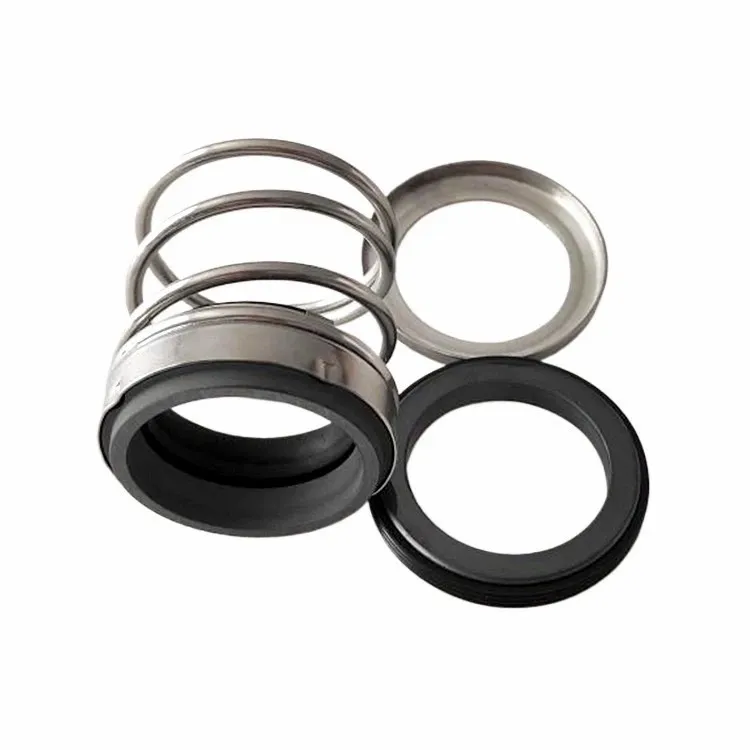

If you're storing multiple seals, make sure they're not stacked on top of each other. This can cause pressure on the seals and damage the diaphragms or other components. Instead, place them side by side or use dividers to keep them separated.
Preventing Contamination
Contamination can also have a negative impact on the performance of chemical seals. To prevent contamination, store the seals in clean, sealed containers. Avoid storing them in areas where there's a lot of dust or debris, like workshops or warehouses.
If you need to handle the seals before storage, make sure your hands are clean and dry. Wear gloves if possible to prevent the transfer of oils or other contaminants from your skin. And always make sure the storage container is clean before placing the seal inside.
Labeling and Documentation
Proper labeling and documentation are essential for keeping track of your chemical seals. Label each seal with its model number, serial number, and any other relevant information. This will make it easier to identify the seals when you need to use them.
You should also keep a record of the storage conditions, including the temperature, humidity, and date of storage. This information can be useful if you need to troubleshoot any issues with the seals later on.
Specific Considerations for Different Types of Seals
Not all chemical seals are created equal, and different types may have specific storage requirements. For example, the MOR Type 21 [/mechanical-seal/component-seal/mor-type-21.html] is a popular choice for many applications. It's important to follow the manufacturer's recommendations for storing this type of seal. The same goes for the MOR HJ92N Mechanical Seal [/mechanical-seal/component-seal/hj92n-mechanical-seal-replace.html] and the MOR Type8 [/mechanical-seal/component-seal/mor-type8.html]. These seals may have different materials or design features that require special care during storage.
Regular Inspections
Even if you're storing your chemical seals properly, it's still a good idea to conduct regular inspections. Check the seals for any signs of damage, such as cracks, leaks, or corrosion. If you notice any problems, take action immediately to prevent further damage.
You should also inspect the storage area regularly to make sure the temperature and humidity levels are within the recommended range. If necessary, make adjustments to the environment to keep the seals in good condition.
Long-Term Storage
If you need to store chemical seals for an extended period, there are a few additional steps you can take. One option is to coat the seals with a thin layer of protective grease or oil. This can help prevent corrosion and keep the seals lubricated.
You may also want to consider vacuum packaging the seals. This can help protect them from moisture and oxygen, which can cause damage over time. Make sure the packaging is airtight and label it clearly with the storage date and other relevant information.
Ending Thoughts and Call to Action
Proper storage of chemical seals is essential for maintaining their performance and ensuring their longevity. By following these tips, you can keep your seals in top condition and avoid costly replacements. If you're in the market for high-quality chemical seals or have any questions about storage or usage, don't hesitate to reach out. We're here to provide you with the best products and advice to meet your needs. Whether you're looking for the MOR Type 21, MOR HJ92N Mechanical Seal, or MOR Type8, we've got you covered. Start a conversation with us to get started on your next project or to stock up on essential components.
References
- Industrial Sealing Handbook, various industry experts
- Manufacturer's guidelines for MOR Type 21, MOR HJ92N Mechanical Seal, and MOR Type8


