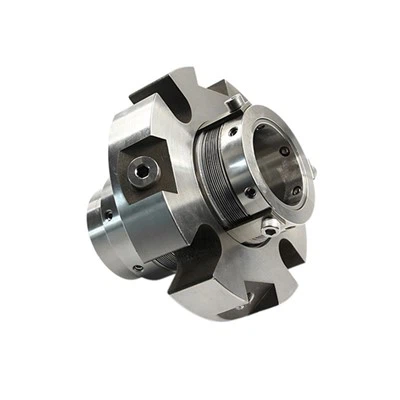
Hey there! As a PTFE bellow seal supplier, I often get asked about how to test the performance of these seals. It's a crucial topic, especially when you're looking to ensure the reliability and efficiency of your equipment. In this blog, I'll share some practical ways to test the performance of PTFE bellow seals.
Understanding PTFE Bellow Seals
Before we dive into the testing methods, let's quickly go over what PTFE bellow seals are. PTFE, or polytetrafluoroethylene, is a synthetic fluoropolymer known for its excellent chemical resistance, low friction coefficient, and high temperature tolerance. Bellow seals, on the other hand, are designed to provide a flexible and reliable sealing solution, compensating for axial, radial, and angular movements.
PTFE bellow seals are widely used in various industries, including chemical processing, pharmaceuticals, food and beverage, and water treatment. They are commonly found in pumps, mixers, agitators, and other equipment where a leak-free and long-lasting seal is required.
Why Test PTFE Bellow Seals?
Testing the performance of PTFE bellow seals is essential for several reasons. Firstly, it helps to ensure that the seals meet the required specifications and standards. This is particularly important in industries where safety and compliance are critical, such as the chemical and pharmaceutical sectors.
Secondly, performance testing can identify any potential issues or weaknesses in the seals before they cause problems in the field. By detecting and addressing these issues early on, you can prevent costly downtime, repairs, and replacements.
Finally, testing can also help you to optimize the performance of your equipment. By understanding how the seals perform under different conditions, you can make informed decisions about seal selection, installation, and maintenance.
Testing Methods
There are several methods that can be used to test the performance of PTFE bellow seals. Here are some of the most common ones:
1. Pressure Testing
Pressure testing is one of the most basic and important tests for PTFE bellow seals. It involves subjecting the seal to a specified pressure and checking for any leaks. There are two main types of pressure testing: hydrostatic testing and pneumatic testing.
- Hydrostatic Testing: This involves filling the equipment with a liquid, usually water, and applying pressure to the system. The pressure is gradually increased to the specified test pressure and held for a certain period of time. During this time, the seal is inspected for any signs of leakage. Hydrostatic testing is commonly used for seals that are designed to operate in liquid environments.
- Pneumatic Testing: This involves using a gas, usually air or nitrogen, to apply pressure to the system. The pressure is gradually increased to the specified test pressure and held for a certain period of time. Pneumatic testing is often used for seals that are designed to operate in gas or vapor environments.
When conducting pressure testing, it's important to follow the manufacturer's instructions and use the appropriate testing equipment. The test pressure should be carefully selected based on the operating conditions and the design of the seal.
2. Temperature Testing
Temperature can have a significant impact on the performance of PTFE bellow seals. High temperatures can cause the PTFE material to expand and lose its sealing properties, while low temperatures can make the material brittle and prone to cracking.
Temperature testing involves subjecting the seal to different temperatures and checking for any changes in its performance. This can be done using a temperature chamber or an oven. The seal is placed in the chamber or oven and the temperature is gradually increased or decreased to the specified test temperature. The seal is then inspected for any signs of damage or leakage.


When conducting temperature testing, it's important to use a temperature sensor to monitor the temperature accurately. The test temperature should be carefully selected based on the operating conditions and the design of the seal.
3. Chemical Compatibility Testing
PTFE is known for its excellent chemical resistance, but it's still important to test the seal's compatibility with the specific chemicals it will be exposed to in the application. Chemical compatibility testing involves exposing the seal to the chemicals and checking for any signs of degradation or damage.
This can be done by immersing the seal in a sample of the chemical for a certain period of time and then inspecting it for any changes in its appearance, hardness, or sealing properties. It's also important to consider the concentration and temperature of the chemical when conducting compatibility testing.
4. Wear Testing
Wear is another common issue that can affect the performance of PTFE bellow seals. Wear can occur due to friction, abrasion, or erosion, and it can cause the seal to lose its sealing properties over time.
Wear testing involves subjecting the seal to a simulated wear environment and checking for any signs of wear or damage. This can be done using a wear testing machine or a test rig. The seal is placed in the machine or rig and subjected to a specific load, speed, and duration. The seal is then inspected for any signs of wear or damage.
When conducting wear testing, it's important to use a wear test that is representative of the actual operating conditions. The test parameters should be carefully selected based on the application and the design of the seal.
5. Flexibility Testing
PTFE bellow seals are designed to be flexible, allowing them to compensate for axial, radial, and angular movements. Flexibility testing involves subjecting the seal to a specified amount of flexing and checking for any signs of damage or fatigue.
This can be done using a flexing machine or a test rig. The seal is placed in the machine or rig and subjected to a specific number of flexing cycles. The seal is then inspected for any signs of damage or fatigue.
When conducting flexibility testing, it's important to use a flexing test that is representative of the actual operating conditions. The test parameters should be carefully selected based on the application and the design of the seal.
Real-World Examples
Let's take a look at some real-world examples of how these testing methods can be applied.
Example 1: Chemical Processing Industry
In a chemical processing plant, a PTFE bellow seal is used in a pump that is used to transfer a corrosive chemical. The seal is subjected to hydrostatic testing before installation to ensure that it can withstand the pressure of the chemical. After installation, the seal is also subjected to chemical compatibility testing to ensure that it is compatible with the specific chemical.
Example 2: Food and Beverage Industry
In a food and beverage plant, a PTFE bellow seal is used in a mixer that is used to blend different ingredients. The seal is subjected to temperature testing to ensure that it can withstand the high temperatures generated during the mixing process. The seal is also subjected to wear testing to ensure that it can withstand the abrasion caused by the ingredients.
Our Products
At our company, we offer a wide range of PTFE bellow seals that are designed to meet the needs of various industries. Some of our popular products include the MOR 105 Mechanical Seal, the MOR 224 Double Mechanical Seal, and the MOR SEV Mechanical Seal for Water Pump.
These seals are carefully tested to ensure their performance and reliability. We use a combination of the testing methods described above to ensure that our seals meet the highest standards of quality and performance.
Conclusion
Testing the performance of PTFE bellow seals is essential for ensuring their reliability and efficiency. By using the appropriate testing methods, you can identify any potential issues or weaknesses in the seals before they cause problems in the field. This can help you to prevent costly downtime, repairs, and replacements, and optimize the performance of your equipment.
If you're in the market for PTFE bellow seals, we encourage you to contact us for more information. Our team of experts can help you to select the right seal for your application and provide you with the support and guidance you need to ensure its successful installation and operation.
References
- "Sealing Technology Handbook" by John R. Bolleter
- "Mechanical Seals: Selection, Installation, and Maintenance" by Michael J. Neale
- "PTFE: Properties, Applications, and Processing" by Charles A. Harper