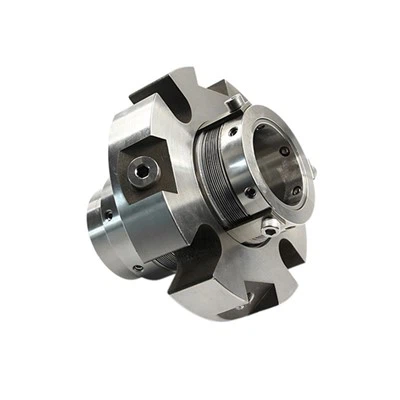
Hey there! As a component seal supplier, I've seen firsthand how these little guys play a huge role in pneumatic systems. In this blog, I'll break down the different applications of component seals in pneumatic systems and show you why they're so important.
1. Basics of Pneumatic Systems
Before we dive into the applications of component seals, let's quickly go over what pneumatic systems are. Pneumatic systems use compressed air to transmit and control energy. They're found in a wide range of industries, from manufacturing and automotive to food and beverage. These systems are popular because they're relatively simple, cost - effective, and can generate a lot of power in a small space.
2. Sealing in Pneumatic Cylinders
One of the most common applications of component seals in pneumatic systems is in pneumatic cylinders. Pneumatic cylinders are used to convert the energy of compressed air into linear motion. Component seals here are crucial for preventing air leakage.
Let's say you have a double - acting pneumatic cylinder. The piston inside the cylinder has to move smoothly back and forth. If there are no proper seals, the compressed air will leak out, reducing the cylinder's efficiency. For example, a piston seal ensures that the air on one side of the piston stays there and doesn't leak to the other side. This way, the piston can move with the full force of the compressed air, allowing the cylinder to perform its intended task, like moving a conveyor belt or operating a robotic arm.
We offer 502 Replacement Single Spring Bellow Mechanical Seal for Petrochemical Industry which can also be used in some high - performance pneumatic cylinders. Its design helps in maintaining a tight seal even under high - pressure conditions, ensuring the long - term reliability of the pneumatic system.
3. Rotary Pneumatic Actuators
Rotary pneumatic actuators are used to convert compressed air energy into rotational motion. Component seals in these actuators are used to seal the air chambers and prevent air from escaping.
Imagine a rotary actuator that is used to open and close a valve in a pneumatic control system. A good seal around the rotating shaft and inside the actuator body is essential. Without proper seals, the actuator may not be able to generate enough torque to operate the valve effectively. The seals also protect the internal components of the actuator from dust and debris, which could cause wear and tear over time.
Our Equivalent to M32 sewage pump mechanical seal can be adapted for use in some rotary pneumatic actuators. Its design provides a reliable seal, even in harsh environments where there may be contaminants in the air.
4. Pneumatic Valves
Pneumatic valves are used to control the flow of compressed air in a pneumatic system. There are different types of pneumatic valves, such as directional control valves, pressure control valves, and flow control valves.
In directional control valves, component seals are used to direct the flow of air to different parts of the system. For example, a spool valve has seals around the spool to ensure that the air is directed to the correct ports. If these seals are faulty, the valve may not function properly, leading to incorrect operation of the entire pneumatic system.
Our 208 Mechanical Seal Replacement for Pump with Low Pressure can be used in some low - pressure pneumatic valves. It provides a good seal at lower pressures, helping to maintain the proper flow of air through the valve.
5. Air Preparation Units
Air preparation units are an important part of pneumatic systems. They clean, dry, and regulate the compressed air before it enters the rest of the system. Component seals in these units are used to prevent air leakage and to keep contaminants out.
For example, in a filter - regulator - lubricator (FRL) unit, seals are used around the filter element, the regulator diaphragm, and the lubricator reservoir. A good seal around the filter element ensures that all the air passing through is properly filtered. If there is a leak, unfiltered air may enter the system, which can cause damage to other components.
6. Advantages of Using Quality Component Seals
Using high - quality component seals in pneumatic systems has several advantages. First of all, it improves the efficiency of the system. As we've seen, proper seals prevent air leakage, which means that the system can use the compressed air more effectively. This leads to less energy consumption and lower operating costs.
Secondly, quality seals increase the reliability of the system. They reduce the risk of system failures due to air leakage or contamination. This means less downtime for maintenance and repairs, which is a big plus for any industrial operation.
Finally, good component seals can extend the lifespan of the pneumatic system. By protecting the internal components from wear and tear, they ensure that the system can operate for a longer time without major issues.


7. Factors to Consider When Choosing Component Seals
When choosing component seals for pneumatic systems, there are several factors to consider. The first is the operating pressure of the system. Different seals are designed to handle different pressure ranges. For high - pressure pneumatic systems, you'll need seals that can withstand the force of the compressed air without leaking.
The temperature is another important factor. If the pneumatic system operates in a high - temperature environment, the seals need to be made of materials that can withstand the heat without deforming or losing their sealing properties.
The type of air or gas used in the system also matters. Some seals may not be compatible with certain gases, so it's important to choose seals that are suitable for the specific application.
8. Contact Us for Your Component Seal Needs
If you're in the market for component seals for your pneumatic systems, we're here to help. We have a wide range of seals that are suitable for different applications and operating conditions. Whether you need a seal for a high - pressure pneumatic cylinder or a low - pressure valve, we've got you covered.
Don't hesitate to reach out to us for more information or to discuss your specific requirements. We can provide you with detailed product specifications and help you choose the right seals for your pneumatic system.
References
- "Pneumatic Systems Handbook" by John Black
- "Sealing Technology for Fluid Power Systems" by David Smith
- Industry reports on pneumatic system components and seals.