


Hey there! As a supplier of dry gas seals, I've seen firsthand how crucial these components are in rotating equipment. Dry gas seals play a vital role in preventing leakage of process gases, ensuring the safety and efficiency of various industrial applications. In this blog, I'll share some key design considerations for dry gas seals in rotating equipment.
Operating Conditions
The first thing we need to consider is the operating conditions of the rotating equipment. This includes factors like pressure, temperature, and the type of gas being sealed. For instance, if the equipment operates at high pressures, the dry gas seal needs to be designed to withstand those forces without leaking. High - temperature environments can also pose challenges, as the materials used in the seal need to maintain their integrity.
Let's say you're dealing with a compressor that handles a corrosive gas. In such a case, we need to select materials that are resistant to corrosion. Otherwise, the seal will degrade over time, leading to leaks and potential safety hazards. The speed of the rotating equipment is another important factor. Higher rotational speeds can generate more heat and mechanical stress on the seal, so the design must account for these additional forces.
Seal Configuration
There are different types of dry gas seal configurations, and choosing the right one is essential. Single seals are often used in less critical applications where the risk of leakage is relatively low. They are simpler in design and more cost - effective. However, for applications where zero leakage is required or where the gas being sealed is hazardous, double or tandem seals are a better choice.
Double seals provide an extra layer of protection. They consist of two sets of sealing faces, with a buffer gas in between. This buffer gas helps to prevent the process gas from leaking into the atmosphere. Tandem seals are similar but are designed to handle even more demanding conditions. They can provide higher levels of safety and reliability, especially in high - pressure and high - temperature applications.
Face Materials
The choice of face materials for the dry gas seal is crucial. The sealing faces need to have low friction, high wear resistance, and good chemical compatibility with the process gas. Common materials used for the sealing faces include carbon, silicon carbide, and tungsten carbide.
Carbon is a popular choice because it has good self - lubricating properties and is relatively inexpensive. However, it may not be suitable for high - temperature or high - pressure applications. Silicon carbide is known for its high hardness and wear resistance, making it a great choice for applications with high rotational speeds or abrasive particles in the gas. Tungsten carbide is also very hard and has excellent chemical resistance, but it can be more expensive.
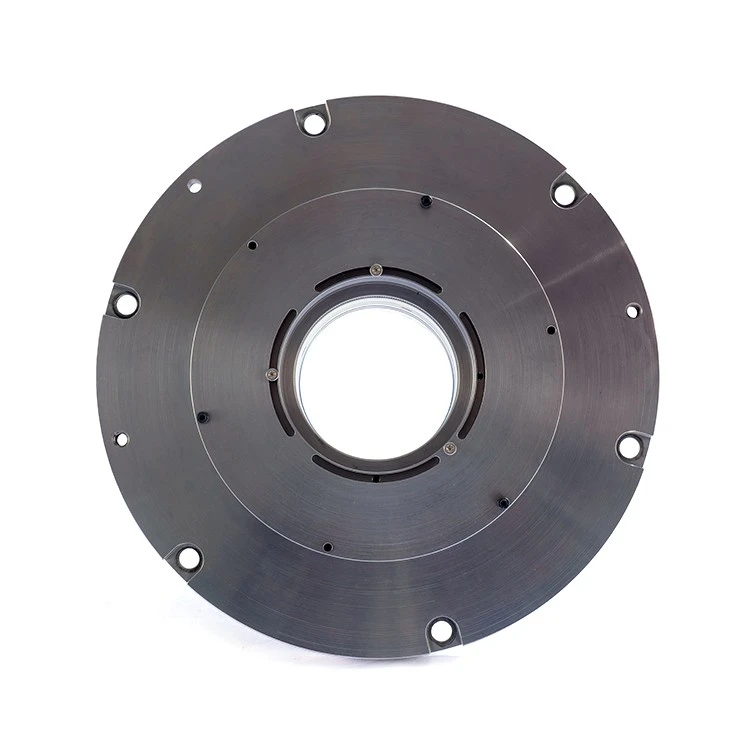

When selecting face materials, we also need to consider the mating materials. The combination of materials should be carefully chosen to ensure proper sealing performance. For example, a carbon face may be paired with a silicon carbide mating face to achieve the best balance of friction and wear.
Gas Supply System
A reliable gas supply system is essential for the proper functioning of dry gas seals. The buffer gas or barrier gas used in the seal needs to be clean, dry, and at the right pressure. The gas supply system should be designed to maintain a constant flow and pressure of the gas.
Filters are often installed in the gas supply line to remove any particles or contaminants that could damage the seal. Pressure regulators are used to control the pressure of the gas, ensuring that it is within the acceptable range for the seal. In some cases, a backup gas supply system may be required to ensure continuous operation in case of a primary gas supply failure.
Lubrication and Cooling
Although dry gas seals don't rely on traditional liquid lubricants, there is still a need for some form of lubrication and cooling. The gas film between the sealing faces provides a certain degree of lubrication, reducing friction and wear. However, in high - speed or high - temperature applications, additional cooling may be required.
Cooling can be achieved through various methods, such as using a cooling jacket around the seal housing or circulating a cooling fluid through the seal. This helps to dissipate the heat generated during operation, preventing the seal from overheating and extending its service life.
Monitoring and Control
To ensure the long - term performance of dry gas seals, a monitoring and control system is necessary. This system can monitor parameters such as temperature, pressure, and leakage rate. By continuously monitoring these parameters, we can detect any potential problems early and take corrective actions before a major failure occurs.
For example, if the temperature of the seal starts to rise abnormally, it could indicate a problem with the gas film or excessive friction. The monitoring system can alert the operators, who can then adjust the operating conditions or perform maintenance on the seal. Control systems can also be used to automatically adjust the gas supply pressure or flow rate based on the operating conditions.
Installation and Maintenance
Proper installation and maintenance are key to the successful operation of dry gas seals. During installation, it's important to follow the manufacturer's instructions carefully. The seal needs to be installed correctly, with the right alignment and pre - load. Any misalignment or improper installation can lead to premature wear and leakage.
Regular maintenance is also essential. This includes inspecting the seal for signs of wear, cleaning the gas supply system, and replacing any worn or damaged components. By performing regular maintenance, we can extend the service life of the seal and ensure its reliable operation.
Our Products
At our company, we offer a wide range of high - quality dry gas seals to meet the diverse needs of our customers. Our MOR CDTD Compressor Dry Gas Seal Components are designed for compressor applications and are known for their reliability and performance. The MOR 2GS1 Dry Gas Mechanical Seal for Compressor is another great option, offering excellent sealing performance in high - speed and high - pressure applications. And for those who need a more advanced solution, our MOR 1GM21 John Crane Double Cartridge Dry Gas Seal provides the highest levels of safety and reliability.
If you're in the market for dry gas seals for your rotating equipment, we'd love to talk to you. Our team of experts can help you choose the right seal for your specific application and provide you with all the support you need. Whether you're looking for a simple single seal or a complex double or tandem seal, we have the products and expertise to meet your requirements. Contact us today to start the conversation and find the best dry gas seal solution for your business.
References
- "Dry Gas Seals for Turbomachinery" by John A. S. Smith
- "Sealing Technology Handbook" by David R. Smith
- Industry standards and guidelines related to dry gas seals in rotating equipment


