


Hey there! As a supplier of double mechanical seals, I often get asked about the installation requirements for these nifty pieces of equipment. So, I thought I'd dive into it and share all the deets with you.
First off, let's understand what a double mechanical seal is. It's basically a type of seal used in pumps and other rotating equipment to prevent the leakage of fluids. It consists of two sets of sealing faces, which provide an extra layer of protection compared to single mechanical seals.
Now, let's get into the installation requirements.
1. Equipment Inspection
Before you start installing the double mechanical seal, it's crucial to inspect the equipment thoroughly. Check the pump shaft for any signs of damage, such as scratches, dents, or corrosion. A damaged shaft can cause premature wear and failure of the seal. Also, make sure the shaft diameter is within the specified tolerance for the seal you're using.
Inspect the seal chamber as well. It should be clean and free of any debris or contaminants. Any foreign particles in the chamber can get trapped between the sealing faces and cause leakage. If the chamber has any rough edges or burrs, smooth them out to prevent damage to the seal.

2. Seal Selection
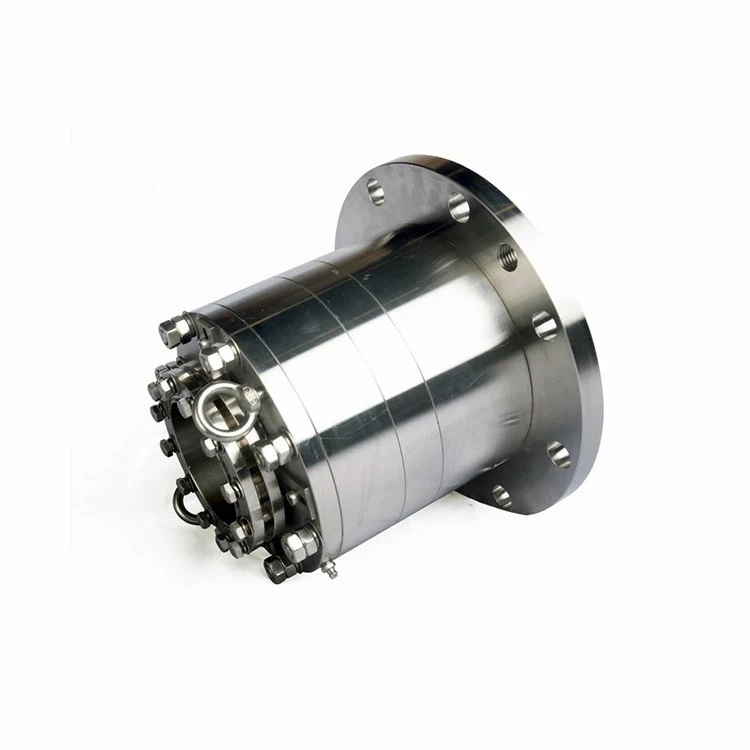
Choosing the right double mechanical seal for your application is super important. Consider factors like the type of fluid being sealed, the pressure and temperature conditions, and the speed of the rotating equipment. Our company offers a wide range of double mechanical seals, like the MOR CK267 double mechanical seal for reactor, which is specifically designed for use in reactors. It can handle high pressures and temperatures, making it suitable for demanding applications.
3. Installation Environment
The installation environment plays a big role in the performance of the double mechanical seal. The area where you're installing the seal should be clean and well-lit. Avoid installing the seal in a dusty or dirty environment, as this can contaminate the seal and reduce its lifespan.
Also, make sure the temperature and humidity levels are within the recommended range for the seal. Extreme temperatures or high humidity can affect the materials used in the seal and cause them to degrade over time.
4. Lubrication
Proper lubrication is essential for the smooth operation of the double mechanical seal. Use the recommended lubricant for the seal, and apply it evenly to the sealing faces and other moving parts. Lubrication helps reduce friction and wear, and it also helps prevent the formation of heat, which can damage the seal.
Make sure to follow the manufacturer's instructions regarding the type and amount of lubricant to use. Over-lubrication can be just as bad as under-lubrication, as it can cause the seal to leak or attract contaminants.
5. Alignment
Correct alignment of the pump shaft and the seal is crucial for the proper functioning of the double mechanical seal. Misalignment can cause uneven wear on the sealing faces, leading to leakage and premature failure of the seal.
Use alignment tools to ensure that the shaft is perfectly centered in the seal chamber. Make sure the seal is installed straight and not tilted. Any misalignment can put extra stress on the seal and reduce its effectiveness.
6. Torque
When installing the double mechanical seal, it's important to apply the correct torque to the bolts and nuts. Over-tightening can damage the seal or the equipment, while under-tightening can cause the seal to leak.
Refer to the manufacturer's specifications for the recommended torque values. Use a torque wrench to apply the torque evenly and accurately. This will help ensure that the seal is installed securely and that it functions properly.
7. Flushing and Cooling
In some applications, flushing and cooling are necessary to maintain the performance of the double mechanical seal. Flushing involves circulating a clean fluid through the seal chamber to remove any contaminants and to cool the seal. Cooling can be achieved by using a cooling jacket or by circulating a coolant around the seal.
Our MOR 522 EKATO single acting mechanical seal is designed to work well with flushing and cooling systems. It can handle high temperatures and pressures, and the flushing and cooling help extend its lifespan.
8. Testing
Once the double mechanical seal is installed, it's important to test it before putting the equipment into operation. Start by filling the pump with the fluid being sealed and check for any leaks. Run the pump at a low speed for a few minutes and monitor the seal for any signs of leakage or abnormal noise.
If everything looks good, gradually increase the speed and pressure of the pump to the normal operating conditions. Continue to monitor the seal for a few hours to ensure that it's functioning properly.
9. Maintenance
Regular maintenance is key to ensuring the long-term performance of the double mechanical seal. Inspect the seal regularly for any signs of wear or damage. Replace any worn or damaged parts immediately to prevent further problems.
Clean the seal chamber and the sealing faces periodically to remove any contaminants. Check the lubricant levels and top them up if necessary. Follow the manufacturer's recommended maintenance schedule to keep the seal in top condition.
Our MOR HRM Mechancial Seal is designed for easy maintenance. It has a modular design that allows for quick and easy replacement of parts, reducing downtime and maintenance costs.
In conclusion, installing a double mechanical seal requires careful attention to detail. By following these installation requirements, you can ensure that your double mechanical seal performs well and lasts for a long time.
If you're in the market for a high-quality double mechanical seal, or if you have any questions about installation or maintenance, don't hesitate to reach out. We're here to help you find the right solution for your needs. Let's get in touch and start a conversation about your double mechanical seal requirements!
References
- "Mechanical Seals Handbook" by John Neale
- Manufacturer's installation and maintenance manuals for double mechanical seals


