


Hey there! As a supplier of PTFE bellow seals, I've seen firsthand the amazing benefits these seals bring to various industries. They're super durable, resistant to chemicals, and can handle a wide range of temperatures. But like any product, PTFE bellow seals also come with some potential risks. In this blog, I'm gonna break down these risks so you can make an informed decision when it comes to using them.
Chemical Compatibility Issues
One of the main things to watch out for with PTFE bellow seals is chemical compatibility. While PTFE is known for its excellent chemical resistance, there are still some substances that can cause problems. For example, certain strong oxidizing agents like fuming nitric acid and oleum can react with PTFE over time. This reaction can lead to degradation of the PTFE material, which in turn can affect the performance of the seal.
If you're using PTFE bellow seals in an environment where they'll be exposed to chemicals, it's crucial to do a thorough chemical compatibility analysis. You can refer to chemical resistance charts provided by material manufacturers or consult with a chemical engineer. Using a seal that's not compatible with the chemicals in your system can result in leaks, equipment damage, and even safety hazards. For instance, in a chemical processing plant, a leak caused by chemical degradation of a PTFE bellow seal could lead to the release of toxic substances into the environment.
Temperature Limitations
Another risk factor is temperature. PTFE has a relatively wide temperature range it can handle, but there are limits. At extremely high temperatures, PTFE can start to lose its mechanical properties. The seal may become softer and more prone to deformation, which can lead to leakage. On the other hand, at very low temperatures, PTFE can become brittle and crack.
The maximum continuous use temperature for PTFE is typically around 260°C (500°F). If your application requires operating at temperatures above this range, you might want to consider alternative sealing materials. For example, in some high - temperature industrial processes like glass manufacturing or metal smelting, PTFE bellow seals may not be the best choice. Similarly, in cryogenic applications where temperatures can drop well below - 200°C (- 328°F), PTFE can fail due to its brittleness.
Pressure Challenges
Pressure is also a significant factor. PTFE bellow seals are designed to work within certain pressure limits. If the pressure in your system exceeds these limits, the bellow can collapse or rupture. This can happen suddenly and without much warning, leading to a complete failure of the seal.
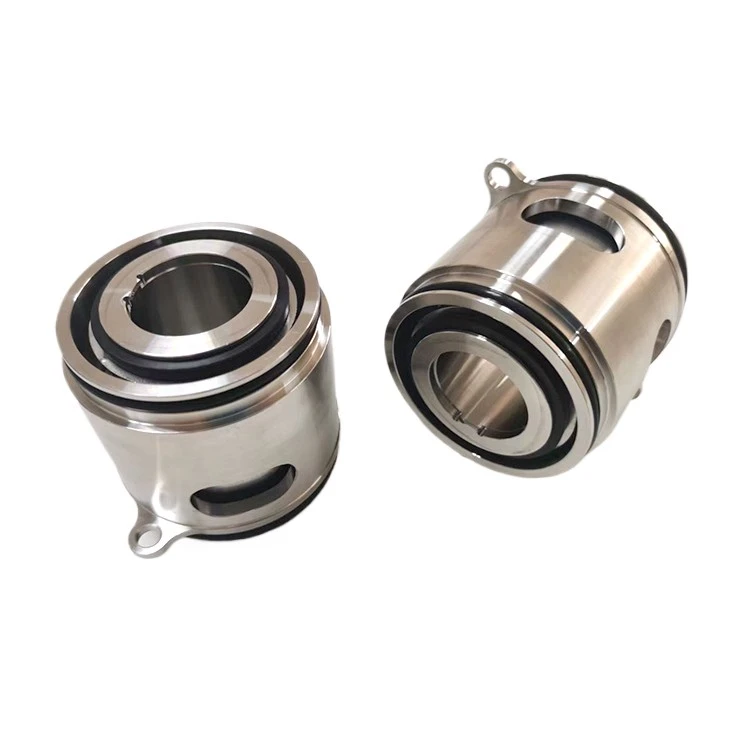
In high - pressure applications such as hydraulic systems or oil and gas pipelines, it's essential to select a PTFE bellow seal that's rated for the specific pressure conditions. You might want to check out our [MOR Type8](/mechanical - seal/component - seal/mor - type8.html) and [MOR112](/mechanical - seal/component - seal/mor112.html) seals, which are designed to handle higher pressures. But even with these seals, it's important to monitor the pressure in your system regularly to ensure it stays within the recommended range.
Installation and Alignment
Improper installation and alignment can also pose risks. If the PTFE bellow seal isn't installed correctly, it can lead to uneven stress distribution on the bellow. This can cause premature wear and failure of the seal. For example, if the seal isn't centered properly, it may rub against other components in the system, leading to abrasion and damage.
During installation, make sure to follow the manufacturer's instructions carefully. Use the right tools and techniques to ensure a proper fit. Also, check the alignment of the seal with the shaft and housing. Any misalignment can put additional stress on the seal and reduce its lifespan.
Fatigue and Wear
Over time, PTFE bellow seals can experience fatigue and wear. The constant movement and flexing of the bellow during operation can cause micro - cracks to form. These cracks can grow over time and eventually lead to a leak.
The rate of fatigue and wear depends on several factors, including the frequency of operation, the amplitude of the movement, and the quality of the PTFE material. To minimize fatigue and wear, it's important to choose a high - quality PTFE bellow seal. Our [MOR SEV Mechanical Seal for Water Pump](/mechanical - seal/component - seal/mor - sev - mechanical - seal - for - water - pump.html) is made from top - notch materials and is designed to withstand repeated cycles of movement.
Contamination
Contamination can also be a problem. Particles or debris in the system can get trapped between the seal and the mating surfaces. This can cause abrasion and damage to the PTFE material, leading to a loss of sealing performance.
To prevent contamination, it's important to keep the system clean. Use filters to remove any particles from the fluid or gas in the system. Also, make sure to handle the seals carefully during installation to avoid introducing any dirt or debris.
Aging and Environmental Factors
PTFE can also be affected by aging and environmental factors. Exposure to UV light, ozone, and other environmental elements can cause the PTFE material to degrade over time. This can lead to a reduction in its mechanical properties and sealing performance.
If your PTFE bellow seals are used outdoors or in an environment where they're exposed to these elements, you may need to take additional precautions. For example, you can use protective coatings or enclosures to shield the seals from UV light and ozone.

Conclusion
So, there you have it - the potential risks of using PTFE bellow seals. While these risks exist, they can be managed with proper planning, selection, installation, and maintenance. As a supplier, I'm here to help you choose the right PTFE bellow seal for your application and provide you with all the support you need to ensure its safe and effective use.
If you're interested in learning more about our PTFE bellow seals or have any questions about how to mitigate these risks, don't hesitate to reach out. We're always happy to have a chat and discuss your specific needs. Whether you're in the chemical industry, manufacturing, or any other sector that requires reliable sealing solutions, we've got you covered. Let's work together to find the best sealing solution for your business.
References
- “Handbook of Seal Technology” by Robert E. Kenis
- Manufacturer's technical documentation on PTFE materials and seals


