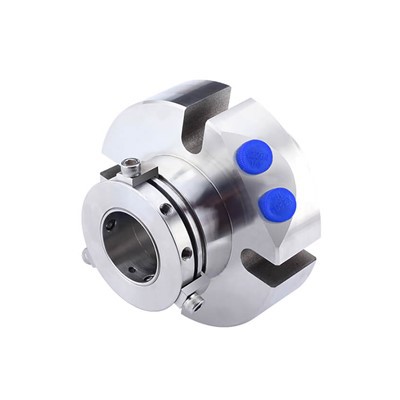
As a trusted metal face seals supplier, I've witnessed firsthand the critical role these components play in various industrial applications. Metal face seals are designed to prevent the leakage of fluids and contaminants, ensuring the smooth operation of machinery. One of the key factors that determine the effectiveness of metal face seals is the sealing force. In this blog, we'll explore what sealing forces are, how they work, and their significance in the performance of metal face seals.
Understanding Sealing Forces
Sealing forces are the forces that act on the sealing faces of a metal face seal to create a tight and reliable seal. These forces are essential for preventing fluid leakage and maintaining the integrity of the system. There are several types of sealing forces at play in metal face seals, including:
1. Spring Force
Spring force is one of the primary sealing forces in metal face seals. A spring is typically incorporated into the seal design to provide a continuous force that presses the sealing faces together. This force helps to compensate for wear, thermal expansion, and other factors that could cause the sealing faces to separate. The spring force ensures that the seal remains in contact with the mating surface, even under varying operating conditions.
2. Fluid Pressure Force
Fluid pressure also contributes to the sealing force in metal face seals. When a fluid is present in the system, the pressure of the fluid acts on the sealing faces, pushing them together. This force increases as the fluid pressure rises, enhancing the sealing performance. However, it's important to note that excessive fluid pressure can also cause problems, such as seal deformation or leakage. Therefore, it's crucial to design the seal to withstand the expected fluid pressure.
3. Friction Force
Friction force is generated between the sealing faces when they are in contact. This force helps to prevent relative motion between the faces, further enhancing the sealing effect. The friction force is influenced by several factors, including the surface finish of the sealing faces, the type of fluid, and the operating conditions. A proper balance of friction force is necessary to ensure a reliable seal without causing excessive wear or heat generation.
How Sealing Forces Work Together
In a metal face seal, the spring force, fluid pressure force, and friction force work together to create an effective seal. The spring force provides the initial contact between the sealing faces, ensuring that they are in close proximity. As the fluid pressure increases, the fluid pressure force adds to the sealing force, further pressing the faces together. The friction force helps to maintain the contact and prevent leakage.
For example, in a MOR BXHHB BXH api mechanical seal, the spring is designed to provide a specific amount of force to keep the sealing faces in contact. When the fluid pressure in the system rises, the additional force from the fluid pressure enhances the sealing performance. The friction between the sealing faces helps to maintain the seal, even when there is some movement or vibration in the system.
Significance of Sealing Forces in Metal Face Seal Performance
The sealing forces have a significant impact on the performance of metal face seals. Here are some key aspects of their significance:
1. Leakage Prevention
The primary function of a metal face seal is to prevent fluid leakage. The sealing forces ensure that the sealing faces are in contact, creating a barrier that prevents the fluid from escaping. A proper balance of sealing forces is necessary to achieve a reliable seal. If the forces are too low, the seal may leak; if they are too high, it can cause excessive wear and damage to the seal.


2. Wear Resistance
Sealing forces also affect the wear resistance of the metal face seal. The friction force between the sealing faces can cause wear over time. However, a proper balance of forces can help to minimize wear. For example, a spring with the right stiffness can provide enough force to maintain the seal without causing excessive friction. Additionally, the surface finish of the sealing faces can be optimized to reduce wear.
3. Temperature Resistance
Temperature can have a significant impact on the performance of metal face seals. As the temperature changes, the materials expand or contract, which can affect the sealing forces. A well-designed seal takes into account the thermal expansion properties of the materials and ensures that the sealing forces remain stable over a wide temperature range. This helps to prevent leakage and maintain the performance of the seal under different operating conditions.
Factors Affecting Sealing Forces
Several factors can affect the sealing forces in metal face seals. Understanding these factors is crucial for designing and selecting the right seal for a specific application. Some of the key factors include:
1. Material Properties
The material properties of the seal components, such as the metal bellows, sealing faces, and springs, can have a significant impact on the sealing forces. For example, the stiffness of the spring determines the amount of force it can provide. The hardness and surface finish of the sealing faces affect the friction force. Choosing the right materials with appropriate properties is essential for achieving the desired sealing performance.
2. Operating Conditions
The operating conditions, such as fluid pressure, temperature, and speed, can also affect the sealing forces. Higher fluid pressure increases the fluid pressure force, while higher temperatures can cause thermal expansion, which may change the spring force and the contact between the sealing faces. The speed of the rotating equipment can also generate additional forces, such as centrifugal force, which need to be considered in the seal design.
3. Installation and Alignment
Proper installation and alignment of the metal face seal are crucial for ensuring the correct sealing forces. If the seal is not installed correctly, it can cause uneven distribution of forces, leading to leakage or premature wear. Alignment issues can also affect the contact between the sealing faces, reducing the effectiveness of the seal. Therefore, it's important to follow the manufacturer's installation instructions carefully.
Our Product Range
As a leading metal face seals supplier, we offer a wide range of high-quality products to meet the diverse needs of our customers. Our product portfolio includes MOR BXHHB BXH api mechanical seal, MOR LBG Cartridge Metal Bellow Seal, and MOR 604 metal face seals.
Our seals are designed with precision to ensure optimal sealing forces and performance. We use advanced materials and manufacturing processes to ensure the durability and reliability of our products. Whether you need a seal for a high-pressure application or a high-temperature environment, we have the right solution for you.
Contact Us for Procurement
If you're in the market for high-quality metal face seals, we'd love to hear from you. Our team of experts can help you select the right seal for your specific application and provide you with all the information you need. We offer competitive prices, excellent customer service, and fast delivery.
Contact us today to start a discussion about your procurement needs. We're committed to providing you with the best sealing solutions and helping you achieve optimal performance in your operations.
References
- "Mechanical Seals Handbook" by John Dickenson
- "Sealing Technology" by Robert Flitney
- Industry standards and guidelines related to metal face seals