


Hey there! As a supplier of cartridge seals, I've seen firsthand how sleeve wear can have a significant impact on these crucial components. In this blog, I'll break down what sleeve wear is, its effects on cartridge seals, and how you can deal with it.
First off, let's talk about what a cartridge seal is. A cartridge seal is a pre - assembled unit that includes the seal, gland, sleeve, and other necessary parts. It's designed to be easily installed and provide reliable sealing in various applications, like pumps and mixers. The sleeve is an important part of the cartridge seal. It acts as a mating surface for the seal faces and helps protect the shaft from wear and corrosion.
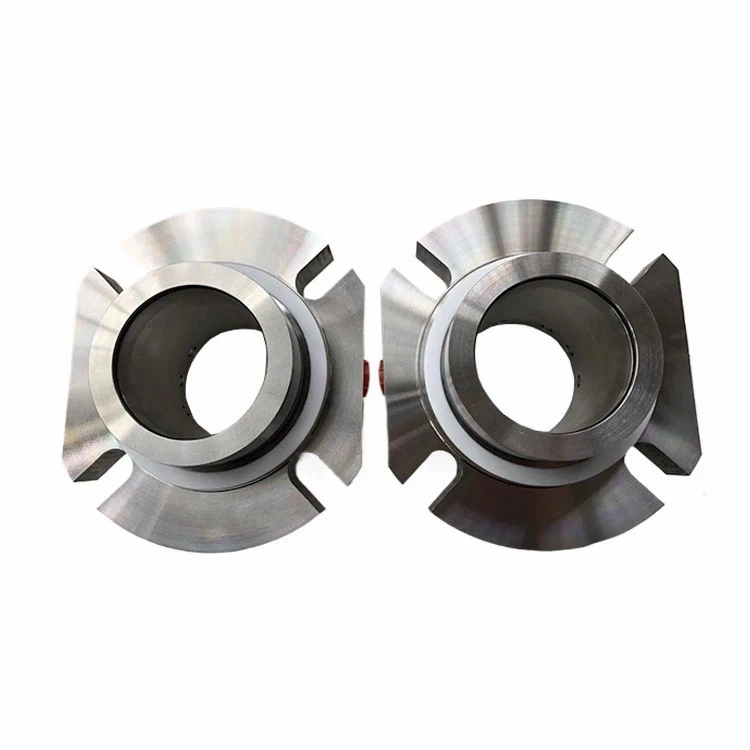

So, what exactly is sleeve wear? Sleeve wear occurs when there's friction between the seal faces and the sleeve. This friction can be caused by a number of factors. One common cause is improper installation. If the cartridge seal isn't installed correctly, the seal faces may not sit evenly on the sleeve, leading to uneven wear. Another factor is the nature of the fluid being sealed. If the fluid contains abrasive particles, these particles can act like sandpaper on the sleeve, wearing it down over time. Also, high - speed operation can increase the friction and heat between the seal faces and the sleeve, accelerating the wear process.
Now, let's dig into the effects of sleeve wear on a cartridge seal.
1. Reduced Sealing Performance
One of the most obvious effects is a reduction in sealing performance. The main job of a cartridge seal is to prevent the leakage of the fluid being sealed. When the sleeve wears, the smooth mating surface that the seal faces rely on is compromised. The seal faces may no longer form a tight seal against the worn sleeve. This can lead to fluid leakage, which is a big no - no in many industrial applications. Leakage can cause product loss, environmental pollution, and even safety hazards. For example, in a chemical processing plant, a leak of a hazardous chemical can put the health of workers at risk and damage the surrounding environment.
2. Increased Friction and Heat
As the sleeve wears, the friction between the seal faces and the sleeve increases. More friction means more heat is generated. Excessive heat can have several negative consequences. First, it can cause the elastomeric components of the cartridge seal, such as O - rings, to degrade. O - rings are important for maintaining the integrity of the seal and preventing fluid from bypassing the seal faces. When they degrade due to heat, they lose their elasticity and sealing ability. Second, high heat can also lead to thermal expansion of the seal components. This can cause misalignment between the seal faces and the sleeve, further worsening the sealing performance and accelerating the wear process.
3. Shorter Seal Life
Sleeve wear significantly shortens the life of a cartridge seal. A well - maintained cartridge seal can last for a long time, providing reliable service. But when the sleeve wears, the entire seal assembly is under more stress. The increased friction, heat, and reduced sealing performance all contribute to premature failure of the seal. Instead of lasting for months or even years, a cartridge seal with excessive sleeve wear may fail within weeks or days. This means more frequent seal replacements, which can be costly in terms of both the cost of the seals themselves and the downtime required for replacement.
4. Higher Maintenance Costs
The effects of sleeve wear also translate into higher maintenance costs. As mentioned earlier, more frequent seal replacements are needed. In addition to the cost of the new seals, there are also labor costs associated with removing the old seal and installing the new one. Moreover, if the leakage caused by sleeve wear leads to damage to other equipment, such as pumps or pipes, the cost of repairing or replacing these damaged components can be substantial.
So, what can you do to deal with sleeve wear?
Preventive Measures
- Proper Installation: Make sure that the cartridge seal is installed correctly. Follow the manufacturer's installation instructions carefully. This includes ensuring proper alignment of the seal faces with the sleeve and using the correct torque when tightening the gland bolts.
- Fluid Filtration: If the fluid being sealed contains abrasive particles, use a filtration system to remove these particles before they reach the seal. This can significantly reduce the wear on the sleeve.
- Regular Inspections: Conduct regular inspections of the cartridge seal and the sleeve. Look for signs of wear, such as grooves or scratches on the sleeve surface. Early detection of wear can allow you to take corrective action before the situation gets worse.
Choosing the Right Cartridge Seal
At our company, we offer a range of high - quality cartridge seals, like the MOR Cartex Mechanical Seal. This seal is designed with high - quality materials and advanced technology to minimize sleeve wear and provide long - lasting performance. We also have the MOR 8B1VORS and MOR 48LP, which are suitable for different applications and operating conditions. These seals are built to withstand the challenges of various industries and offer excellent sealing performance.
In conclusion, sleeve wear has a profound impact on cartridge seals. It can reduce sealing performance, increase friction and heat, shorten seal life, and lead to higher maintenance costs. However, by taking preventive measures and choosing the right cartridge seal, you can minimize the effects of sleeve wear and ensure the reliable operation of your equipment.
If you're in the market for cartridge seals or have any questions about sleeve wear and seal performance, don't hesitate to reach out. We're here to help you find the best sealing solutions for your specific needs. Whether you're dealing with a small - scale operation or a large industrial plant, we have the expertise and products to meet your requirements. Contact us today to start a discussion about your cartridge seal needs and how we can help you improve the performance and longevity of your seals.
References
- "Mechanical Seals Handbook" by John A. Adamson
- "Sealing Technology for Rotating Equipment" by Klaus - Dieter Moll


