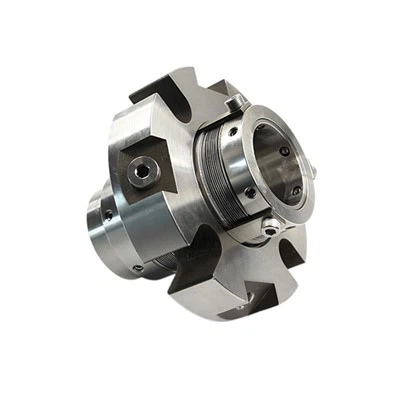
The lifespan of a component seal is a critical factor that significantly impacts the efficiency and reliability of various industrial applications. As a component seal supplier, we understand the importance of providing our customers with seals that offer long - lasting performance. In this blog, we will explore the factors that influence the lifespan of a component seal and how you can maximize its durability.
Factors Affecting the Lifespan of Component Seals
1. Material Quality
The quality of the materials used in the component seal plays a crucial role in determining its lifespan. High - quality materials are more resistant to wear, corrosion, and chemical attacks. For example, seals made from advanced polymers or ceramics can withstand harsh operating conditions better than those made from lower - grade materials. Our 212 Multi Spring Balanced Teflon Bellow Mechanical Seal is crafted from high - quality Teflon, which offers excellent chemical resistance and low friction, ensuring a longer lifespan even in demanding environments.
2. Operating Conditions
The environment in which the component seal operates has a direct impact on its lifespan. Factors such as temperature, pressure, and the presence of abrasive particles can all affect the seal's performance. High temperatures can cause the seal material to degrade, while high pressures can lead to seal deformation. In applications where there are abrasive particles, the seal may wear out more quickly. Our MOR 2 high temperature mechanical seal is designed to withstand extreme temperatures, making it suitable for high - heat applications.
3. Installation and Maintenance
Proper installation and regular maintenance are essential for extending the lifespan of a component seal. Incorrect installation can lead to misalignment, which can cause premature wear and failure. Regular maintenance, including inspection, cleaning, and lubrication, can help identify and address potential issues before they become major problems. For example, if a seal is not properly lubricated, it can experience increased friction, leading to faster wear.
4. Design and Engineering
The design of the component seal also affects its lifespan. A well - designed seal will distribute stress evenly, reducing the likelihood of failure. Advanced engineering techniques can optimize the seal's performance, such as using innovative geometries or incorporating features that enhance its resistance to wear and tear. Our MOR WB2 10T 10R PTFE Elastomer Bellow Mechanical Seal features a unique design that provides excellent flexibility and sealing performance, contributing to a longer lifespan.
How to Maximize the Lifespan of Component Seals
1. Select the Right Seal for the Application
Choosing the appropriate component seal for your specific application is crucial. Consider the operating conditions, such as temperature, pressure, and the type of fluid being sealed. Our team of experts can help you select the most suitable seal based on your requirements.
2. Follow Installation Guidelines
Always follow the manufacturer's installation guidelines to ensure proper alignment and sealing. This includes using the correct tools and techniques during installation. Improper installation can lead to leaks and premature failure.
3. Implement a Regular Maintenance Schedule
Regular maintenance is key to extending the lifespan of a component seal. This includes inspecting the seal for signs of wear, cleaning it to remove any debris, and lubricating it as recommended. A well - maintained seal is less likely to fail, reducing downtime and maintenance costs.


4. Monitor Performance
Keep an eye on the performance of the component seal. Look for signs of leaks, abnormal noise, or changes in operating conditions. Early detection of problems can allow for timely repairs or replacements, preventing more serious issues from occurring.
Case Studies: Real - World Examples of Component Seal Lifespan
In a chemical processing plant, a 212 Multi Spring Balanced Teflon Bellow Mechanical Seal was installed in a pump that handled corrosive chemicals. Due to the high - quality Teflon material and the seal's design, it was able to withstand the harsh chemical environment for over five years without any major issues. This not only reduced the frequency of seal replacements but also improved the overall efficiency of the plant.
In a high - temperature industrial furnace, a MOR 2 high temperature mechanical seal was used to seal the furnace door. Despite the extreme temperatures, the seal maintained its integrity for three years, providing a reliable seal and preventing heat loss.
Conclusion
The lifespan of a component seal is influenced by multiple factors, including material quality, operating conditions, installation, and maintenance. By understanding these factors and taking appropriate measures, you can maximize the lifespan of your component seals, reducing costs and improving the reliability of your industrial processes.
As a component seal supplier, we are committed to providing high - quality seals that offer long - lasting performance. If you are looking for reliable component seals for your applications, we invite you to contact us for more information and to discuss your specific requirements. Our team of experts is ready to assist you in finding the best seal solutions for your needs.
References
- Smith, J. (2018). "Materials and Design Considerations for Long - Lasting Component Seals." Journal of Industrial Sealing Technology.
- Johnson, A. (2019). "Operating Conditions and Their Impact on Seal Lifespan." International Journal of Sealing Engineering.
- Brown, C. (2020). "Installation and Maintenance Best Practices for Component Seals." Industrial Maintenance Magazine.