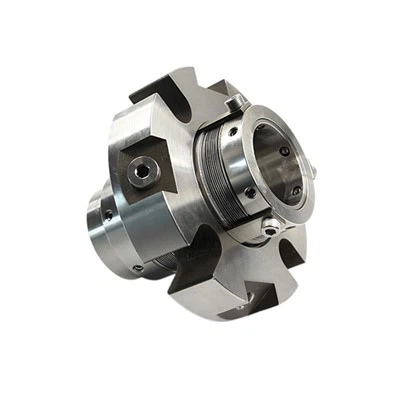
Hey there! As a split seal supplier, one of the most common questions I get asked is, "What is the lifespan of a split seal?" Well, it's not a one - size - fits - all answer. There are several factors that can influence how long a split seal will last, and I'm gonna break them all down for you.
First off, let's talk about the quality of the split seal itself. High - quality split seals are made from top - notch materials and are manufactured with precision. For instance, our MOR S027 Split Mechanical Seal is crafted using advanced technology and high - grade materials. These materials are chosen for their durability, resistance to wear and tear, and ability to handle different operating conditions. A well - made split seal like this can often last much longer than a cheaper, lower - quality alternative. Cheaper seals might use subpar materials that can degrade quickly, leading to a shorter lifespan.
The operating environment plays a huge role. If the split seal is used in a harsh environment with a lot of dirt, chemicals, or extreme temperatures, its lifespan is going to be affected. For example, in a chemical plant where the seal is constantly exposed to corrosive substances, the materials of the seal can start to break down over time. On the other hand, in a relatively clean and stable environment, like a food - processing facility where the temperature and humidity are well - controlled, the split seal can last longer.
Another important factor is the pressure and speed at which the equipment is operating. High - pressure and high - speed applications put more stress on the split seal. If the seal is constantly under high pressure, it can wear out the sealing faces faster. Similarly, high - speed rotation can cause more friction, which also leads to increased wear. Our MOR S029 John Crane Split Seal is designed to handle a certain range of pressures and speeds. If you try to use it outside of those recommended parameters, its lifespan will be significantly reduced.


Proper installation and maintenance are also key to extending the lifespan of a split seal. If the seal is not installed correctly, it can lead to uneven wear, leaks, and premature failure. For example, if the seal faces are not properly aligned during installation, they will rub against each other unevenly, causing one side to wear out faster. Regular maintenance, like checking for leaks, cleaning the seal, and replacing worn - out parts, can also make a big difference. If you neglect maintenance, small problems can turn into big ones, and the seal might need to be replaced much sooner.
In general, a well - maintained and high - quality split seal in a normal operating environment can last anywhere from 2 to 5 years. However, in some cases, with ideal conditions and proper care, it can last even longer. For example, in a low - stress application where the seal is made of high - quality materials and is well - maintained, it could potentially last up to 7 or 8 years.
Let's take a closer look at some specific split seals and how their lifespans can vary. Our MOR S031 Split Cartridge Mechanical Seal is designed for a variety of industrial applications. In a standard water - pumping system, where the pressure and temperature are relatively stable, and the water is clean, this seal can last around 3 to 4 years with regular maintenance. But if the same seal is used in a wastewater treatment plant, where it's exposed to solids, chemicals, and higher pressures, its lifespan might be reduced to 1 to 2 years.
It's also important to note that different industries have different expectations when it comes to the lifespan of split seals. In the oil and gas industry, where downtime can be extremely costly, operators often look for seals that can last as long as possible. They are willing to invest in high - quality seals and perform rigorous maintenance to ensure maximum uptime. In contrast, in some less - critical applications, like small - scale manufacturing, a shorter - lifespan seal might be acceptable as long as it's cost - effective.
So, how can you make sure your split seal lasts as long as possible? First, choose the right seal for your application. Consider the operating conditions, pressure, speed, and the type of fluid or gas the seal will be in contact with. Second, make sure the seal is installed correctly. If you're not sure how to do it, consult a professional. Third, establish a regular maintenance schedule. This includes checking for leaks, inspecting the seal faces, and replacing any worn - out parts.
If you're in the market for a split seal, or if you have questions about the lifespan of a split seal for your specific application, don't hesitate to reach out. We're here to help you find the best solution and make sure you get the most out of your investment. Whether you need a seal for a short - term project or a long - term, high - performance application, we've got you covered.
In conclusion, the lifespan of a split seal depends on a variety of factors, including the quality of the seal, the operating environment, pressure and speed, and proper installation and maintenance. By understanding these factors and taking the right steps, you can ensure that your split seal lasts as long as possible.
References:
- Industry - standard guidelines on split seal performance and durability.
- In - house research and testing data on split seal lifespans.