


Hey there! As a supplier of mixer mechanical seals, I often get asked about the torque requirements for installing these seals. It's a crucial topic because getting the torque right can make or break the performance and longevity of the mechanical seal. In this blog, I'll break down what you need to know about torque requirements for installing a mixer mechanical seal.
Why Torque Matters
First off, let's talk about why torque is such a big deal. Torque is essentially the rotational force applied when tightening the bolts or fasteners that hold the mechanical seal in place. If the torque is too low, the seal might not be properly compressed, which can lead to leaks. On the other hand, if the torque is too high, you could damage the seal components, such as the sealing faces or the O - rings. This can also cause premature wear and tear, reducing the seal's effectiveness and lifespan.
Factors Affecting Torque Requirements
There are several factors that can influence the torque requirements for installing a mixer mechanical seal.
Seal Design
Different mechanical seal designs have different torque needs. For example, a MOR 522 EKATO single acting mechanical seal might have specific torque requirements based on its unique structure and the materials used. Some seals are designed with more flexible components, which might require less torque to achieve a proper seal. Others, with more rigid structures, may need a higher torque to ensure a tight fit.
Seal Size
The size of the mechanical seal also plays a role. Larger seals typically require more torque because there's more surface area to seal and more force is needed to compress the sealing elements evenly. Smaller seals, on the other hand, usually need less torque.
Operating Conditions
The environment in which the mixer operates can affect the torque requirements. If the mixer is used in a high - pressure or high - temperature application, the mechanical seal needs to be tightened more securely to withstand these conditions. For instance, in a chemical processing plant where the pressure inside the mixer can be quite high, a higher torque might be necessary to prevent leaks.
Material of Fasteners
The type of fasteners used to install the mechanical seal can impact the torque. Different materials have different levels of strength and elasticity. For example, stainless - steel fasteners might require a different torque than carbon - steel ones. It's important to use the right type of fasteners and follow the manufacturer's recommendations for torque based on the fastener material.
Determining the Right Torque
So, how do you figure out the correct torque for your mixer mechanical seal?
Manufacturer's Specifications
The first and most important source of information is the manufacturer's specifications. When you purchase a mechanical seal, the manufacturer should provide detailed instructions on the recommended torque values. For example, if you're using MOR JCS1A seals for centrifugal pumps, the manufacturer will have a specific torque range for the installation. Make sure to follow these guidelines carefully, as they are based on extensive testing and engineering.
Torque Calculation
In some cases, you might need to calculate the torque based on the specific conditions of your application. This usually involves considering factors like the pressure inside the mixer, the size of the seal, and the coefficient of friction of the sealing materials. However, this is a complex process and it's often best to consult with an engineer or an expert in mechanical seals if you're not familiar with these calculations.
Torque Testing
Another way to ensure the right torque is through torque testing. You can use a torque wrench to measure the torque applied during installation. By comparing the measured torque with the recommended values, you can make sure that the seal is installed correctly. It's a good practice to perform torque testing regularly, especially during maintenance and replacement of the mechanical seal.
Installation Process
Once you've determined the right torque, here's a general overview of the installation process.
Preparation
Before you start installing the mechanical seal, make sure the mixer is clean and free of any debris. Check the sealing surfaces for any damage or wear. Also, gather all the necessary tools, including a torque wrench, the right size of sockets, and any other installation accessories.
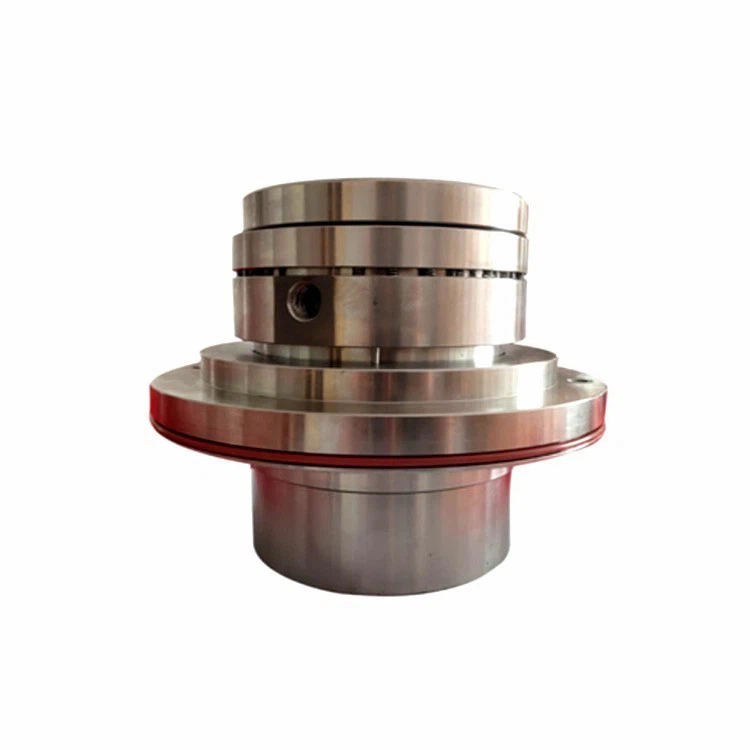

Positioning the Seal
Carefully position the mechanical seal in the correct location on the mixer. Make sure it's aligned properly and there are no obstructions. This step is crucial because if the seal is not positioned correctly, even the right torque won't prevent leaks.
Tightening the Fasteners
Use the torque wrench to tighten the fasteners gradually. It's important to apply the torque evenly around the seal to ensure uniform compression. Start by tightening the fasteners to a low torque value and then gradually increase it to the recommended level. This helps to prevent over - tightening in one area and under - tightening in another.
Final Checks
After tightening the fasteners, perform a final check to make sure the seal is installed correctly. Check for any signs of misalignment or damage. You can also perform a leak test to ensure that the seal is working properly.
Common Mistakes to Avoid
When it comes to installing a mixer mechanical seal, there are some common mistakes that you should avoid.
Over - Tightening
As I mentioned earlier, over - tightening can damage the seal components. It can cause the sealing faces to crack or the O - rings to deform. This not only reduces the effectiveness of the seal but can also lead to costly repairs and replacements.
Under - Tightening
Under - tightening is equally bad. If the seal is not tightened enough, it won't be able to prevent leaks. This can result in product loss, environmental contamination, and potential safety hazards.
Using the Wrong Tools
Using the wrong size of sockets or a torque wrench that's not calibrated correctly can lead to inaccurate torque application. Always make sure you're using the right tools for the job.
Maintenance and Monitoring
Once the mechanical seal is installed, it's important to perform regular maintenance and monitoring.
Inspection
Regularly inspect the mechanical seal for any signs of wear, damage, or leaks. Check the fasteners to make sure they're still tightened to the correct torque. If you notice any issues, address them immediately to prevent further damage.
Lubrication
Some mechanical seals require lubrication to function properly. Make sure to use the recommended lubricant and follow the manufacturer's guidelines for lubrication intervals.
Torque Re - checking
Periodically re - check the torque of the fasteners. Over time, vibrations and temperature changes can cause the fasteners to loosen. By re - checking the torque, you can ensure that the seal remains properly installed.
Conclusion
In conclusion, understanding the torque requirements for installing a mixer mechanical seal is essential for ensuring its proper performance and longevity. By considering factors like seal design, size, operating conditions, and using the right installation techniques, you can avoid common mistakes and ensure a reliable seal. If you're in the market for high - quality mixer mechanical seals, we're here to help. We offer a wide range of seals, including MOR 522 EKATO single acting mechanical seal, MOR JCS1A seals for centrifugal pumps, and MOR JCS1 pump sigle cartridge seal. If you have any questions or need assistance with your mechanical seal needs, don't hesitate to reach out for a procurement discussion. We're ready to work with you to find the best solutions for your applications.
References
- "Mechanical Seals Handbook" by John Adamson
- Manufacturer's specifications for MOR mechanical seals


