


Hey there! As a carbon ring seal supplier, I've seen firsthand how different factors can impact the performance of these seals. One factor that often gets overlooked is the viscosity of the medium in which the carbon ring seal operates. In this blog post, I'm going to dive into how the viscosity of the medium affects the carbon ring seal and why it's so important to consider.
First off, let's talk a bit about what carbon ring seals are. These seals are used in a variety of industries, including oil and gas, chemical processing, and power generation. They're designed to prevent the leakage of fluids or gases in rotating equipment like pumps, compressors, and turbines. Carbon ring seals work by creating a tight seal between the rotating shaft and the stationary housing of the equipment.
Now, let's get into the role of viscosity. Viscosity is basically a measure of a fluid's resistance to flow. Think of it like this: honey has a high viscosity because it flows slowly, while water has a low viscosity because it flows easily. When it comes to carbon ring seals, the viscosity of the medium can have a big impact on how well the seal works.
Low - Viscosity Media
When dealing with low - viscosity media, such as water or some light hydrocarbons, there are a few key things to keep in mind. Low - viscosity fluids flow easily, which means they can more readily seep through small gaps. This can be a problem for carbon ring seals because even the tiniest gap between the carbon ring and the shaft or housing can lead to leakage.
In low - viscosity applications, the seal faces need to be in very close contact to prevent leakage. The carbon material used in the seals needs to have a high level of flatness and smoothness. If the seal faces aren't perfectly flat, the low - viscosity fluid can find its way through the irregularities and cause a leak.
Another issue with low - viscosity media is that they don't provide as much lubrication as high - viscosity fluids. Lubrication is crucial for the proper functioning of carbon ring seals. Without adequate lubrication, the carbon rings can experience increased wear and tear. This can lead to a shorter lifespan for the seal and more frequent replacements.
For example, in a water - pumping application, if the carbon ring seal isn't designed correctly for the low - viscosity water, you might start to notice small leaks over time. These leaks can not only waste water but also potentially damage other components of the pumping system.
High - Viscosity Media
On the other hand, high - viscosity media, like heavy oils or some polymers, present a different set of challenges. High - viscosity fluids are thick and don't flow as easily. While this might seem like it would make it easier to prevent leakage, it actually comes with its own problems.
One of the main issues with high - viscosity media is that they can cause more drag on the rotating shaft. The carbon ring seal has to work harder to maintain a proper seal against the high - viscosity fluid. This increased drag can lead to higher energy consumption in the equipment. For instance, in a compressor handling a high - viscosity lubricating oil, the motor has to work harder to turn the shaft due to the resistance from the oil, and the carbon ring seal has to withstand this additional stress.
High - viscosity fluids can also be more likely to build up around the carbon ring seal. This build - up can cause the seal to become less flexible and may even lead to blockages in the seal's internal channels. If the channels get blocked, the proper functioning of the seal can be severely impaired.
Moreover, high - viscosity media may require different sealing materials or designs. The carbon used in the seal might need to be more resistant to abrasion because the thick fluid can carry more solid particles that can scratch the seal surface.
Impact on Seal Design
The viscosity of the medium has a direct impact on the design of the carbon ring seal. For low - viscosity applications, we often focus on improving the surface finish of the carbon rings and ensuring a very tight fit. We might use advanced machining techniques to achieve the required flatness and smoothness.
In high - viscosity applications, we might design the seal with larger channels to allow for better flow of the thick fluid. We may also select carbon materials with enhanced wear resistance. For example, the Split Carbon Ring Seal with Isolation Gas can be customized to suit different viscosity requirements. This seal design can be adjusted in terms of the gap size between the carbon rings and the type of isolation gas used, depending on whether it's for a low - or high - viscosity medium.

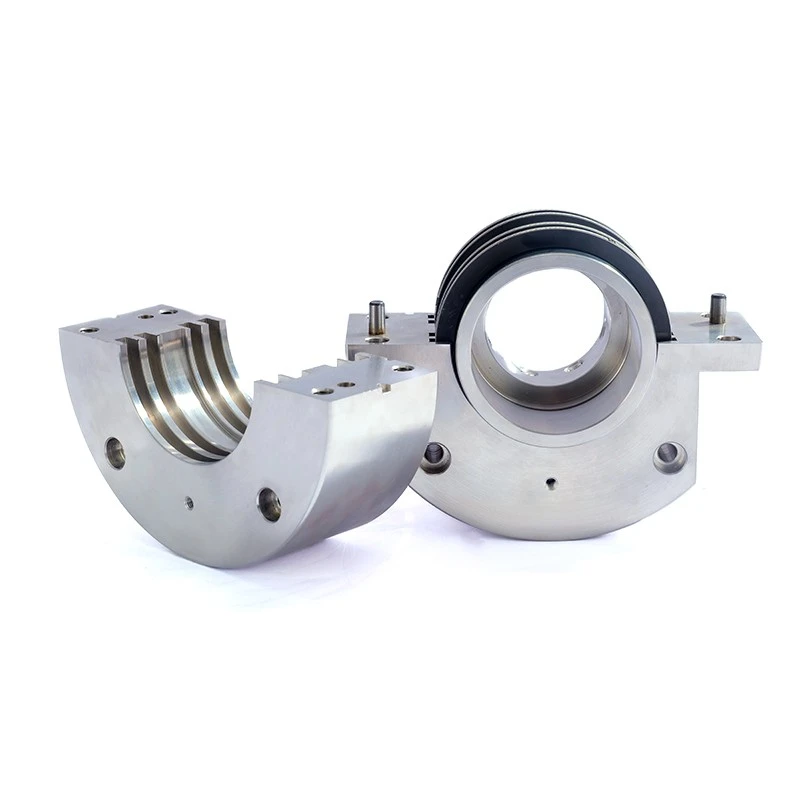
Another product, the MOR CRS929 Carbon Ring Seal For Screw Compressor, is also designed with different viscosity scenarios in mind. It can be optimized for either low - or high - viscosity fluids in screw compressor applications, ensuring reliable sealing performance.
Maintenance Considerations
Viscosity also affects the maintenance of carbon ring seals. In low - viscosity applications, regular inspections are crucial to check for any signs of leakage. Since the leaks can be small and hard to detect initially, it's important to use sensitive detection methods. If a leak is detected early, it might be possible to make minor adjustments to the seal rather than replacing it entirely.
For high - viscosity applications, maintenance might involve cleaning the seal more frequently to prevent build - up. The seal faces may need to be inspected for signs of abrasion and wear, and the carbon rings may need to be replaced more often due to the harsher operating conditions.
Why It Matters for Your Business
As a business owner or an engineer in charge of equipment, understanding how viscosity affects carbon ring seals can save you a lot of money and headaches. A poorly performing seal can lead to costly downtime, product loss, and even environmental hazards in some cases.
By choosing the right carbon ring seal for the viscosity of your medium, you can ensure the long - term reliability of your equipment. You'll reduce the frequency of seal replacements, lower energy consumption, and minimize the risk of leaks.
Conclusion
In conclusion, the viscosity of the medium has a significant impact on the performance, design, and maintenance of carbon ring seals. Whether you're dealing with low - viscosity water or high - viscosity heavy oils, it's essential to choose a seal that's specifically designed for your application.
If you're in the market for a carbon ring seal and need help determining the best option for your medium's viscosity, don't hesitate to reach out. We're here to provide you with the expertise and high - quality products you need to keep your equipment running smoothly. Let's have a chat about your requirements and find the perfect carbon ring seal solution for your business.
References
- "Sealing Technology Handbook" by John D. Constance
- "Rotating Equipment Sealing" by Alan S. Fagan


