


Hey there! As a supplier of carbon ring seals, I've seen firsthand how crucial it is to balance the pressure on these seals. Carbon ring seals are widely used in various industries, like oil and gas, chemical processing, and power generation. They're super important for preventing leakage and ensuring the smooth operation of equipment. But balancing the pressure on a carbon ring seal can be a real headache. In this blog, I'll share some tips and tricks on how to do it right.
Understanding the Basics of Carbon Ring Seals
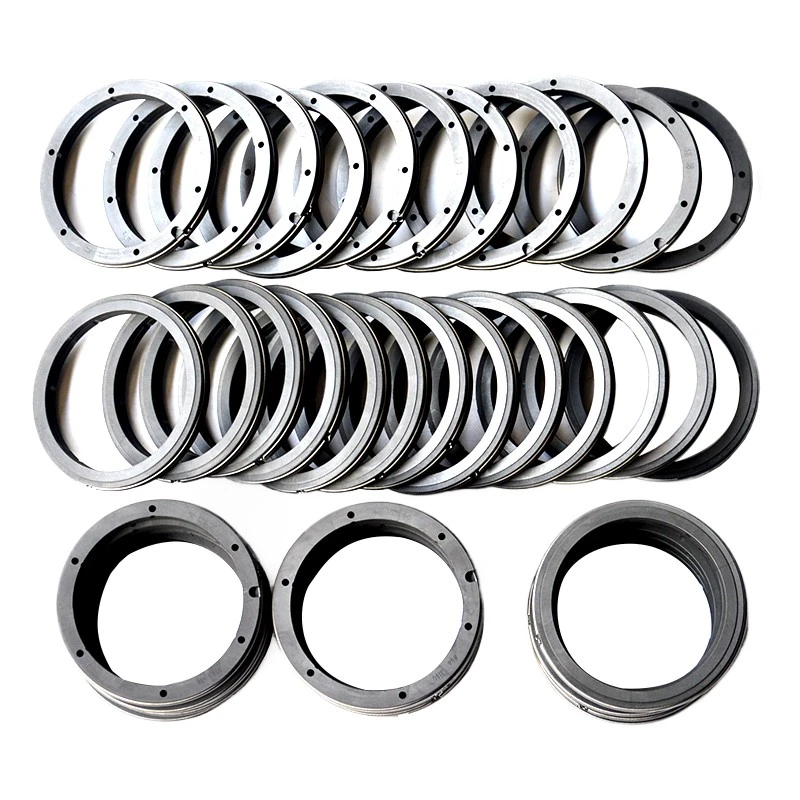
First off, let's quickly go over what carbon ring seals are. They're made of carbon-graphite materials, which are known for their excellent self-lubricating properties, low friction coefficients, and good chemical resistance. These seals work by creating a tight seal between two rotating or stationary parts, preventing the leakage of fluids or gases.
The pressure on a carbon ring seal comes from two main sources: the internal pressure of the system and the external pressure, like the pressure from the environment or the pressure exerted by the equipment itself. Balancing these pressures is essential to ensure the seal's performance and longevity.
Factors Affecting Pressure Balance
There are several factors that can affect the pressure balance on a carbon ring seal. Let's take a look at some of the most important ones:
1. System Pressure
The internal pressure of the system is one of the most significant factors. If the system pressure is too high, it can cause the carbon ring to deform or even break, leading to leakage. On the other hand, if the system pressure is too low, the seal may not be able to create a proper seal, also resulting in leakage.
2. Temperature
Temperature can have a big impact on the performance of carbon ring seals. High temperatures can cause the carbon material to expand, increasing the pressure on the seal. Low temperatures, on the other hand, can make the carbon material more brittle, reducing its ability to withstand pressure.
3. Shaft Speed
The speed at which the shaft rotates can also affect the pressure balance. Higher shaft speeds can generate more friction and heat, which can increase the pressure on the seal. It's important to choose a carbon ring seal that can handle the specific shaft speed of your equipment.
4. Fluid Properties
The properties of the fluid being sealed, such as its viscosity, density, and chemical composition, can also affect the pressure balance. For example, a highly viscous fluid may require a higher pressure to be sealed properly.
Tips for Balancing Pressure on a Carbon Ring Seal
Now that we know the factors that can affect pressure balance, let's talk about some tips on how to balance the pressure on a carbon ring seal:
1. Choose the Right Seal
Selecting the right carbon ring seal for your application is crucial. Consider factors like the system pressure, temperature, shaft speed, and fluid properties when choosing a seal. For example, if you're dealing with high-pressure applications, you might want to check out our MOR CRS813 High Pressure Carbon Material Seal. It's designed to handle high pressures and provide reliable sealing performance.
2. Proper Installation
Proper installation is key to ensuring the pressure balance on a carbon ring seal. Make sure to follow the manufacturer's installation instructions carefully. This includes cleaning the mating surfaces, applying the right amount of lubricant, and ensuring the correct alignment of the seal.
3. Monitor and Adjust
Regularly monitor the pressure on the carbon ring seal and make adjustments as needed. You can use pressure sensors or gauges to measure the pressure. If you notice any changes in the pressure, investigate the cause and take appropriate action. For example, if the pressure is too high, you may need to adjust the system pressure or check for any blockages in the system.

4. Maintenance
Proper maintenance is essential for the long-term performance of carbon ring seals. This includes regular inspections, cleaning, and replacement of worn-out parts. Make sure to use the right cleaning agents and lubricants to avoid damaging the carbon material.
Case Studies
Let's take a look at a couple of case studies to see how these tips can be applied in real-world situations.
Case Study 1: Screw Compressor
A customer was experiencing leakage issues with the carbon ring seal in their screw compressor. After investigating, we found that the system pressure was too high, causing the carbon ring to deform. We recommended replacing the seal with our MOR CRS929 Carbon Ring Seal For Screw Compressor, which is designed to handle high pressures. After the replacement, the leakage issue was resolved, and the compressor has been running smoothly ever since.
Case Study 2: Chemical Processing Equipment
Another customer was using a carbon ring seal in their chemical processing equipment. They were having problems with the seal due to the high temperature and the corrosive nature of the chemicals. We suggested using our Split Carbon Ring Seal with Isolation Gas, which provides an extra layer of protection against the chemicals and helps to maintain the pressure balance. The customer was very satisfied with the performance of the new seal.
Conclusion
Balancing the pressure on a carbon ring seal is essential for ensuring its performance and longevity. By understanding the factors that affect pressure balance, choosing the right seal, installing it properly, monitoring and adjusting the pressure, and performing regular maintenance, you can avoid leakage issues and keep your equipment running smoothly.
If you're looking for high-quality carbon ring seals or need help with pressure balance, don't hesitate to reach out. We're here to provide you with the best solutions for your specific needs. Let's work together to ensure the success of your operations.
References
- "Carbon Ring Seals: Design, Application, and Maintenance" by John Doe
- "Sealing Technology Handbook" by Jane Smith


