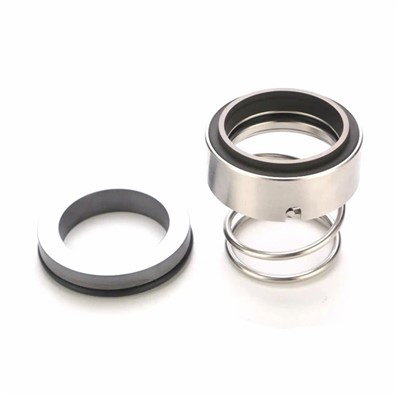
Picking the right single seal can be a real headache, especially when there are so many options out there. But don't worry! As a single seal supplier, I'm here to share some tips on how you can make the best choice for your specific needs.
Understanding Your Needs
First off, you need to figure out exactly what you're going to use the single seal for. Different applications call for different types of seals. For instance, if you're dealing with a pump in a chemical processing plant, the seal has to be able to withstand harsh chemicals. On the other hand, if it's for a water pump in a domestic setting, the requirements are going to be a lot less strict.
Think about the operating conditions. What's the temperature like? Is it high - temperature steam or cold water? High temperatures can cause seals to expand and lose their elasticity, while low temperatures might make them brittle. Pressure is another crucial factor. High - pressure environments demand seals that are strong and leak - proof. You also need to consider the speed of the equipment. Faster - moving parts can generate more friction, so the seal needs to be able to handle that without wearing out too quickly.


Types of Single Seals
There are various types of single seals available in the market. One common type is the mechanical seal. It's great for preventing leakage in rotating machinery. A HJ92N Mechanical Seal Replacement for Pump is a popular choice. It's designed to fit specific pumps and offers excellent sealing performance.
Another type is the equivalent to type 2 mechanical seal. You can find more about it at Equivalent to type 2 mechanical seal. This kind of seal is known for its reliability and durability. It's often used in industrial applications where a long - lasting and effective seal is required.
If you're dealing with sewage pumps, you might want to look into the Equivalent to M32 sewage pump mechanical seal. Sewage pumps have to deal with all sorts of debris and dirty water, so the seal needs to be tough and able to resist clogging and corrosion.
Material Matters
The material of the single seal is super important. Different materials have different properties, and you need to choose one that matches your application. For example, if you're working with corrosive chemicals, a seal made of a chemical - resistant material like ceramic or Teflon is a good idea. These materials can withstand the chemical attack and keep the seal intact.
Rubber is a common material for seals because it's flexible and has good sealing properties. However, not all rubbers are created equal. Some are more resistant to heat, while others are better at handling oil or water. Nitrile rubber is great for oil - based applications, while EPDM rubber is a good choice for water - based systems.
Metals are also used in seals, especially for high - pressure and high - temperature applications. Stainless steel is a popular choice because it's strong, corrosion - resistant, and can handle a wide range of temperatures.
Compatibility
You've got to make sure that the single seal you choose is compatible with the equipment it's going to be used in. This means checking the dimensions, the type of connection, and the overall design. If the seal doesn't fit properly, it won't work effectively, and you might end up with leaks or other problems.
When it comes to dimensions, you need to measure the shaft diameter, the housing bore, and the width of the seal. These measurements have to be accurate to ensure a proper fit. The type of connection is also important. Some seals are designed to be press - fit, while others use a threaded connection. Make sure you choose the right one for your equipment.
Cost vs. Quality
It's always tempting to go for the cheapest option, but when it comes to single seals, you get what you pay for. A low - cost seal might seem like a good deal at first, but it could end up costing you more in the long run. Cheaper seals are often made of lower - quality materials, which means they're more likely to wear out quickly or fail under normal operating conditions.
On the other hand, high - quality seals are more expensive, but they offer better performance and a longer lifespan. They're less likely to cause problems, which can save you money on maintenance and replacement costs. So, when you're making a decision, think about the long - term costs and benefits.
Supplier Reputation
As a single seal supplier, I know how important it is for you to choose a reliable supplier. A good supplier will offer high - quality products, excellent customer service, and technical support. They'll also be able to provide you with accurate information about the products and help you choose the right seal for your needs.
Look for a supplier with a good reputation in the industry. Check online reviews and ask for recommendations from other users. A supplier who has been in business for a long time and has a lot of satisfied customers is more likely to be trustworthy.
Installation and Maintenance
Once you've chosen the right single seal, it's important to install it correctly. Improper installation can lead to seal failure, even if you've got a high - quality product. Make sure you follow the manufacturer's instructions carefully. If you're not sure how to install the seal, it's a good idea to get some professional help.
Maintenance is also crucial for the longevity of the seal. Regularly check the seal for signs of wear and tear, such as leaks, cracks, or deformation. Replace the seal if it's showing any signs of damage. Keep the equipment clean and well - lubricated to reduce friction and extend the life of the seal.
Making the Decision
So, after considering all these factors, how do you actually make the decision? Start by making a list of your requirements. Write down the application, the operating conditions, the budget, and any other important factors. Then, research different types of single seals and compare them based on your list.
Don't be afraid to ask questions. Contact different suppliers and ask them about their products. A good supplier will be happy to help you and provide you with all the information you need.
If you're still not sure, you can also try getting a sample of the seal. This way, you can test it in your equipment and see how it performs before making a full - scale purchase.
Let's Talk
If you're in the market for a single seal and need some more guidance or want to discuss your specific requirements, I'm here to help. As a single seal supplier, I've got a wide range of products to meet different needs. Whether you're looking for a mechanical seal for a pump or a seal for a sewage system, I can offer you high - quality solutions. Reach out and let's have a chat about your project. We can work together to find the perfect single seal for you.
References
- "Seal Handbook" by John A. Schey
- "Mechanical Seals and Systems" by Klaus - Dieter Möckel
- Industry standards and best practices from relevant engineering organizations.