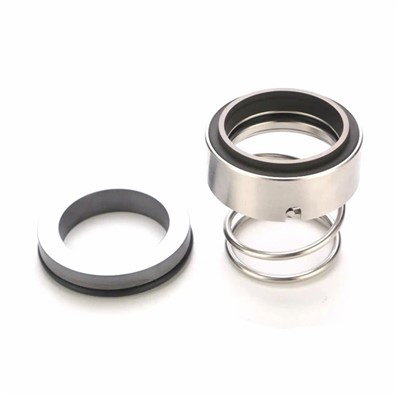
As a seasoned supplier of metal bellow seals, I've encountered numerous inquiries regarding the maximum pressure these seals can withstand. This topic is of paramount importance, as understanding the pressure limits is crucial for ensuring the optimal performance and safety of various industrial applications. In this blog post, I'll delve into the factors that influence the maximum pressure capacity of metal bellow seals and provide insights based on my years of experience in the industry.
Understanding Metal Bellow Seals
Metal bellow seals are mechanical seals that utilize a flexible metal bellows to provide a reliable sealing solution. These seals are commonly used in pumps, compressors, and other rotating equipment to prevent the leakage of fluids and gases. The metal bellows, typically made of stainless steel or other corrosion-resistant alloys, is designed to absorb axial, radial, and angular movements while maintaining a tight seal.
Factors Affecting the Maximum Pressure Capacity
Several factors influence the maximum pressure a metal bellow seal can withstand. Understanding these factors is essential for selecting the right seal for your application and ensuring its long-term performance.
Material Selection
The choice of material for the metal bellows is a critical factor in determining its pressure capacity. High-strength alloys such as stainless steel, Inconel, and Hastelloy are commonly used due to their excellent corrosion resistance and mechanical properties. These materials can withstand high pressures and temperatures, making them suitable for demanding applications.
Design and Geometry
The design and geometry of the metal bellows also play a significant role in its pressure capacity. The number of convolutions, the pitch between the convolutions, and the thickness of the bellows wall all affect its flexibility and strength. A well-designed bellows with the right number of convolutions and a proper pitch can withstand higher pressures without compromising its integrity.
Operating Conditions
The operating conditions, such as temperature, pressure, and fluid properties, can also impact the maximum pressure capacity of a metal bellow seal. High temperatures can reduce the strength of the metal bellows, while corrosive fluids can cause damage to the seal. It's important to consider these factors when selecting a seal and ensure that it is compatible with the operating conditions.


Installation and Maintenance
Proper installation and maintenance are crucial for ensuring the optimal performance of a metal bellow seal. Incorrect installation can lead to misalignment, which can cause premature failure of the seal. Regular maintenance, including inspection and replacement of worn components, can help extend the life of the seal and prevent costly downtime.
Examples of Metal Bellow Seals and Their Pressure Ratings
To illustrate the maximum pressure capacity of metal bellow seals, let's take a look at some examples of our products:
- MOR MFL95N metal bellows seal: This seal is designed for high-pressure applications and can withstand pressures up to 200 bar. It features a robust design and is made of high-quality materials to ensure long-term reliability.
- MOR 609 bellows shaft seal: This seal is suitable for high-temperature applications and can withstand pressures up to 150 bar. It is made of a special alloy that can resist corrosion and high temperatures, making it ideal for use in harsh environments.
- MOR MFLWT 80 rotating mechanical seal: This seal is designed for rotating equipment and can withstand pressures up to 120 bar. It features a compact design and is easy to install, making it a popular choice for many industrial applications.
Determining the Maximum Pressure for Your Application
When determining the maximum pressure a metal bellow seal can withstand for your specific application, it's important to consider the following steps:
Evaluate the Operating Conditions
Start by evaluating the operating conditions, including the pressure, temperature, and fluid properties. This will help you select a seal that is compatible with the environment and can withstand the required pressure.
Consult with a Seal Expert
If you're unsure about the maximum pressure capacity of a metal bellow seal for your application, it's recommended to consult with a seal expert. They can provide you with valuable insights and recommendations based on their experience and expertise.
Conduct Testing
In some cases, it may be necessary to conduct testing to determine the maximum pressure capacity of a metal bellow seal. This can involve subjecting the seal to various pressures and monitoring its performance to ensure it meets the required specifications.
Conclusion
The maximum pressure a metal bellow seal can withstand depends on several factors, including material selection, design and geometry, operating conditions, and installation and maintenance. By understanding these factors and selecting the right seal for your application, you can ensure the optimal performance and safety of your equipment.
If you're in the market for a metal bellow seal and need assistance in selecting the right product for your application, please don't hesitate to contact us. Our team of experts is available to provide you with personalized recommendations and support. We look forward to working with you to meet your sealing needs.
References
- "Mechanical Seals Handbook" by John O. Gagliardi
- "Sealing Technology Handbook" by John P. Blair
- "Industrial Seals and Their Applications" by Robert W. Miller