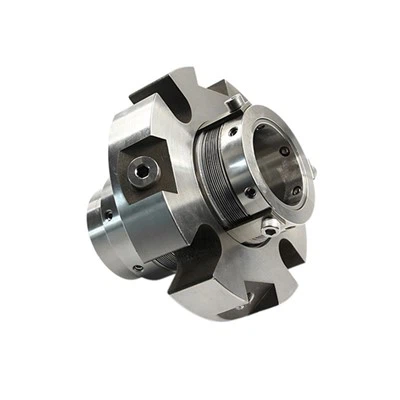
Hey there! As a supplier of metal bellow seals, I've seen firsthand how crucial these components are in vacuum applications. Vacuum systems are used in a wide range of industries, from semiconductor manufacturing to aerospace, and the reliability of metal bellow seals can make or break the performance of these systems. In this blog post, I'm gonna share some tips on how to ensure the reliability of metal bellow seals in vacuum applications.
Understanding the Basics of Metal Bellow Seals in Vacuum Applications
Before we dive into the tips, let's quickly go over what metal bellow seals are and why they're important in vacuum applications. Metal bellow seals are mechanical seals that use a flexible metal bellows to provide a seal between two components. The bellows can expand and contract to accommodate movement and misalignment, making them ideal for use in applications where there's a lot of vibration or thermal expansion.
In vacuum applications, metal bellow seals are used to prevent the leakage of gases or fluids from the system. A leak in a vacuum system can have serious consequences, including reduced performance, contamination, and even system failure. That's why it's so important to choose the right metal bellow seal for your application and to ensure that it's installed and maintained correctly.
Choosing the Right Metal Bellow Seal
The first step in ensuring the reliability of metal bellow seals in vacuum applications is to choose the right seal for your specific needs. There are several factors to consider when selecting a metal bellow seal, including:
- Material: The material of the metal bellow seal is one of the most important factors to consider. Different materials have different properties, such as corrosion resistance, temperature resistance, and flexibility. For vacuum applications, it's important to choose a material that's compatible with the gases or fluids in the system and that can withstand the operating temperature and pressure.
- Size and Design: The size and design of the metal bellow seal are also important factors to consider. The seal should be the right size for the application and should be designed to provide a tight seal. It's also important to choose a design that can accommodate any movement or misalignment in the system.
- Pressure and Temperature Rating: The pressure and temperature rating of the metal bellow seal are important factors to consider. The seal should be rated for the maximum pressure and temperature that it will be exposed to in the application.
At our company, we offer a wide range of metal bellow seals for vacuum applications, including the MOR X200-45 Dual Bellows Mechanical Seal with Double Shaft Seal Parts, the MOR MFL95N metal bellows seal, and the MOR 604 metal face seals. These seals are made from high-quality materials and are designed to provide reliable performance in a variety of vacuum applications.
Proper Installation and Maintenance
Once you've chosen the right metal bellow seal for your application, it's important to install and maintain it correctly. Improper installation or maintenance can lead to leaks, reduced performance, and even system failure. Here are some tips on how to install and maintain metal bellow seals in vacuum applications:
- Follow the Manufacturer's Instructions: The manufacturer's instructions are the best source of information on how to install and maintain the metal bellow seal. Make sure to read and follow the instructions carefully to ensure that the seal is installed correctly and that it's maintained properly.
- Clean the Sealing Surfaces: Before installing the metal bellow seal, it's important to clean the sealing surfaces thoroughly. Any dirt, debris, or contaminants on the sealing surfaces can prevent the seal from forming a tight seal and can lead to leaks.
- Use the Right Tools: When installing the metal bellow seal, it's important to use the right tools. Using the wrong tools can damage the seal and can lead to leaks. Make sure to use the tools recommended by the manufacturer.
- Inspect the Seal Regularly: It's important to inspect the metal bellow seal regularly to ensure that it's in good condition. Look for signs of wear, damage, or leaks. If you notice any problems, replace the seal immediately.
- Lubricate the Seal: Lubricating the metal bellow seal can help to reduce friction and wear and can extend the life of the seal. Make sure to use a lubricant that's compatible with the seal material and that's recommended by the manufacturer.
Testing the Metal Bellow Seal
After installing the metal bellow seal, it's important to test it to ensure that it's working properly. There are several methods for testing metal bellow seals in vacuum applications, including:
- Helium Leak Testing: Helium leak testing is a common method for testing the integrity of metal bellow seals in vacuum applications. This method involves using a helium mass spectrometer to detect any leaks in the system. Helium is a very small molecule that can easily penetrate small leaks, making it an ideal gas for leak testing.
- Pressure Testing: Pressure testing is another method for testing the integrity of metal bellow seals in vacuum applications. This method involves applying a pressure to the system and monitoring the pressure to see if it drops. If the pressure drops, it's a sign that there's a leak in the system.
- Visual Inspection: Visual inspection is a simple but effective method for testing the integrity of metal bellow seals. This method involves inspecting the seal for any signs of wear, damage, or leaks. If you notice any problems, replace the seal immediately.
Conclusion
Ensuring the reliability of metal bellow seals in vacuum applications is crucial for the performance and safety of your system. By choosing the right metal bellow seal, installing and maintaining it correctly, and testing it regularly, you can help to prevent leaks, reduce downtime, and extend the life of your system.


If you're looking for high-quality metal bellow seals for your vacuum application, look no further than our company. We offer a wide range of metal bellow seals, including the MOR X200-45 Dual Bellows Mechanical Seal with Double Shaft Seal Parts, the MOR MFL95N metal bellows seal, and the MOR 604 metal face seals. Our seals are made from high-quality materials and are designed to provide reliable performance in a variety of vacuum applications.
If you have any questions or if you'd like to learn more about our metal bellow seals, please don't hesitate to contact us. We'd be happy to help you choose the right seal for your application and to provide you with any technical support or advice that you may need. Let's work together to ensure the reliability of your vacuum system!
References
- ASME Boiler and Pressure Vessel Code
- API 682 - Seal Systems for Centrifugal and Rotary Pumps
- ISO 21049 - Mechanical Seals for Pumps