


Hey there! As a supplier of double mechanical seals, I know how crucial it is to cut down on energy consumption. Not only does it save you some serious cash, but it's also great for the environment. So, let's dig into some practical ways to reduce the energy consumption of a double mechanical seal.
Understanding Double Mechanical Seals
First off, let's quickly go over what a double mechanical seal is. It's a type of seal used in pumps, mixers, and other equipment to prevent the leakage of fluids. It consists of two seals arranged in series, with a barrier fluid in between. This setup provides an extra layer of protection compared to single mechanical seals.
Now, energy consumption in double mechanical seals mainly comes from friction and heat generation. When the seal faces rub against each other, it creates friction, which requires energy to overcome. The heat generated from this friction can also cause the fluid viscosity to change, further increasing the energy needed to operate the equipment.
Proper Installation and Alignment
One of the most important steps in reducing energy consumption is proper installation and alignment. If the double mechanical seal isn't installed correctly, it can lead to uneven wear on the seal faces, increased friction, and higher energy usage.
Make sure to follow the manufacturer's installation instructions carefully. Check the alignment of the shaft and the housing to ensure that the seal faces are parallel and perpendicular. Any misalignment can cause the seal faces to tilt, resulting in increased contact pressure and friction.
For example, if the shaft is not centered properly, the seal faces may rub against each other unevenly, creating hot spots and increasing energy consumption. So, take the time to measure and adjust the alignment before installing the seal.
Selecting the Right Seal Materials
The choice of seal materials can also have a big impact on energy consumption. Different materials have different coefficients of friction, which affect the amount of energy needed to operate the seal.
For high - energy applications, consider using low - friction materials such as carbon - graphite or silicon carbide. These materials have a smooth surface finish and can reduce friction between the seal faces.
Carbon - graphite is a popular choice because it has good self - lubricating properties. It can form a thin film on the seal faces, reducing friction and wear. Silicon carbide, on the other hand, is extremely hard and wear - resistant, making it suitable for applications with high pressures and speeds.
When selecting the seal materials, also consider the compatibility with the process fluid. Using a material that is not compatible with the fluid can cause swelling, corrosion, or chemical reactions, which can increase friction and energy consumption.
Optimizing the Barrier Fluid System
The barrier fluid system in a double mechanical seal plays a crucial role in reducing energy consumption. The barrier fluid helps to lubricate the seal faces, remove heat, and prevent the leakage of the process fluid.
Maintain the proper pressure and flow rate of the barrier fluid. A higher flow rate can help to carry away heat more effectively, reducing the temperature of the seal faces and decreasing friction. However, too high a flow rate can also increase energy consumption due to the additional pumping power required.
Regularly monitor the quality of the barrier fluid. Contaminants in the barrier fluid can cause abrasion on the seal faces, increasing friction and energy usage. Replace the barrier fluid as needed to keep it clean and free of debris.
For instance, if the barrier fluid contains particles or dirt, it can act like sandpaper on the seal faces, wearing them down and increasing energy consumption. So, invest in a good filtration system for the barrier fluid to keep it clean.
Regular Maintenance and Inspection
Regular maintenance and inspection are essential for reducing the energy consumption of a double mechanical seal. Over time, the seal faces can wear down, the springs can lose their tension, and the O - rings can deteriorate.
Inspect the seal faces for signs of wear, such as scratches, grooves, or discoloration. If the wear is excessive, replace the seal faces promptly. Check the springs to ensure that they are still providing the correct amount of pressure. A weak spring can cause the seal faces to separate, leading to leakage and increased energy consumption.
Also, inspect the O - rings for any signs of damage or aging. A damaged O - ring can allow the process fluid or the barrier fluid to leak, which can affect the performance of the seal and increase energy usage.
By performing regular maintenance and inspections, you can catch any problems early and take corrective action before they lead to significant energy losses.
Upgrading to Energy - Efficient Seals
If you're still using older double mechanical seals, it might be worth considering an upgrade to more energy - efficient models. Newer seals are often designed with advanced technologies and materials that can reduce friction and energy consumption.
For example, the MOR CSSN cartridge type seal is a great option. It's designed for easy installation and has a low - friction design that can help to reduce energy usage. The cartridge design also ensures proper alignment, which further improves the seal's performance and energy efficiency.
Another option is the MOR 8BIVORS single mechanical seal. While it's a single mechanical seal, it can be used in some applications where a double mechanical seal is overkill. It offers good performance and energy savings compared to traditional seals.
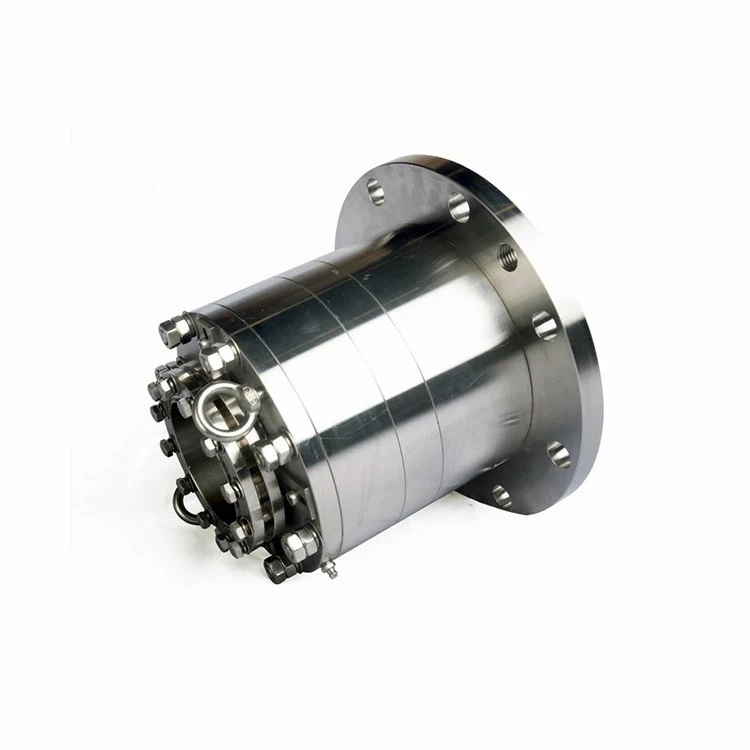
If you're working with reactors, the MOR CK267 double mechanical seal for reactor is specifically designed to meet the high - energy requirements of reactor applications. It has a robust design and low - friction materials that can help to reduce energy consumption.

Monitoring and Control
Implementing a monitoring and control system can also help to reduce energy consumption. By continuously monitoring the performance of the double mechanical seal, you can detect any changes in energy usage and take corrective action before it becomes a major problem.
Install sensors to measure parameters such as temperature, pressure, and vibration. These sensors can provide real - time data on the condition of the seal. If the temperature of the seal faces starts to rise, it could indicate increased friction and energy consumption. You can then adjust the operating conditions or perform maintenance to address the issue.
Use a control system to adjust the flow rate and pressure of the barrier fluid based on the operating conditions. For example, if the equipment is running at a lower speed, you can reduce the flow rate of the barrier fluid to save energy.
Conclusion
Reducing the energy consumption of a double mechanical seal is a multi - faceted approach that involves proper installation, material selection, maintenance, and monitoring. By following these tips, you can not only save energy and money but also extend the lifespan of your double mechanical seals.
If you're interested in learning more about our double mechanical seals or have any questions about reducing energy consumption, feel free to reach out. We're here to help you find the best solutions for your specific applications. Whether you need a high - performance seal for a demanding industrial process or a cost - effective option for a smaller operation, we've got you covered. Let's work together to make your equipment more energy - efficient and sustainable.
References
- "Mechanical Seals Handbook" by John Dickson
- "Sealing Technology" by the Fluid Sealing Association


