


Hey there! As a supplier of API mechanical seals, I've seen firsthand the importance of reliability in these crucial components. API mechanical seals are used in a wide range of industries, from oil and gas to chemical processing, and their reliability can have a significant impact on the efficiency and safety of operations. In this blog post, I'm going to share some tips on how to improve the reliability of an API mechanical seal.
1. Choose the Right Seal for the Application
One of the most important steps in improving the reliability of an API mechanical seal is choosing the right seal for the application. There are many different types of API mechanical seals available, each designed for specific operating conditions and requirements. When selecting a seal, it's important to consider factors such as the type of fluid being sealed, the pressure and temperature of the system, the speed of the shaft, and the type of equipment being used.
For example, if you're sealing a high-pressure, high-temperature fluid, you might want to consider a MOR 102 Metal Bellow Seal. This type of seal is designed to handle extreme conditions and provides excellent reliability and performance. On the other hand, if you're sealing a low-pressure, low-temperature fluid, a less expensive and simpler seal might be sufficient.
2. Proper Installation
Proper installation is crucial for the reliability of an API mechanical seal. Even the highest-quality seal can fail if it's not installed correctly. When installing a seal, it's important to follow the manufacturer's instructions carefully and use the right tools and techniques.
Here are some key installation tips:

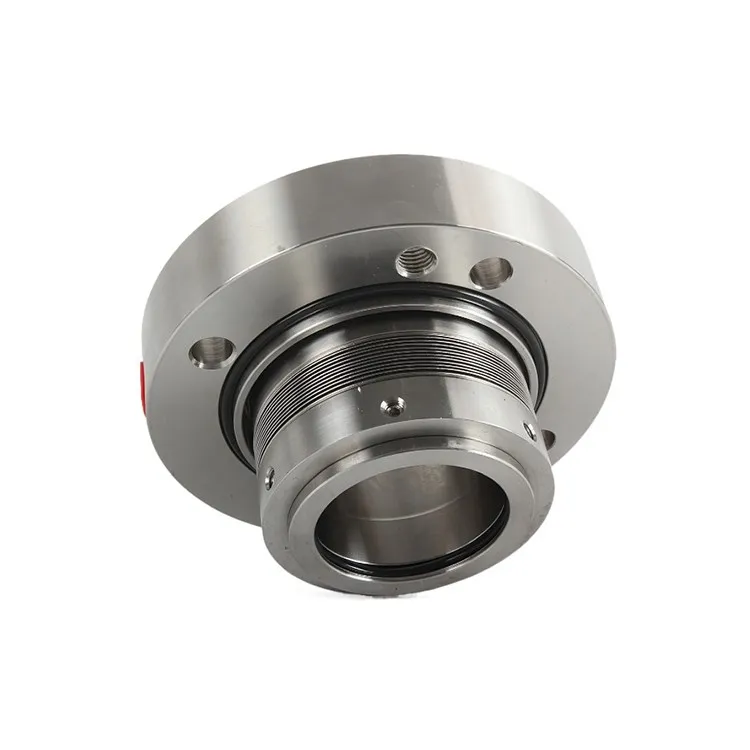
- Clean the Shaft and Housing: Before installing the seal, make sure the shaft and housing are clean and free of any dirt, debris, or corrosion. This will help ensure a proper seal and prevent damage to the seal faces.
- Use the Right Lubricant: Applying the right lubricant to the seal faces during installation can help reduce friction and wear, and improve the seal's performance. Make sure to use a lubricant that is compatible with the fluid being sealed and the seal materials.
- Align the Shaft and Housing: Proper alignment of the shaft and housing is essential for the reliable operation of the seal. Misalignment can cause excessive wear on the seal faces, leading to premature failure. Use alignment tools to ensure that the shaft and housing are properly aligned.
- Tighten the Bolts to the Correct Torque: Over-tightening or under-tightening the bolts can cause the seal to leak or fail. Make sure to tighten the bolts to the manufacturer's recommended torque specifications.
3. Regular Maintenance and Inspection
Regular maintenance and inspection are essential for ensuring the long-term reliability of an API mechanical seal. By performing routine maintenance and inspections, you can identify and address potential problems before they lead to seal failure.
Here are some maintenance and inspection tips:
- Monitor the Seal Performance: Keep an eye on the seal's performance by monitoring factors such as leakage, temperature, and vibration. Any changes in these parameters could indicate a problem with the seal.
- Clean and Lubricate the Seal: Regularly clean and lubricate the seal to prevent the buildup of dirt, debris, and corrosion. This will help ensure a proper seal and extend the life of the seal.
- Replace Worn or Damaged Parts: Over time, the seal faces and other components of the seal may wear out or become damaged. Replace any worn or damaged parts as soon as possible to prevent further damage to the seal and the equipment.
- Conduct Regular Inspections: Schedule regular inspections of the seal and the equipment to check for any signs of wear, damage, or leakage. Inspections should be conducted by a qualified technician using the right tools and techniques.
4. Use High-Quality Seal Components
Using high-quality seal components is another important factor in improving the reliability of an API mechanical seal. Low-quality components can wear out quickly, leading to premature seal failure. When selecting seal components, make sure to choose products from reputable manufacturers that meet or exceed industry standards.
For example, if you're looking for a reliable metal bellow seal, you might want to consider the MOR LBG Cartridge Metal Bellow Seal. This seal is made from high-quality materials and is designed to provide excellent performance and reliability in a wide range of applications.
5. Train Your Staff
Proper training of your staff is essential for the reliable operation of API mechanical seals. Make sure that your maintenance and operating personnel are trained on the proper installation, maintenance, and inspection procedures for the seals. This will help ensure that the seals are installed and maintained correctly, and that any potential problems are identified and addressed promptly.
6. Consider Upgrading Your Seals
If you're experiencing frequent seal failures or reliability issues, it might be worth considering upgrading your seals. Newer seal technologies and designs can offer improved performance, reliability, and durability compared to older seals.
For example, if you're currently using a traditional mechanical seal, you might want to consider upgrading to a Equivalent To MFL85N Metal Mechanical Seal. This type of seal offers several advantages over traditional seals, including better resistance to wear and corrosion, improved sealing performance, and longer service life.
Conclusion
Improving the reliability of an API mechanical seal is essential for the efficient and safe operation of your equipment. By choosing the right seal for the application, installing it correctly, performing regular maintenance and inspection, using high-quality seal components, training your staff, and considering upgrading your seals, you can significantly reduce the risk of seal failure and improve the overall reliability of your system.
If you're looking for high-quality API mechanical seals or need help with seal selection, installation, or maintenance, don't hesitate to contact us. We're here to help you find the right solutions for your specific needs and ensure the reliable operation of your equipment.
References
- API 682 - Pumps - Shaft Sealing Systems for Centrifugal and Rotary Pumps
- Mechanical Seals Handbook - John Adamson


