


Measuring a double shaft seal is a critical process that ensures the proper functioning and longevity of the equipment in which it is installed. As a double shaft seal supplier, I understand the importance of accurate measurement and the impact it has on the performance of these seals. In this blog post, I will share some insights on how to measure a double shaft seal effectively.
Understanding the Basics of Double Shaft Seals
Before diving into the measurement process, it's essential to have a basic understanding of double shaft seals. A double shaft seal consists of two seals arranged in tandem, with a barrier fluid between them. This configuration provides an extra layer of protection against leakage, making it suitable for applications where containment of hazardous or valuable fluids is crucial.

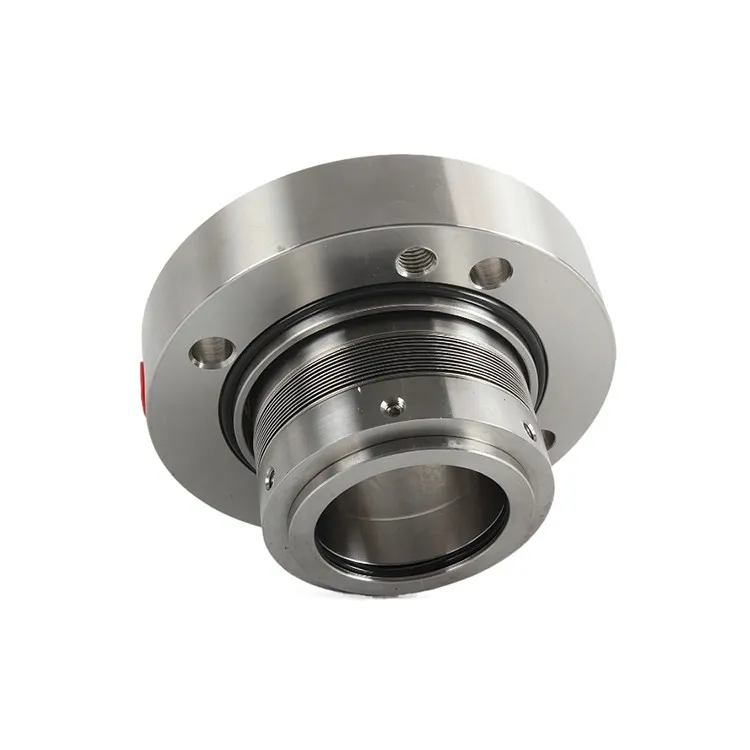
Double shaft seals are commonly used in pumps, mixers, and other rotating equipment. They are designed to prevent the escape of process fluid and the ingress of contaminants, ensuring the reliability and efficiency of the equipment.
Tools Required for Measurement
To measure a double shaft seal accurately, you will need the following tools:
- Calipers: A good set of calipers is essential for measuring the dimensions of the seal components. Digital calipers are preferred as they provide more accurate readings.
- Micrometers: Micrometers are used for measuring small dimensions with high precision. They are particularly useful for measuring the thickness of seal faces and other critical dimensions.
- Depth Gauges: Depth gauges are used to measure the depth of grooves and other recesses in the seal housing.
- Surface Roughness Tester: A surface roughness tester is used to measure the surface finish of the seal faces. This is important as the surface finish can affect the sealing performance.
- Dial Indicators: Dial indicators are used to measure the runout of the shaft and the concentricity of the seal housing. This information is crucial for ensuring proper alignment of the seal.
Measuring the Seal Dimensions
The first step in measuring a double shaft seal is to measure the dimensions of the seal components. This includes the outer diameter, inner diameter, width, and thickness of the seal faces. Here's how you can measure these dimensions:
- Outer Diameter: Use the calipers to measure the outer diameter of the seal. Make sure to measure at multiple points around the circumference to ensure accuracy.
- Inner Diameter: Measure the inner diameter of the seal using the calipers. Again, measure at multiple points to account for any variations.
- Width: Measure the width of the seal using the calipers. This measurement is important for ensuring proper fit in the seal housing.
- Thickness of Seal Faces: Use the micrometers to measure the thickness of the seal faces. This measurement is critical as it affects the sealing performance.
Measuring the Seal Housing
In addition to measuring the seal components, it's also important to measure the seal housing. This includes the bore diameter, depth of the housing, and the surface finish of the housing. Here's how you can measure these dimensions:
- Bore Diameter: Use the calipers to measure the bore diameter of the seal housing. Measure at multiple points along the length of the bore to ensure accuracy.
- Depth of the Housing: Use the depth gauge to measure the depth of the seal housing. This measurement is important for ensuring proper installation of the seal.
- Surface Finish of the Housing: Use the surface roughness tester to measure the surface finish of the seal housing. A smooth surface finish is essential for proper sealing.
Measuring the Shaft
The shaft on which the double shaft seal is installed also needs to be measured. This includes the shaft diameter, runout, and surface finish. Here's how you can measure these dimensions:
- Shaft Diameter: Use the calipers to measure the shaft diameter. Measure at multiple points along the length of the shaft to ensure accuracy.
- Runout: Use the dial indicator to measure the runout of the shaft. This measurement is important for ensuring proper alignment of the seal.
- Surface Finish of the Shaft: Use the surface roughness tester to measure the surface finish of the shaft. A smooth surface finish is essential for proper sealing.
Checking the Seal Alignment
Proper alignment of the double shaft seal is crucial for its performance. Misalignment can cause excessive wear, leakage, and premature failure of the seal. Here's how you can check the seal alignment:
- Concentricity: Use the dial indicator to measure the concentricity of the seal housing and the shaft. The concentricity should be within the specified tolerance.
- Parallelism: Check the parallelism of the seal faces using a straightedge. The seal faces should be parallel to each other within the specified tolerance.
Measuring the Seal Clearance
The clearance between the seal faces and the shaft is an important parameter that affects the sealing performance. Too much clearance can cause leakage, while too little clearance can cause excessive wear. Here's how you can measure the seal clearance:
- Radial Clearance: Use the calipers to measure the radial clearance between the seal faces and the shaft. This measurement should be within the specified tolerance.
- Axial Clearance: Use the depth gauge to measure the axial clearance between the seal faces. This measurement should also be within the specified tolerance.
Using the Measurement Results
Once you have measured all the relevant dimensions, it's important to use the measurement results to ensure the proper installation and performance of the double shaft seal. Here are some tips on how to use the measurement results:
- Select the Right Seal: Based on the measurement results, select the right double shaft seal that matches the dimensions and requirements of your application. You can explore our range of high-quality double shaft seals such as the MOR MFLWT 80 rotating mechanical seal, MOR LBG Cartridge Metal Bellow Seal, and MOR 604 metal face seals.
- Check for Compatibility: Make sure that the seal is compatible with the process fluid, temperature, pressure, and other operating conditions of your application.
- Install the Seal Properly: Follow the manufacturer's instructions for installing the double shaft seal. Make sure to use the correct tools and techniques to ensure proper alignment and installation.
- Monitor the Seal Performance: After installing the seal, monitor its performance regularly. Check for any signs of leakage, excessive wear, or other problems. If you notice any issues, take appropriate action immediately.
Conclusion
Measuring a double shaft seal is a complex process that requires careful attention to detail. By following the steps outlined in this blog post and using the right tools, you can ensure accurate measurement and proper installation of the double shaft seal. Remember, the performance of the seal depends on the accuracy of the measurement and the quality of the installation.
If you have any questions or need further assistance with measuring or selecting a double shaft seal, please feel free to contact us. We are a leading supplier of double shaft seals and have extensive experience in providing solutions for a wide range of applications. Our team of experts will be happy to help you find the right seal for your needs and ensure its proper installation and performance.
References
- ASME B73.1 - Specification for Horizontal End Suction Centrifugal Pumps for Chemical Process
- API 682 - Pumps - Shaft Sealing Systems for Centrifugal and Rotary Pumps
- ISO 3069 - Rotary shaft lip type seals - Vocabulary


