


Hey there! As a carbon ring seal supplier, I've seen my fair share of carbon ring seal failures. It can be a real headache for businesses, leading to leaks, decreased efficiency, and costly downtime. So, I thought I'd share some insights into what factors can cause a carbon ring seal to fail.
1. Poor Installation
One of the most common reasons for carbon ring seal failure is poor installation. If the seal isn't installed correctly, it won't be able to perform its job effectively. This can include issues like improper alignment, incorrect tightening of bolts, or using the wrong tools during installation.
For example, if the carbon ring isn't centered properly within the housing, it can cause uneven wear and tear. This uneven wear will eventually lead to gaps between the seal and the shaft, allowing fluids or gases to leak. Always make sure to follow the manufacturer's installation instructions carefully. Check for proper alignment using alignment tools to ensure the seal is perfectly centered. And when tightening the bolts, use a torque wrench to apply the correct amount of force.
2. Incorrect Material Selection
Choosing the wrong material for your carbon ring seal can also spell disaster. Carbon ring seals come in various materials, each with its own set of properties. These properties determine the seal's performance in different environments.
If you're operating in a high - temperature environment and you choose a carbon ring material that can't withstand those temperatures, it will start to degrade. The material might become brittle, crack, or lose its shape. This degradation can cause significant leaks and equipment failure. You need to select a material that can handle the specific temperature, pressure, and chemical conditions of your application. For instance, if you're dealing with corrosive chemicals, you should opt for a carbon material that has good chemical resistance.
3. Wear and Tear
Over time, carbon ring seals are subject to wear and tear. Constant friction between the seal and the shaft is a major cause of this wear. If the pressure within the system is too high, it can also accelerate the wear process.
When the carbon ring wears down, its ability to create a tight seal diminishes. As it gets thinner, there will be more clearance between the seal and the shaft, leading to leaks. Regular maintenance and inspection are crucial to catch wear and tear early. You can measure the thickness of the carbon ring at regular intervals. If it's approaching the minimum allowable thickness, it's time to replace the seal.
4. Contamination
Contamination can have a big impact on the performance of carbon ring seals. Particles like dirt, dust, or debris can get into the seal and cause damage. These contaminants can act like abrasives, wearing down the carbon surface much faster than normal.
In addition, chemical contaminants can react with the carbon material, causing corrosion or degradation. This is especially true in industrial settings where there are often harsh chemicals in the air or process fluids. Installing proper filtration systems can help prevent contaminants from reaching the seal. And if your system is exposed to chemicals, make sure to clean the seal regularly to remove any chemical residues.
5. Thermal Cycling
Thermal cycling is another factor that can cause carbon ring seal failure. Thermal cycling occurs when the temperature of the system fluctuates rapidly. When the temperature rises, the carbon ring expands, and when it drops, it contracts.
These repeated expansions and contractions can cause stress on the carbon material. Over time, this stress can lead to cracks in the seal. Once cracks form, it becomes easier for fluids or gases to leak through. To mitigate the effects of thermal cycling, you can use materials with a lower coefficient of thermal expansion. Also, try to minimize rapid temperature changes in your system.
6. Misuse of Equipment
Sometimes, carbon ring seal failures are due to the misuse of equipment. This can include things like operating the equipment outside of its recommended parameters. For example, running a compressor at a higher pressure or speed than it's designed for can put excessive stress on the carbon ring seal.
This kind of misuse can cause the seal to fail prematurely. It's important to train your operators properly and make sure they understand the operating limits of the equipment. Provide them with clear guidelines on how to operate the machinery safely and within the recommended parameters.
7. Inadequate Lubrication
Lubrication is crucial for the proper functioning of carbon ring seals. Without enough lubrication, the friction between the seal and the shaft will increase significantly. This increased friction can generate heat, which can lead to damage to the carbon material.
The carbon ring may start to overheat, warp, or even melt. You should use the appropriate lubricant for your application and make sure to maintain the correct lubrication level. Check the lubrication system regularly to ensure there are no leaks or blockages.
8. Vibration
Excessive vibration can also cause problems for carbon ring seals. Vibration can loosen the seal, cause it to shift out of position, or accelerate wear and tear. When the seal vibrates, it can't maintain a consistent contact with the shaft, leading to leaks.
To reduce vibration, you can use vibration - dampening mounts or isolators. Make sure the equipment is properly balanced and aligned to minimize vibration. Regularly check for any loose parts that could be contributing to the vibration.
Our Products and Solutions
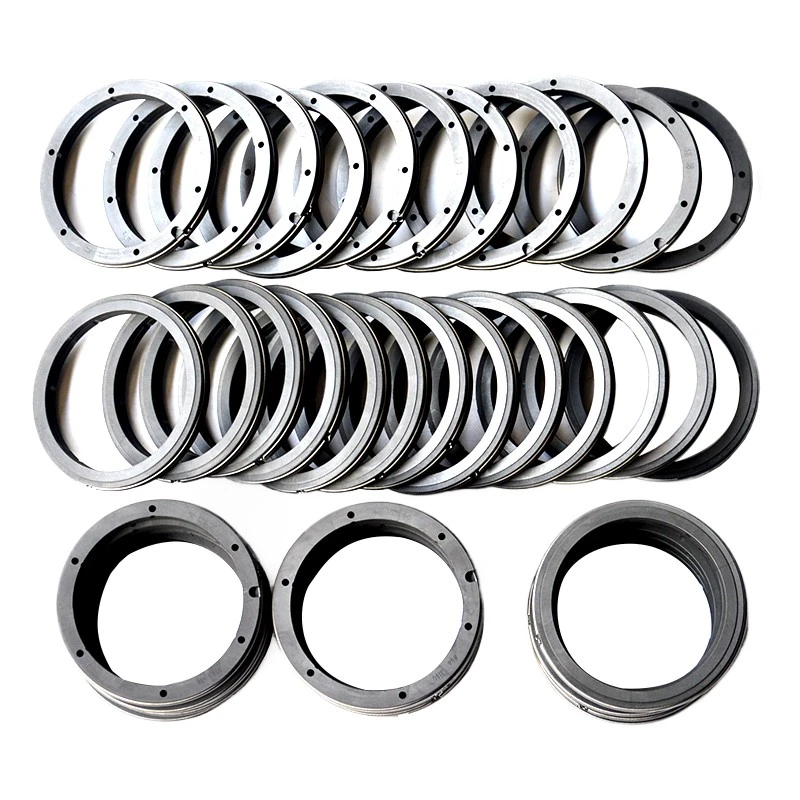
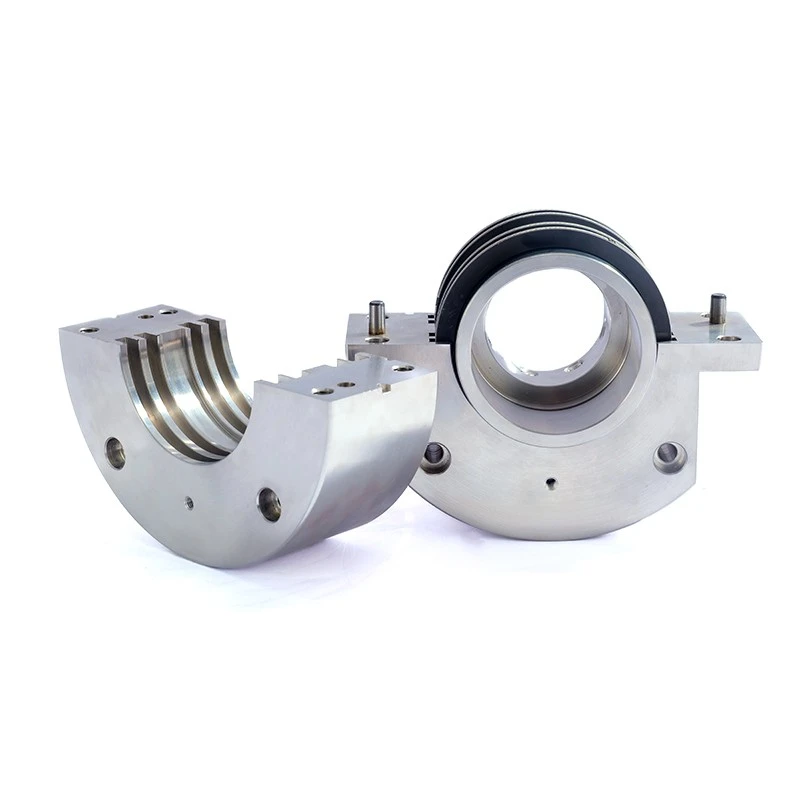
At our company, we offer a range of high - quality carbon ring seals to meet your needs. For instance, our Split Carbon Ring Seal with Isolation Gas is designed to provide excellent sealing performance in various applications. It's easy to install and can handle different operating conditions.
We also have the MOR CRS929 Carbon Ring Seal For Screw Compressor. This seal is specifically engineered for screw compressors and offers reliable sealing even in demanding environments.
Another great product is our MOR CRS813 High Pressure Carbon Material Seal. If you're dealing with high - pressure applications, this seal is a perfect choice. It's made from high - quality carbon materials that can withstand extreme pressures.
If you're facing carbon ring seal issues or are in the market for a new seal, don't hesitate to reach out. We're here to help you find the right solution for your specific application. Whether it's choosing the correct material, ensuring proper installation, or providing maintenance advice, our team of experts is ready to assist you.
References
- ASME Boiler and Pressure Vessel Code
- API (American Petroleum Institute) Standards
- Manufacturer's Installation and Maintenance Guides


